The ideas below run from LED lighting and rubber mats to a full glass-door build, and the deciding factor is how much structure you already have versus how much you are willing to add.
A shed that only needs rubber mats and equipment lands at one end; one that needs insulation, power, and climate control before the first deadlift lands at the other.
The 10×14 footprint with its 30 square feet for a treadmill is the size that keeps coming up as the practical middle.
[link-whisper-related-posts]1. LED Lights
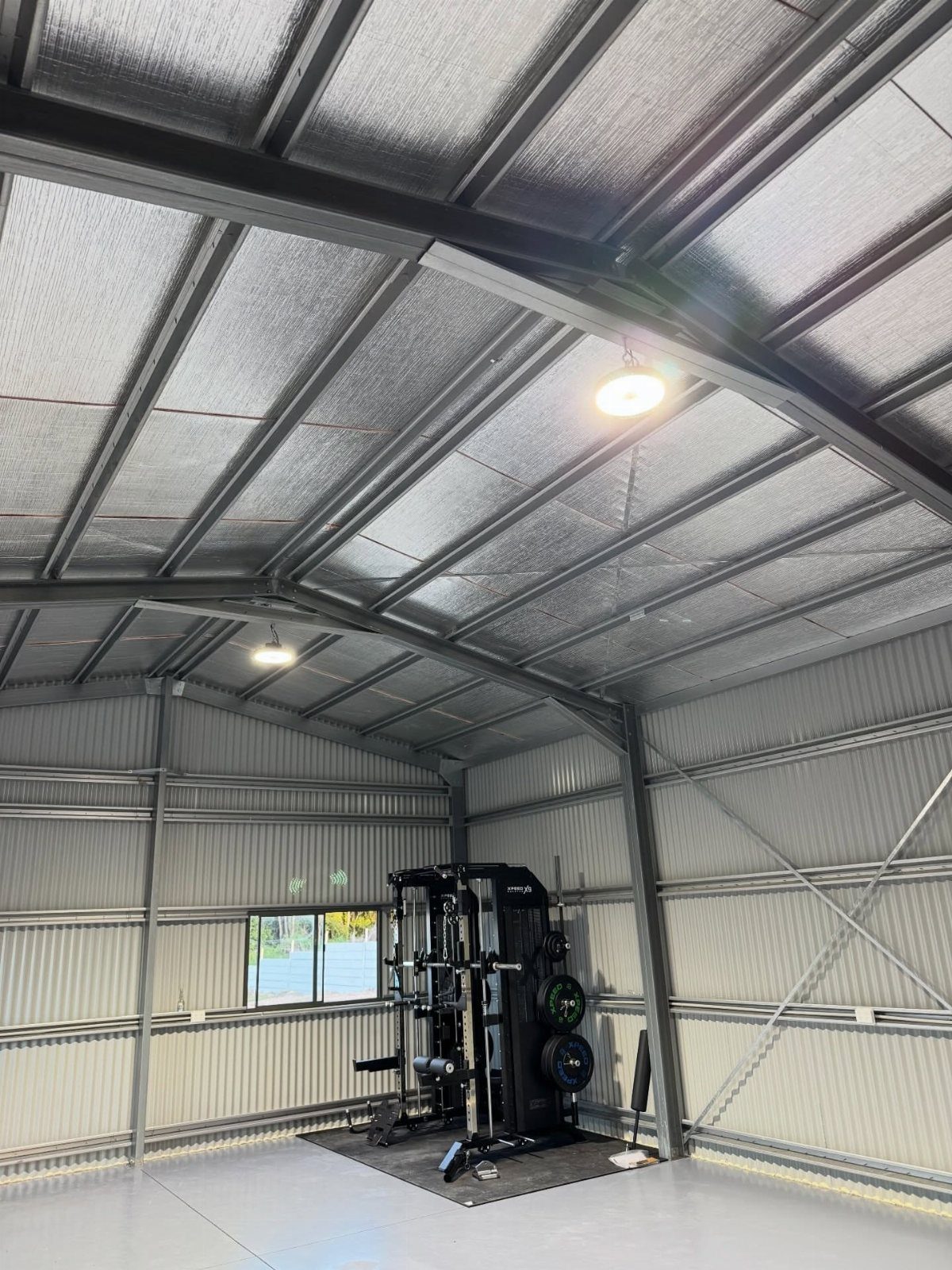
Round high-bay LEDs hung from ceiling beams throw light straight down onto the floor without the shadows that make a shed feel like a cave.
Battery-powered LED strips set on a perimeter ledge are another route; rechargeable cells keep the running cost low, and the pre-programmed shows add something to early-morning sessions when motivation lags.
Even coverage across the whole floor matters more than the fixture style, since dark corners force you to keep adjusting where you stand.
An electrician adding outlets and a breaker box is the permanent fix; a heavy-duty weatherproof extension cord works for a season but should not stay long-term.
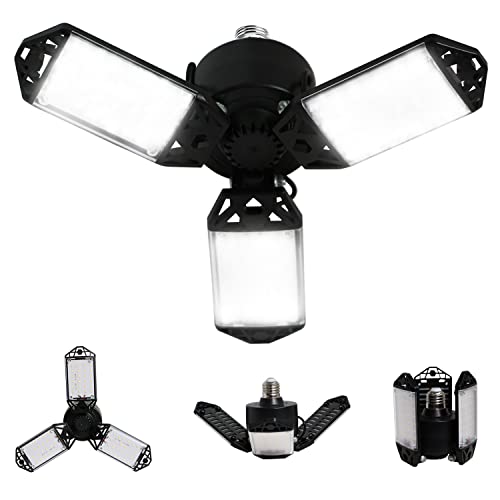
☀【Upgrade Garage Light -- 80W Super Bright】: MeiqiLS deformable led garage lights with 3 adjustable LED panels, high brightness 8000 lumen output in 6500K daylight, CRI80+. It features LED technology, really shine without dead ends.

Unbeatable Illumination: The 150W superior and powerful high bay light provides industry-leading lighting! It features commercial grade, 21750 lumens and a brightness of up to 145 lumens per watt, making this light the best choice for wide and clear illumination! And the high bay light is compatible with reflector(not included) provides 20% more brightness.

✅ 【Commercial-Grade Brightness】:This UFO led high bay lights 5000k light fixture has high quality and powerful SMD3030 LED chips, which provides 37500lm output, equivalent to 1000W HPS.
2. Insulate Walls and Ceiling
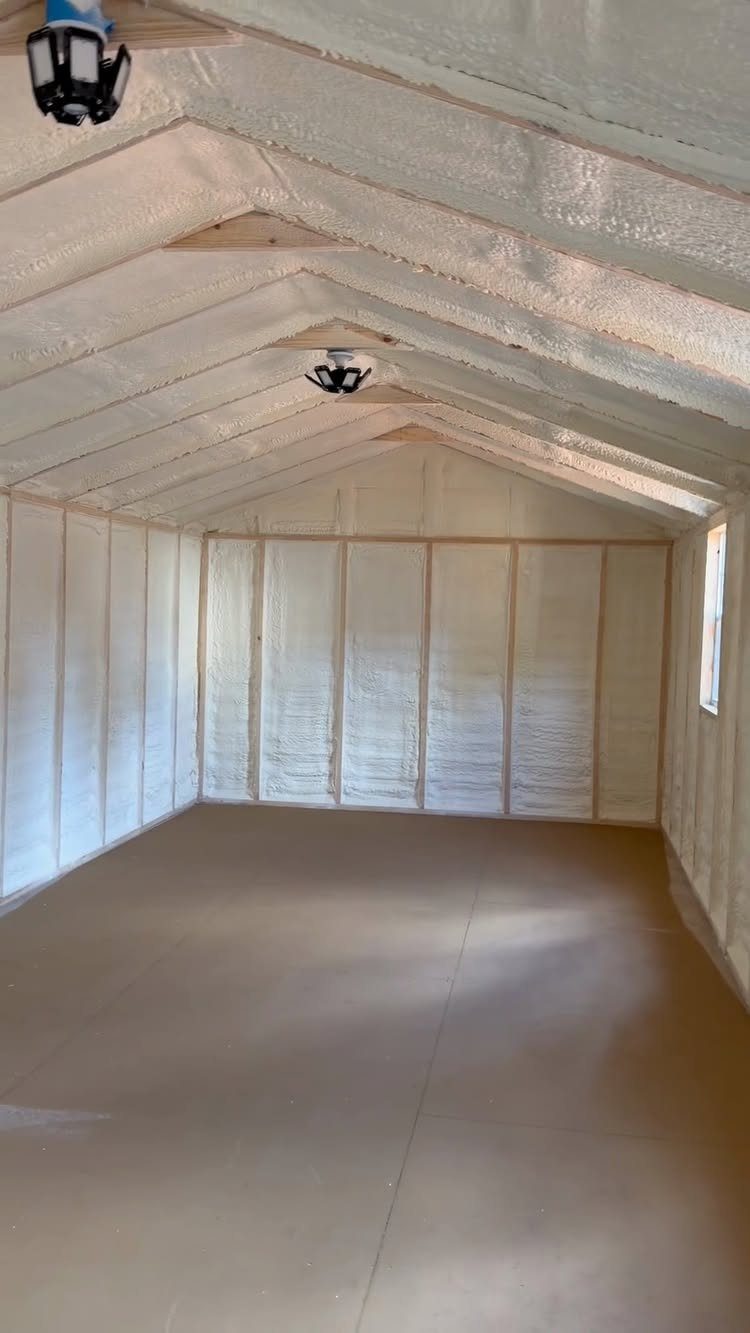
Shed gyms fail in shoulder seasons when walls sweat or fingers go numb on a bar. Spray foam between studs and across the roof deck builds a buffer that holds heat in January and blocks solar gain in July.
Ventilation pairs with it: a small fan, windows that open, or a gable vent keeps air moving so the space does not turn stale mid-workout. The combination matters more than either piece alone.
Insulation without airflow traps humidity; airflow without insulation just moves outdoor air around. Together they make the shed usable year-round, which is the point of building it in the first place.
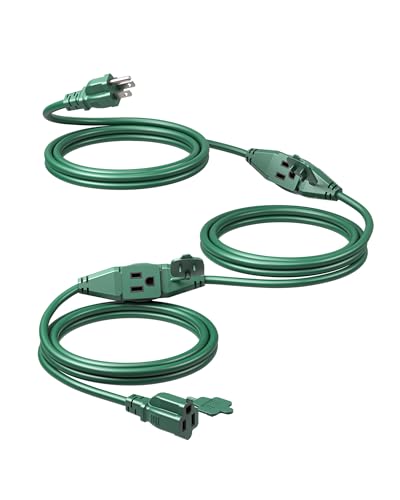
【 Evenly Spaced 3 Outlets 】 25 feet total length; evenly-spaced 8 feet apart from each plug; green extension cord with 3 spaced outlets helps use less cords to set up landscape lighting and Christmas decoration easily

【25-Foot -Length Design】: With a length of approximately 7.5 meters, it is specifically designed for short-distance outdoor power supply scenarios,ideal for patio string lights or temporary power access for garden drills. It not only avoids the problem of tangled and messy long cables, making storage more convenient, but also reduces safety hazards caused by redundant cables.
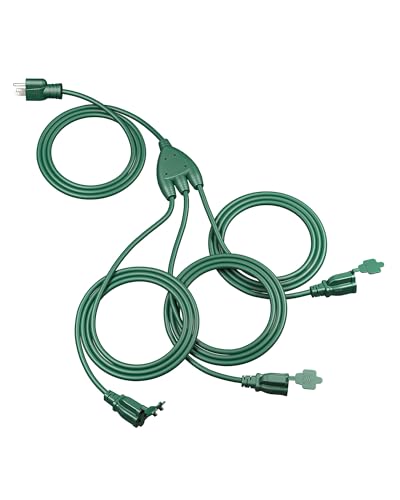
【 1 to 3 Cord Splitter 】 13Ft length (7’+6’+6’+6’); expands 1 wall outlet into 3 extended outlets (up to 13 feet each one); green 3-way power cord splitter helps use less cords to set up landscape lighting and Christmas decoration easily
3. Rubber Mats
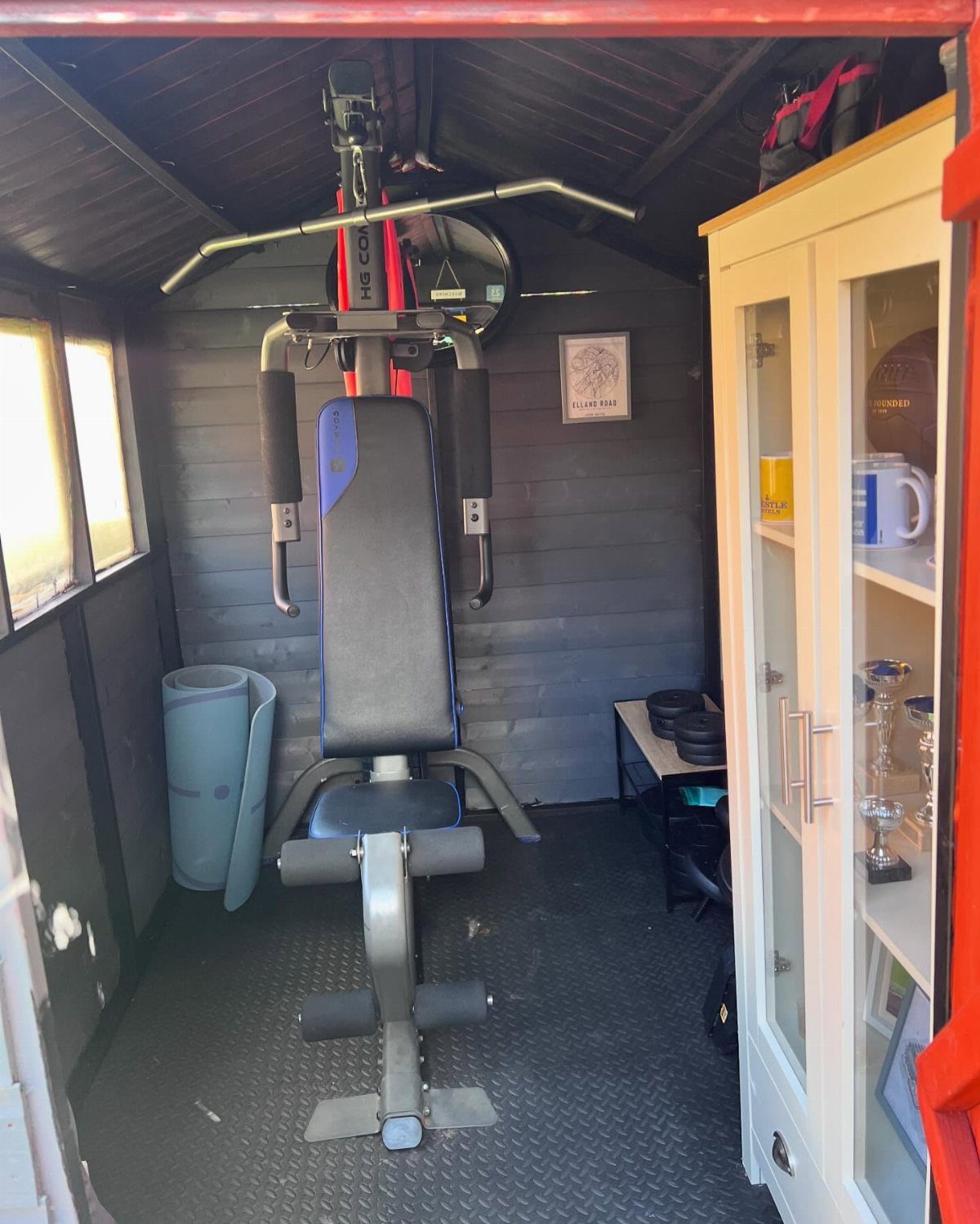
Concrete or plywood underfoot will chew up dropped plates and your joints along with them.
Rubber mats or thick stall boards from a farm supply store give the forgiving surface you need for deadlifts, plyometrics, or just stepping off a bench.
They also protect the shed floor from the weight and from sweat that would otherwise seep into wood or crack concrete over time.
The texture matters; a smooth surface gets slick, and a too-aggressive grip catches on shoe soles during lateral moves.
Lay them wall to wall if the budget stretches, or at least under the rack and any free-weight zone where drops happen.

CLASS A SURFACE-BURNING PERFORMANCE + HIGH R-VALUE: BEEST FullStop was tested to ASTM E84 and achieved a Flame Spread Index of 0 and Smoke Developed Index of 120, meeting Class A surface-burning criteria. Delivers strong thermal insulation performance with an R-Value of 8.24 at 2" thickness.

Use foam insulation sprayer to fill, air seal, and insulate stud wall cavities, rim joists, crawlspaces, attics and basements on homes and buildings

COMPLETE DIY SPRAY FOAM KIT: Includes 12 cans of high-density closed-cell spray foam, spray gun, adjustable nozzle, gun cleaner, disposable foam straws, protective gloves, safety goggles, and coverall suit. A convenient all-in-one solution for home repair, maintenance, renovation, and insulation projects.
4. Custom Workout Space Decor
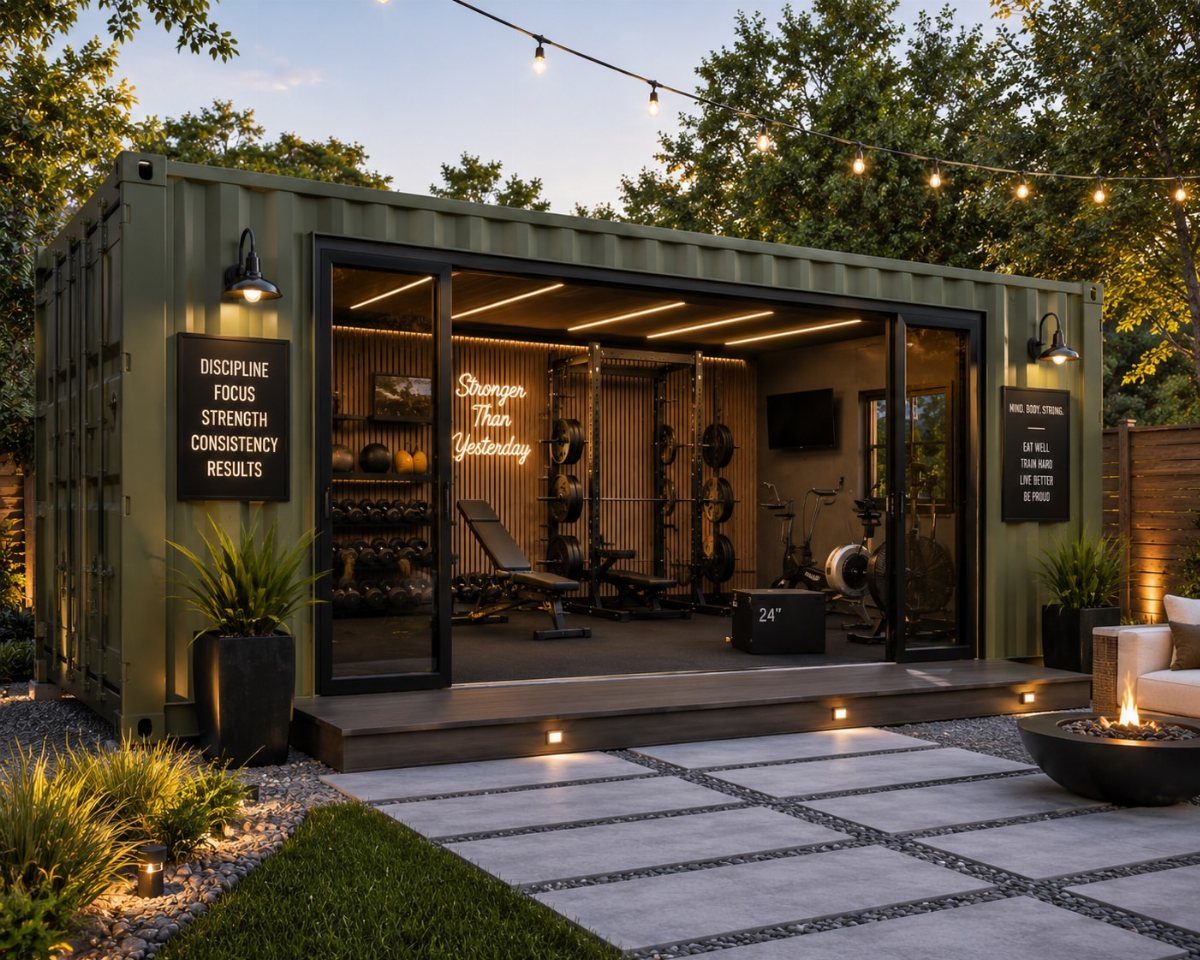
A shipping container or bare shed becomes a space you actually want to enter when you control the details yourself.
Set the temperature where you work best, run your own playlist without headphones, and hang whatever keeps you moving: a neon phrase, framed text, wood slats on the wall.
Paint comes first; a fresh coat in a light color makes the room feel larger and cleaner than raw plywood or metal.
A compact speaker and storage placed within arm’s reach of each station keep the session flowing. The decor is not extra; it is what turns a storage box into a room you choose over the couch.

Robust Build: 1/2" thickness provides impact resistance, sound absorption, and safeguards flooring from scratches, scrapes, abrasion, and everyday wear.
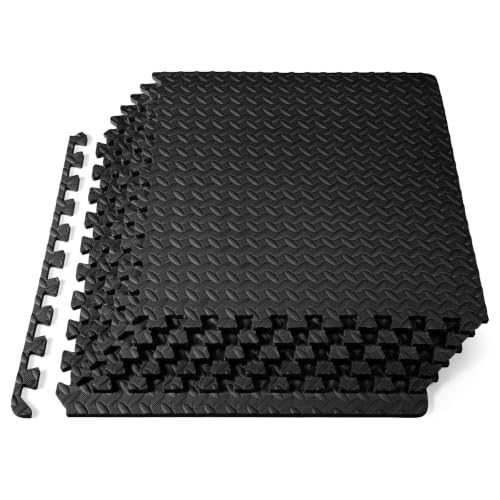
PROTECTIVE GYM FLOOR MAT: Durable, non-skid gym flooring for home gym that covers and protects your floor or carpet while creating a comfortable workout room or play mat

DUAL-TEXTURE DESIGN: This mat features textured top surface and textured bottom layer; dual-texture EVA foam delivers balanced comfortable touch, suitable for barefoot or shoe use
5. 10×14 Shed with Treadmill and Weights
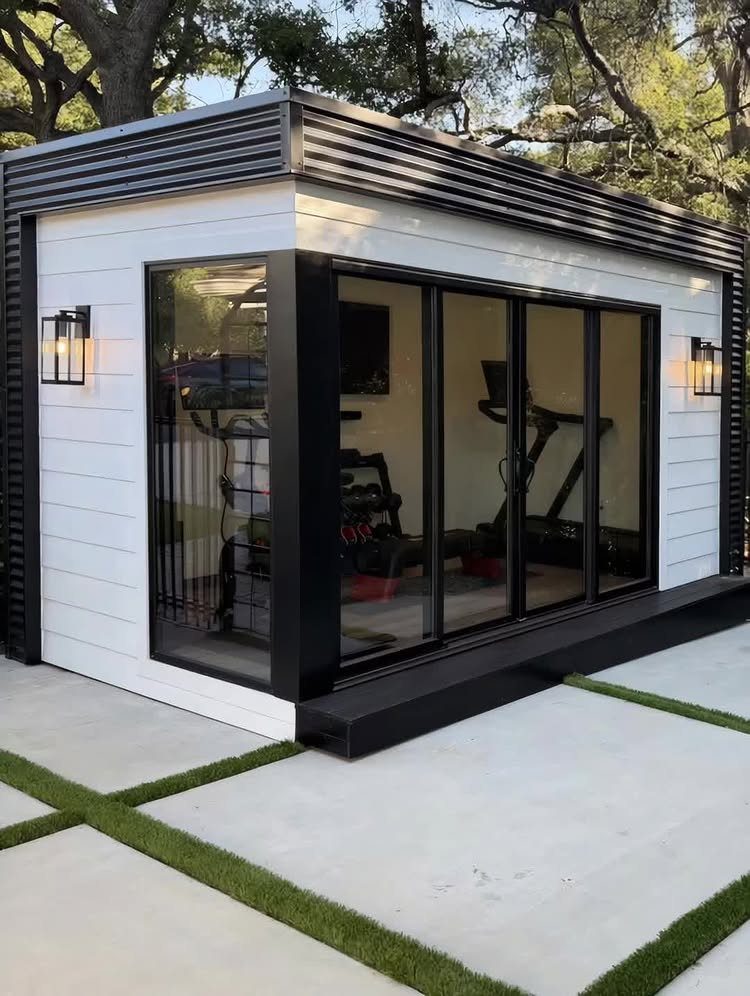
A 10×14 footprint leaves room for a treadmill against one wall and a weight zone on the other.
The ACE guide puts a treadmill at 30 square feet and free weights at 20–50, so the fit is tight but workable with a smart layout.
Ceiling height is the hidden check; a treadmill deck raises you several inches, and overhead presses need clearance above that. Measure your tallest equipment before you buy the shed or pour the pad.
This size suits someone who wants the standard cardio-plus-weights setup without spreading into the yard. Larger equipment or multiple users mean sizing up.

10'' Exhaust Fan: Dimensions: 12.8 x 12.8 inch, Airflow: 820 CFM, FCC Listed, Speed: 1650 rpm. Our high-airflow exhaust fan can eliminate heat, humidity, unpleasant odor, and dust from rooms, buildings, and small enclosed work areas. Get ready to relax and in clean air in all your rooms.

Rapid Venting: This shutter exhaust fan delivers 1500 CFM to quickly expel stale air, floating dirt, heat, and smells, keeping indoor air fresh. Also works as a high-airflow exhaust fan for sheds and workshops

【Massive 1282 CFM Airflow & Wide Coverage】Dominate the heat with a powerful 1282 CFM airflow capability. Driven by a high-speed 1858 RPM motor, this heavy-duty garage exhaust fan rapidly refreshes air in spaces up to 1600 Sq.Ft. It’s engineered to clear a standard 2-car garage in just 3 minutes, making it the ultimate solution for removing heat, odors, and moisture from workshops, greenhouses, or large sheds.
6. Modern Glass Door Garden Gym
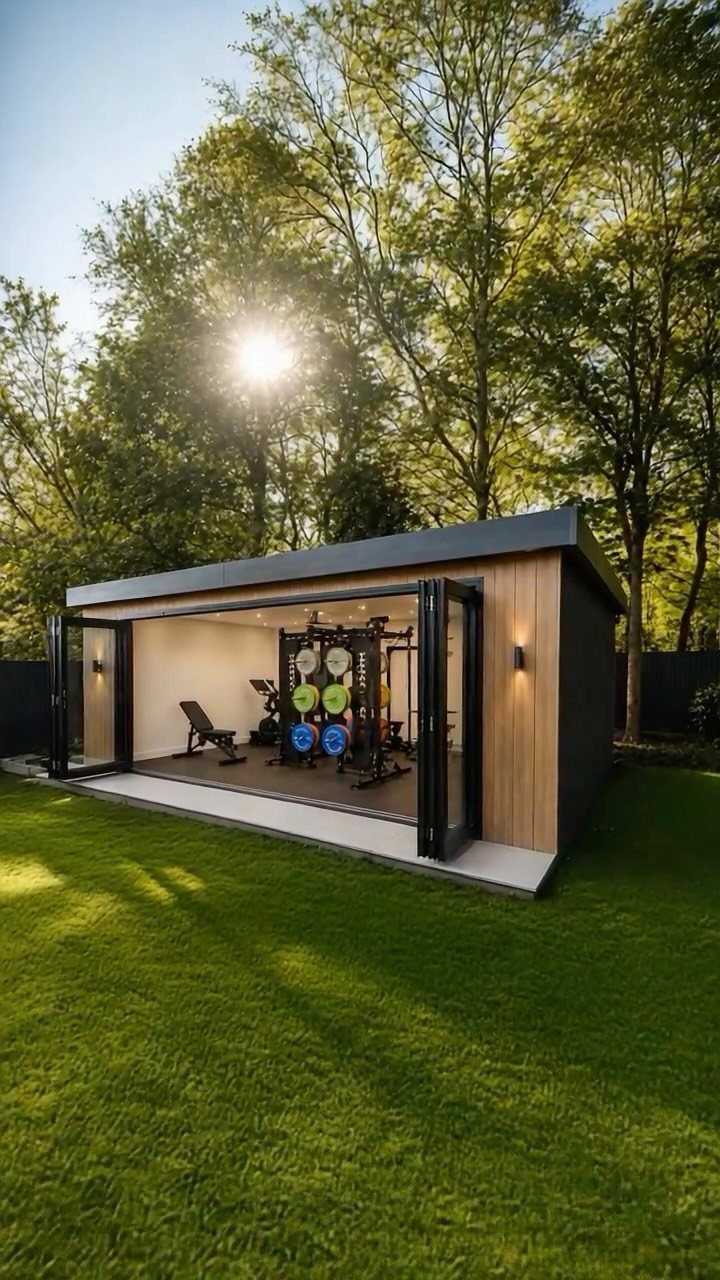
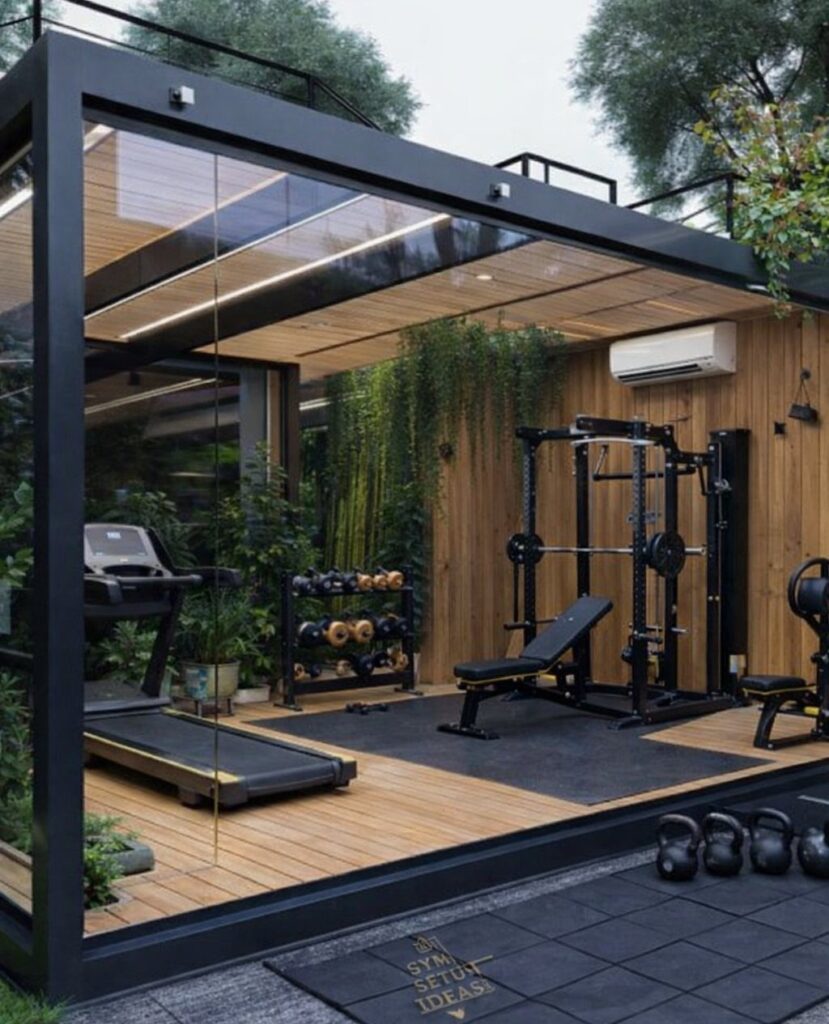
Wide bi-fold glass doors fold back to erase the wall between the gym and the grass, which turns a small interior into a space that feels larger than its footprint.
The light changes the room all day, and in decent weather you get airflow no fan matches.
The trade is privacy and temperature control; glass faces the yard, and the thermal performance of a full wall of doors lags behind insulated stud construction.
This setup fits mild climates or someone willing to heat and cool more aggressively. Position the rack and bench so you are not lifting in direct glare at any hour.
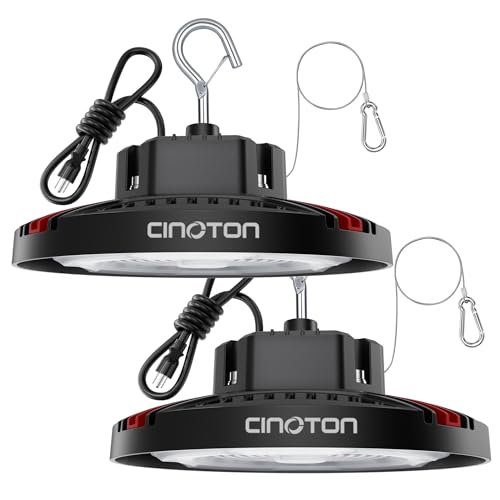
EXCEPTIONAL BRIGHTNESS & ENERGY EFFICIENCY - CINOTON 160W UFO high bay shop light makes you experience superior brightness that delivers a remarkable 24000-lumen output of 5000K daylight. This efficiency rivals 700W halogen lamps/sodium lamps, instantly reducing your electric bill by up to 85%, maximize your lighting control with optional PC reflectors (sold separately). Designed to fine-tune distribution in low-clearance shops or garage for a soft, premium visual finish.

💡{ Durable & Excellent Heat-Dissipation } The LED high bay light features an IP65 waterproof rating and a shatterproof housing, which provide reliable and stable bright light in any weather and situation. The die-cast aluminum cold forged housing provides excellent heat dissipation to extend component life to 50000+ hours and makes the lights more durable

SYLVANIA 100W Value high bay LED lights offer an easy plug and play solution. These high bay luminaires are offered in 100W, 150W, or 200W and deliver 5000K daylight color temperature.
7. Wood Shed Power Rack Setup
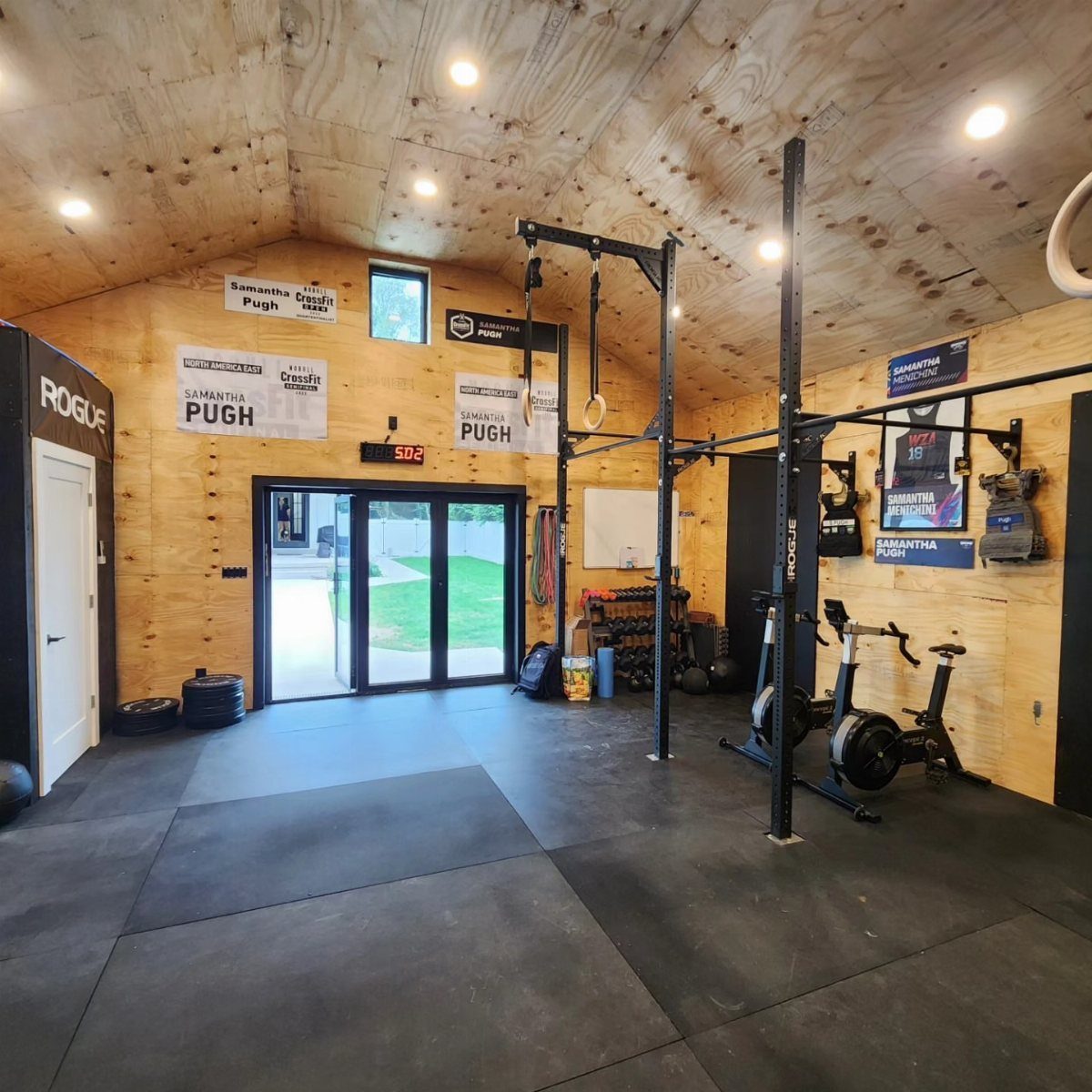
Plywood walls and ceiling in a shed take chalk marks, ring mounts, and the occasional stray bar clip without complaint.
A Rogue or similar four-post rack anchors the room; bolt it to the floor or weight it down, since a tall rack on rubber mats can walk during kipping pull-ups or heavy rack pulls.
Gymnastic rings hung from the ceiling joists add bodyweight work without eating floor space; open doors move air through rather than cool it mechanically.
Check joist spacing before you buy rings; standard spacing is common, but sheds sometimes run wider, which limits where hardware seats solidly.

Lighted End and Extra Size for Safety: The power socket indicator light shows that power is on and the heavy duty extension cord 25 ft is ready for work; Extra size male NEMA 5-15P power plug and female NEMA 5-15R power socket for safety; It is thicker and more durable than the normal type on market and has high insulation safety performance to prevent electric shock; ETL/cETL listed for safe approval

Outdoor Extension Cord: ISLEWIRE 50-foot black extension cord with 3-prong connectors is ideal for extending the reach of power tools, gardening appliances, and other power-hungry equipment (such as Halloween and Christmas string lights, block heaters, lawn mowers, and snow removal equipment). This 3-outlet extension cord can handle 13 amps, 125 volts, and 1625 watts, making it suitable for garages, homes, offices, and various indoor and outdoor environments.
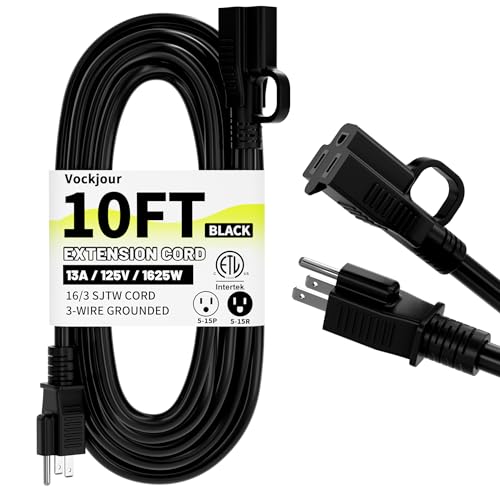
ETL Listed:16 AWG extension cord 10 ft, 125 volts, 13 amps, 1625 watts, 5-15P/R,3 prong extension cord Temperature Range -58°F to +158°F; Heavy duty extension cord ETL/cETL Approved
8. Gym Shed with Lounge Seating
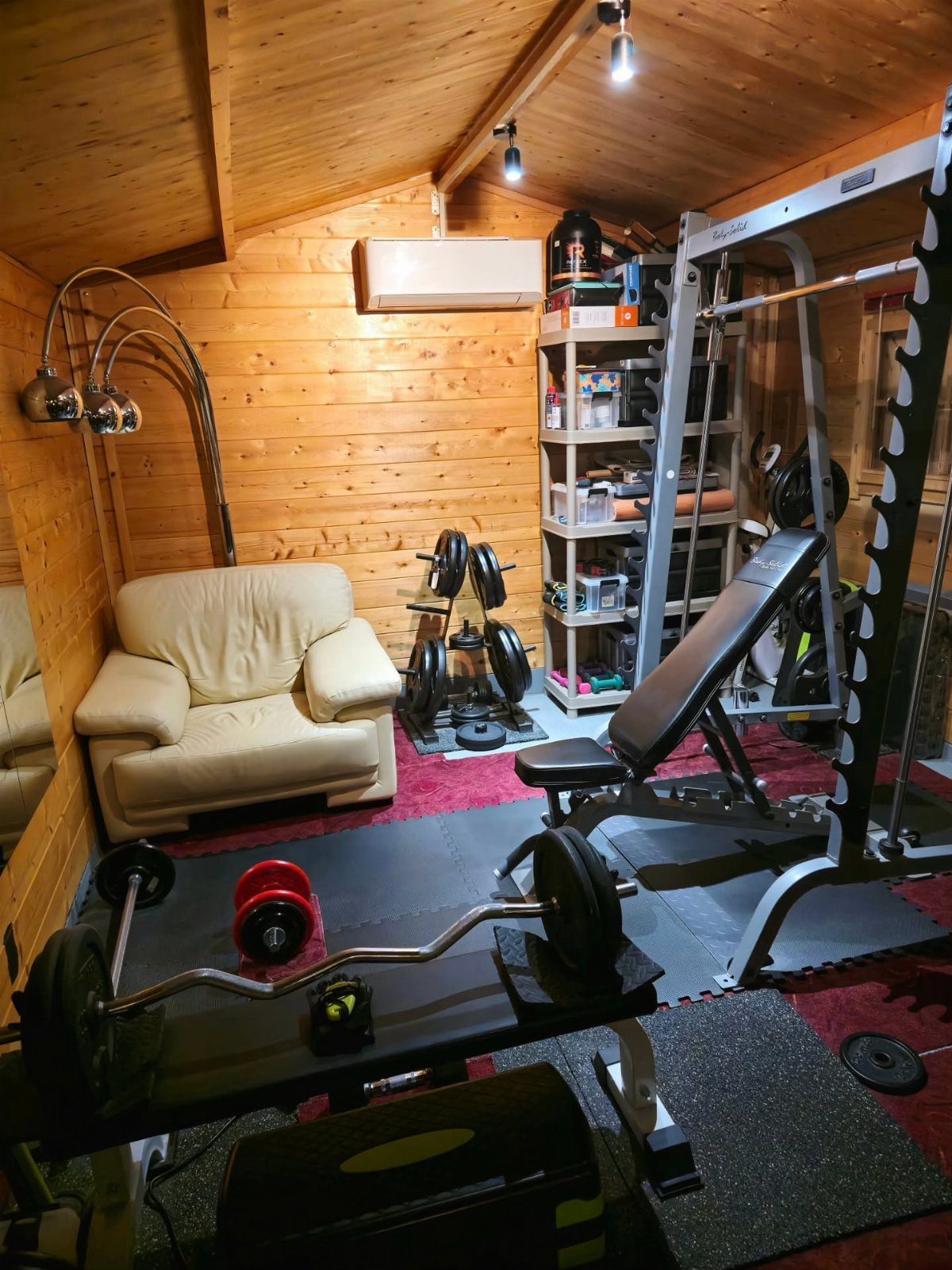
An armchair in the corner turns the shed from a workout cell into a room you stay in. Upholstery matters more here than in a living room; sweat and chalk dust do not improve fabric.
Leather or a tight-weave synthetic wipes clean, and a chair with legs rather than a skirt lets you sweep underneath. The trade is floor space: that corner could hold a dumbbell rack or a stretching zone.
This layout suits someone who uses the shed for long sessions with rest between sets, or who wants a space that doubles as a retreat.
After her garage was built, Lisa got to work finishing the interior. Outfitted with rubber mats, reclaimed wood paneling, several pieces of exercise equipment, and of course, a couple flat screen TV’s, Lisa’s home gym can rival even the best exercise facilities.

APPLICATION SPRAY FOAM: Spray foam insulation is simple to utilize. Before using expanding foam, give the can a good shake to guarantee adequate mixing. Apply the spray foam insulation with ixirpro Spray Foam Gun to the targeted area. Give the foam a full day to cure before cutting or shaping it as desired. Before the foam cures, remove any extra foam by using a solvent or cleaner. Each spray foam insulation can can be used up to incredible 20 board feet.

FILLS SMALL HOLES, GAPS & CRACKS: Ideal for insulating and preventing drafts

SPRAY FOAM INSULATION KIT CONTENTS: 12 Pcs Spray Foam Insulation (26.46 oz. - 750 g), 1 Foam Gun Cleaner (15.52 oz./440 g), 1 Spray Insulation Foam Gun, 12 Pcs Red Nozzle (1-2), 2 Pcs Short 1 Long Foam Gun Nozzle Tips, 10 Pcs Spray Foam Can Nozzles, 1 Protection Suit, 1 Safety Glasses, 12 Pcs Gloves
9. Wall-Mounted Functional Trainer Setup
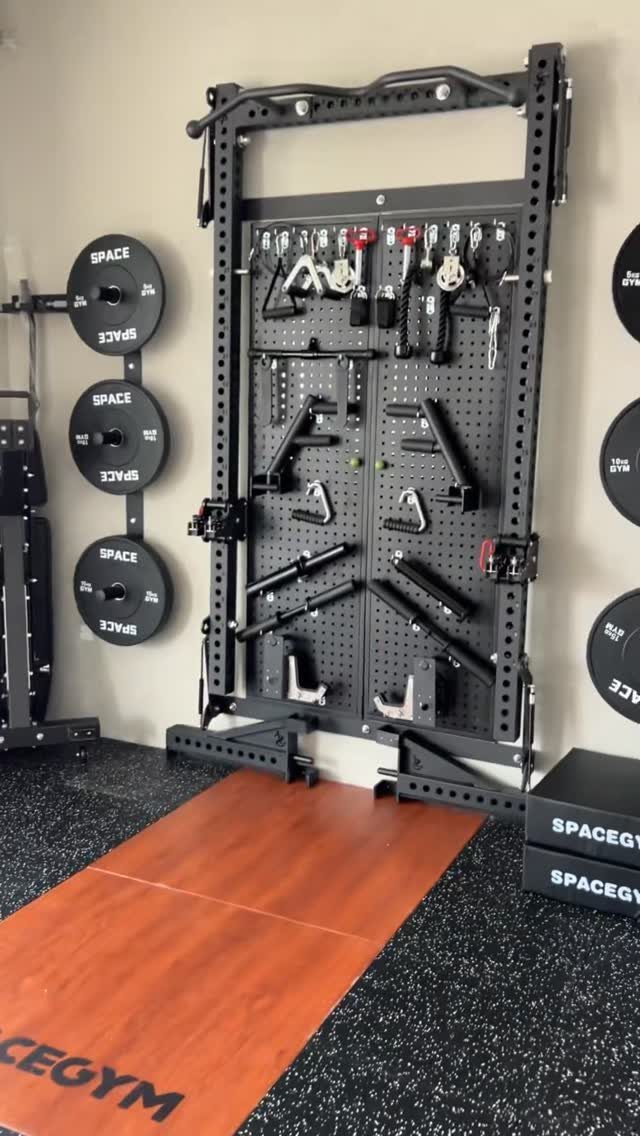
A wall-mounted rack and pegboard keep cable attachments, bands, and handles off the floor and in view, which matters when the shed is small enough that clutter becomes a tripping hazard fast.
The black metal rig bolts to plywood or studs; lag bolts into bare shed framing will pull out under load, so a plywood backer or blocking between studs is the minimum.
Weight plates stored on the pegboard add mass to the wall and put change plates where you can grab them mid-set. Orange or black rubber flooring underneath marks the work zone and catches anything dropped from the hooks.
This setup suits someone who trains with cables and accessories more than free weights, or whose shed footprint leaves no room for a standing rack.

💪 #𝟭 𝗣𝗥𝗢𝗧𝗘𝗖𝗧𝗜𝗩𝗘 𝗙𝗟𝗢𝗢𝗥 𝗠𝗔𝗧 𝗦𝗘𝗧 𝗪𝗜𝗧𝗛 𝟭𝟴 𝗣𝗨𝗭𝗭𝗟𝗘 𝗣𝗜𝗘𝗖𝗘𝗦 + EDGE PIECES FOR PERFECT FLOOR PROTECTION - protect your floor from scratches, knocks, dents, cold, noise, sweat and other fluids with probably the best and most secure protective floor mat available on the market. Completely BPA-free for your safety and well-being.

【Enhanced Dual-Layer Gym Floor】Engineered with a high-density EVA foam core and a durable EPDM rubber surface, these gym flooring are built to support heavy equipment with ease. The reinforced layers resists tearing under pressure and high-impact workouts, delivering long-lasting durability you can rely on

[Upgraded Dual-Layer Design]: Concerned about your equipment scratching the floor during workouts? Our 2 in 1 Rubber Top EVA Foam Exercise Gym Mats are crafted to solve this issue. The textured rubber top layer, combined with a high-density EVA foam bottom layer, seamlessly creates a non-slip tough surface with excellent shock absorption.
Assessing Shed Condition
Before you bolt anything down, walk the shed and test what is actually there. Push against the walls; if the frame wobbles or the floor rocks, shims and blocking come before equipment.
The floor joists need to handle deadlifts and a rack, not just garden tools. I have seen sheds where the plywood subfloor flexed under a loaded bar, and that is a repair you want to make now, not mid-set.
Ceiling height is the measurement people skip. Measure twice, with the equipment you plan to use, or you will be ducking through every workout.
The door width matters for delivery day.
A power rack or treadmill that fits inside the shed may not fit through the door in one piece. Check the opening against the box dimensions before you order, or budget for partial assembly outside and carrying it in.
Sweep out dust, check for pests, and look for rot at the base. A clean, stable shed is the foundation everything else builds on.

【8" Exhaust Fan】- Our shutter exhaust fan rapidly removes heat, humidity, odors, and dust from enclosed workspaces. Equipped with a high-speed motor, it ensures efficient ventilation while maintaining durability. ETL-listed with grounding protection to help reduce electrical risks and ensure safe operation
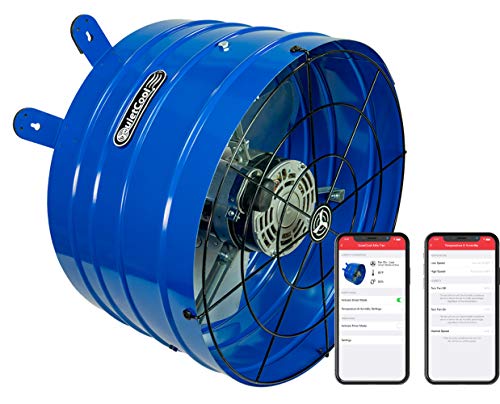

【Pays for Itself via 13W DC Motor】 Cut your utility bills by 76% compared to outdated AC models. This energy-efficient DC drive runs cold without heat buildup, extending lifespan while delivering powerful ventilation. A smart investment that returns value through long-term electricity savings.
Climate Control Importance
Temperature control in a shed gym is not about comfort alone; it is about whether you use the space at all.
I have tried lifting in a metal-walled box in July, and the bar is the last thing you want to touch. Insulation in the walls and ceiling is the first fix, but it only works with air that moves.
The choice depends on your shed; some come with vents, some need retrofit.
One alone is not enough. Plan both pieces from the start, because adding insulation after the rack is in place means moving the rack.
Cost Considerations
The upfront cost of a shed gym stares at you all at once, while gym membership fees leak out monthly and feel smaller than they are.
A commercial gym membership runs month after month, and the gas for driving there and back adds its own steady drain; the shed pays back in years, not decades, if you count both.
The shed and equipment cost more on day one, but the break-even point arrives if you stay with it.
Gas savings are real, especially when prices spike.
Small savings do add up; a ten-mile round trip at twenty-five miles per gallon is a bit under half a gallon per visit. Multiply by your frequency.
Sharing the space multiplies the return. A spouse or teenager using the same rack and bench splits the effective cost without adding membership fees.
The math only works if the equipment gets used, which is why starting with gear you already own or know you will use beats buying for a fantasy routine.
Equipment Selection
Match the equipment to how you actually train, not to what looks complete in a catalog.
Multi-purpose pieces save space in a shed that is never as large as you want.
An adjustable bench and a rack with pull-up handles cover more ground than a dozen single-use machines. Adjustable benches and compact machines fit best; a 10×14 shed fills fast.
Clearance around each item is safety, not luxury. Measure your movements, not just the footprint of the machine.
Wall storage keeps the floor clear. Assign every item a spot, or the shed becomes a obstacle course between sets.
Frequently Asked Questions
What size shed will I need for my home gym?
A 10×14 shed fits a treadmill and a weight zone with careful layout, though the ceiling height matters as much as the floor plan.
Check the height of your tallest gear first; a raised treadmill deck plus room to press overhead eats more headroom than most people guess.
Add another user or a bigger machine and you will want more square footage from the start.
Can I put a treadmill in a gym shed?
Yes, if the shed has electricity and enough climate control to keep the machine in its operating range.
Treadmills need outlets, and in most climates that means insulation plus some form of heating or cooling to stay between roughly 50°F and 105°F. An electrician adding proper wiring is the permanent route; a heavy-duty weatherproof extension cord works short-term but should not stay in place year-round.
How much will a home gym cost?
A complete setup runs around $10,000 including the shed, equipment, and finishing. A quality 10×14 shed starts near $5,000, equipment lands around $2,000, and insulation, electrical, and interior finishes add another $3,000.
Spread over 15 years that is about $55 monthly, which beats a $40 gym membership plus gas once you factor in the drive. The break-even comes faster if a spouse or teenager shares the rack and bench.
How do I plan a home gym layout?
Start with the equipment you already own or know you will use, then sketch around your actual movements rather than machine footprints alone.
Leave clearance for the bar path and your body, not just the equipment; wall storage for bands and attachments keeps the floor from becoming an obstacle course between sets.