These cottage garden ideas run from a bag of gravel and an afternoon to a pergola pour that eats a whole weekend and a chunk of lumber and concrete.
What you pick depends on how permanent your situation is, and whether you might need to move it when the lease ends, the season turns, or you just want a different view from the window.
The brick pillar built from Craigslist spares and succulents in the mortar gaps costs almost nothing, lifts in pieces, and was the detail that made me start this list with renters in mind.
[link-whisper-related-posts]1. Layer Your Design
A cottage garden lives or dies on whether you can walk through it without seeing the whole thing at once.
Layering builds that slow reveal: low thyme or creeping jenny at the front, then the mid-height workhorses like salvia or catmint, with roses or a small clematis-trained arch pulling the eye upward at the back.
I would start the tallest plants where they will frame a turn or a gate, not dead-center against a flat wall.
Groundcovers spread at different speeds.
Thyme fills in fast; sedum takes its time. Plant closer than the tag says if you want that overlap this season, or wait a year and save the money.


🌸 Gypsophila – Airy white blooms for bouquets and borders. 🌸 Sweet William – Fragrant pink, red, and white flowers for cottage gardens. 🌸 African Daisy – Bright, sun-loving daisy-like blooms. 🌸 Candytuft – Elegant white flowers for pathways and borders. 🌸 Poppy – Deep-red blooms with black centers for bold contrast. 🌸 Aster – Vibrant, butterfly-attracting late-season flowers. 🌸 Zinnia – Petite, colorful blooms for cutting gardens.

Comfortable Cotton Blend-Soft cotton blend fabric provides a comfortable feel and cozy warmth for everyday wear in cooler weather.
2. Mixed Perennials
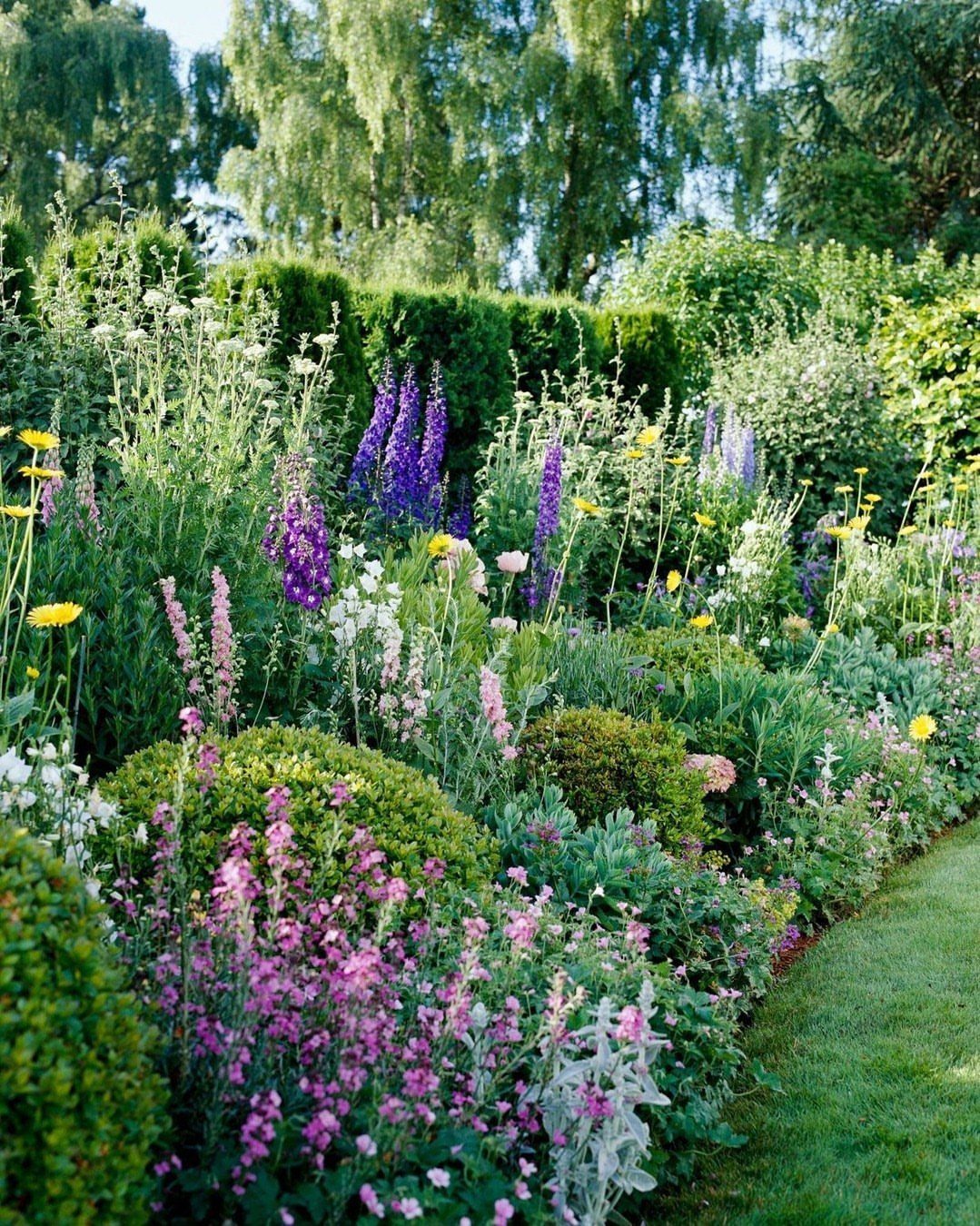
Perennials that come back on their own are the only way a cottage garden stays manageable on a weekend schedule.
Delphiniums and phlox with daisies threading through give you succession bloom without a spreadsheet: early, mid, and late performers in the same bed.
Your local extension office lists which varieties survive your winters without coddling.
That is where I start, not with a catalog’s zone map. A plant rated for zone 6 that needs wet soil will fry in my dry summer anyway.
The density is the point.
Pack them tight enough that weeds never see light, then let them fight it out. Some will seed where they want; that is half the charm and half the maintenance.

A lovely biennial flower that growing up to 12"-24" tall and 6"-12" wide


Unqiue Flowers: A curated selection of diverse Hosta Seeds, offering the joy of mysterious discovery and showcasing their stunning blooms year after year; catering to various aesthetic preferences and garden designs
3. Year-Round Interest with Evergreens
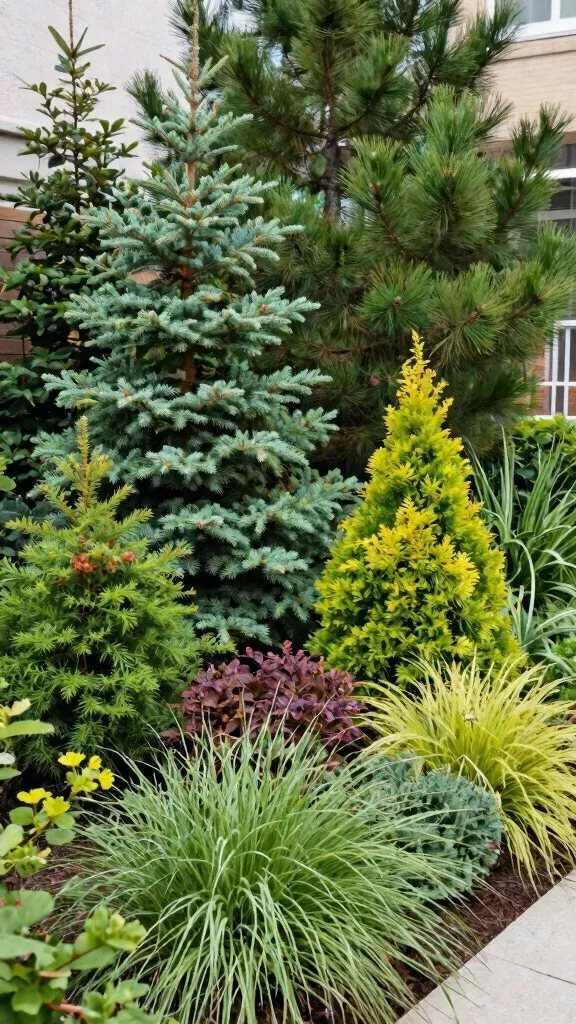
February kills the cottage garden fantasy faster than anything. Blue spruce, gold cypress, green boxwood, each holds its shape and color when the perennials are sticks.
I plan beds backward from the worst month. What looks good in March?
What has bark or berry or a conifer’s bulk? Grasses add movement and straw color; they stay until spring cleanup.
Bloom-time lists are easy to find.
Evergreen structure takes more thought, and it costs more up front. A dwarf conifer fills the same visual space next winter that an annual filled last July.

PREMIUM NURSERY GROWN: Arrives established with healthy root development to help your plant thrive. We cannot ship our plants to the following states: AK, AZ, CA, CO, HI, ID, MT, NM, NV, OR, UT, WA, or WY. All orders to these states will be automatically cancelled

Cold Hardiness: Exceptionally cold hardy camellia varieties included; Survives winter temperatures in USDA zones 7-10; More cold tolerant than many traditional camellia types

ENGLISH HOLLY SEEDS: Package contains 40 seeds of Ilex Aquifolium, also known as European Holly, Common Holly, or Christmas Holly, an evergreen tree or shrub.
4. Garden Lighting and Seating
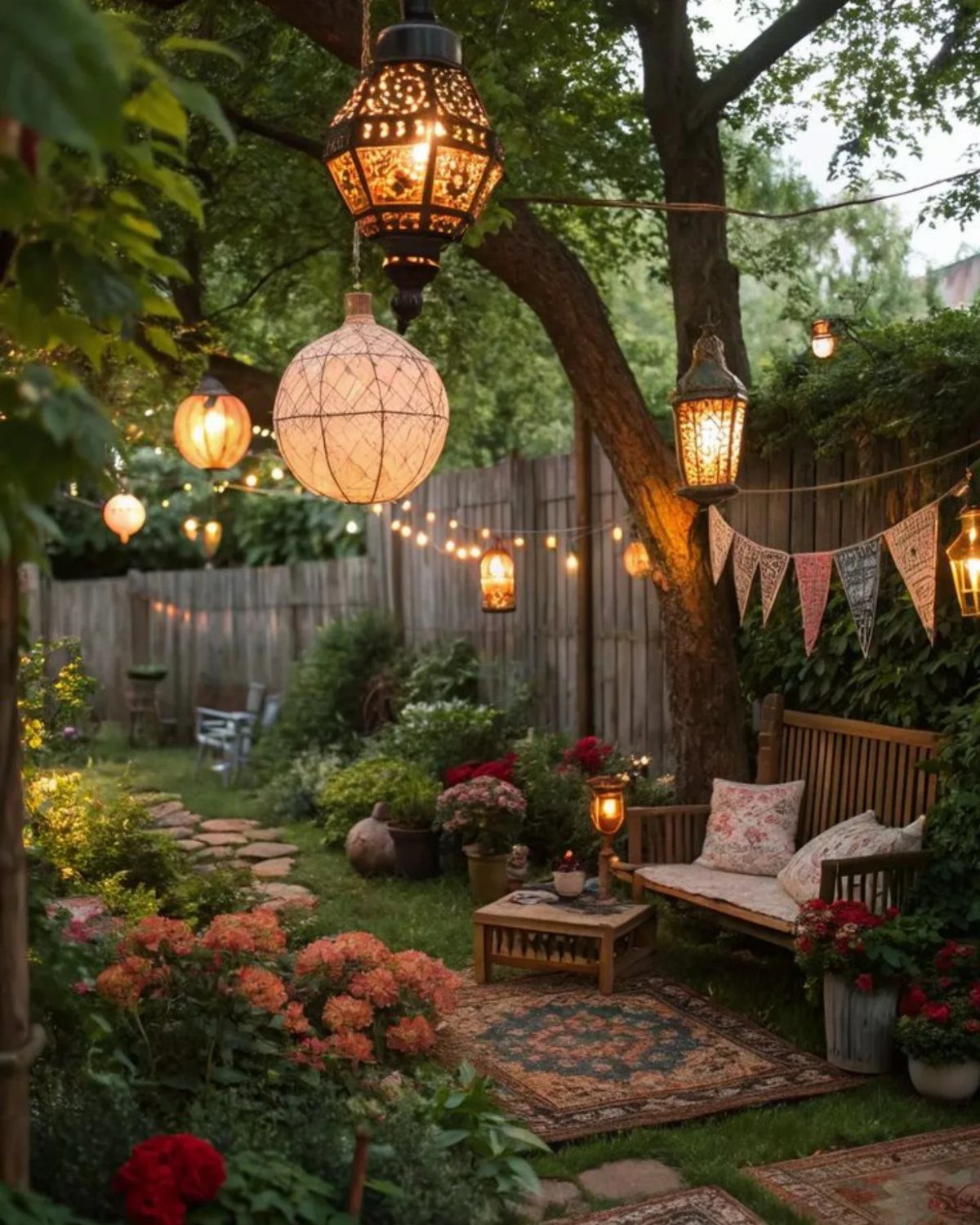
A bench and lights turn a daytime garden into a room you use.
String lights in trees need one outdoor outlet or a solar panel you stake nearby; the lanterns could be real flame or LED, your call on hassle versus flicker.
I have sat on enough damp wood to say cushions matter.
Store them in a deck box or buy the outdoor foam that drains dry. The rugs on grass will mildew by fall unless you haul them in; I would skip them and spend that on a second light strand.
Evening light, not night, is what you are planning for.
That is the usable window, after work in summer, before the bugs win. Plan your seating and lighting for the hour you will actually sit there in July, not noon.

EASYFLEX DECORATIVE NO-DIG LANDSCAPE EDGING: Get a beautifully landscaped yard without all the work of a dig-in lawn edging; simple installation without trenches or shovels

EASYFLEX DECORATIVE NO-DIG LANDSCAPE EDGING: Get a beautifully landscaped yard without all the work of a dig-in lawn edging; simple installation without trenches or shovels

5. Repurposed Materials and Native Plants
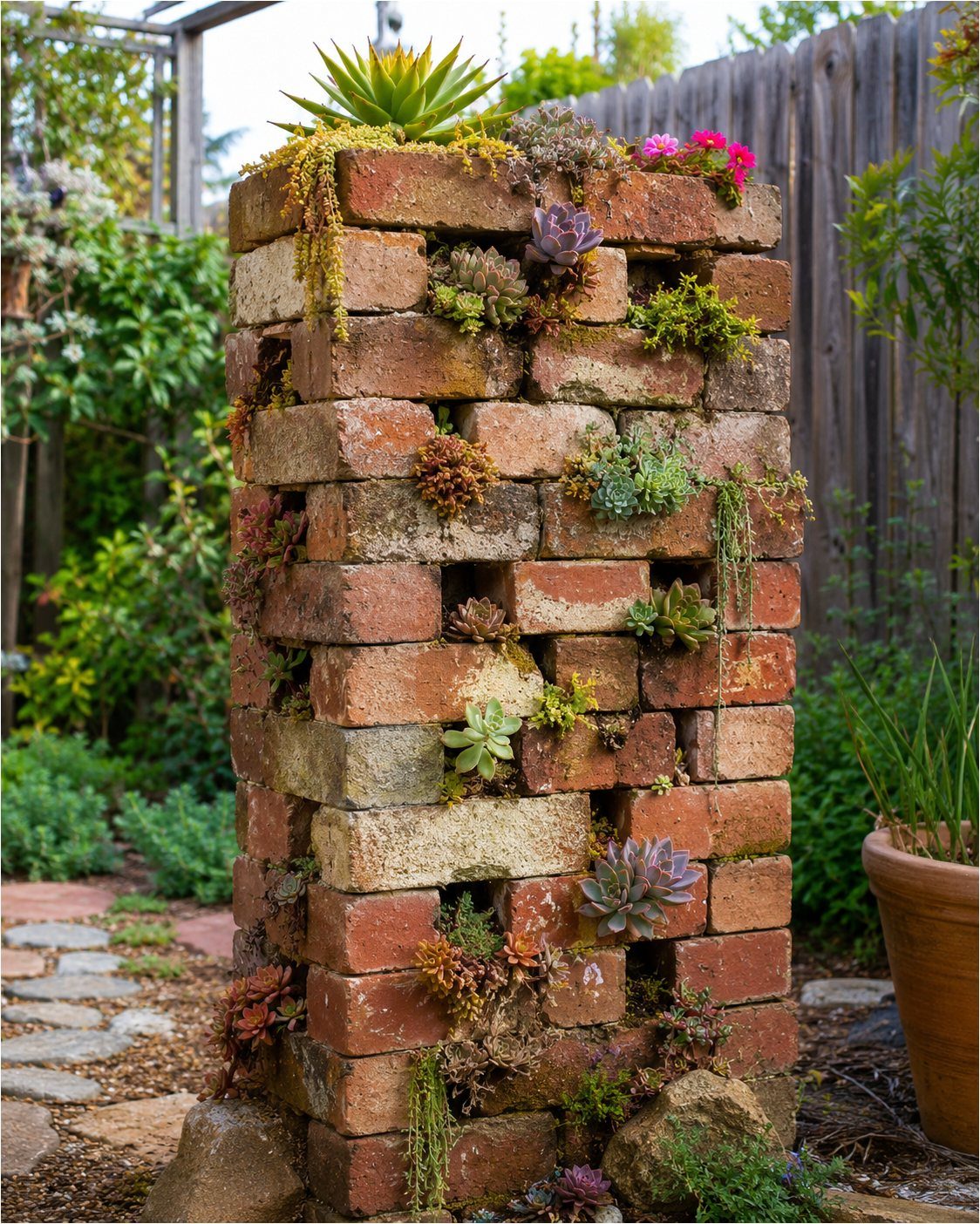
The brick pillar with succulents in its gaps is built from what was already on the property or cheap on Craigslist. Native sedums or hens-and-chicks need no soil depth, just the mortar lines and whatever rain falls.
I like this for renters especially.
It is structure without a foundation, weight without a permit. Stack dry if you want to move it; a dab of construction adhesive between courses if you do not.
Native plants cut the water bill and the replacement cycle.
The ones that grow in your county’s ditches will survive your neglect. Check your state’s native plant society for lists; big-box stores rarely stock them, but local swaps do.
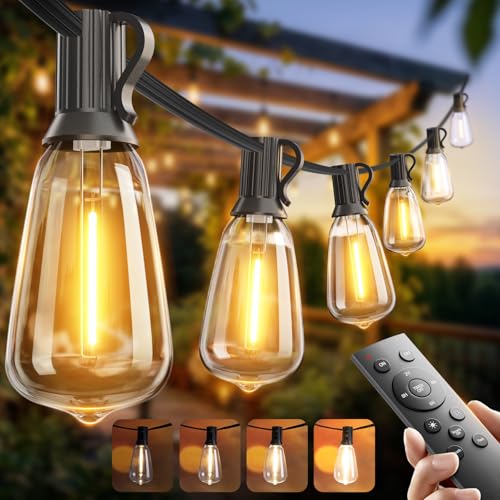
【Remote Control – Adjust Lights Without Getting Up】Sit back and use the remote to turn your lights on/off and fine-tune the brightness. Easily move from a gentle evening glow to bright lighting for cooking, gatherings, or game night, all without walking over to the outlet. The maximum remote control range is 50 feet.

【Works Automatically & Warm White Lighting Decoration】 This LED solar strip lights work automatically without electricity, as the solar panel absorbs the sun's rays and generates power for the light. It contains 90 LEDs, which provide excellent warm white illumination and can turn a dark space into a decorative, lighted space

【Dimmable & Energy Saving】Plug-in Powered: These G40 LED outdoor string lights include 12 shatterproof plastic bulbs plus 1 spare. Each 1.5-inch E12 base bulb adopts low heat 1W LED with soft balanced brightness and 2200K warm white glow and 20000+ hours lifespan. Fully dimmable for mood adjustment and high energy efficiency, plug-in design provides steady illumination without solar charging delays
6. Winding Stone and Flagstone Pathways
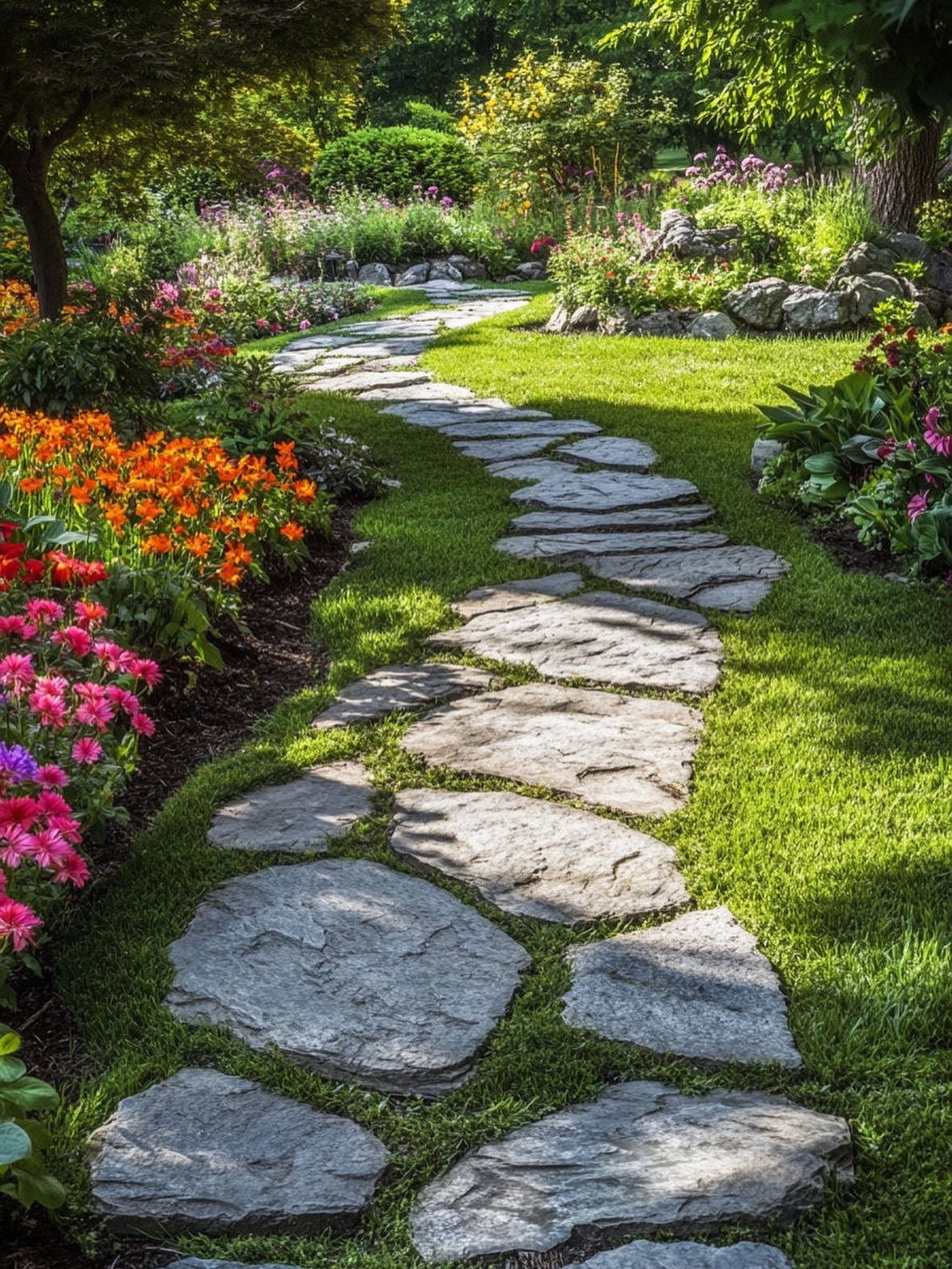
A straight path gets you to the shed.
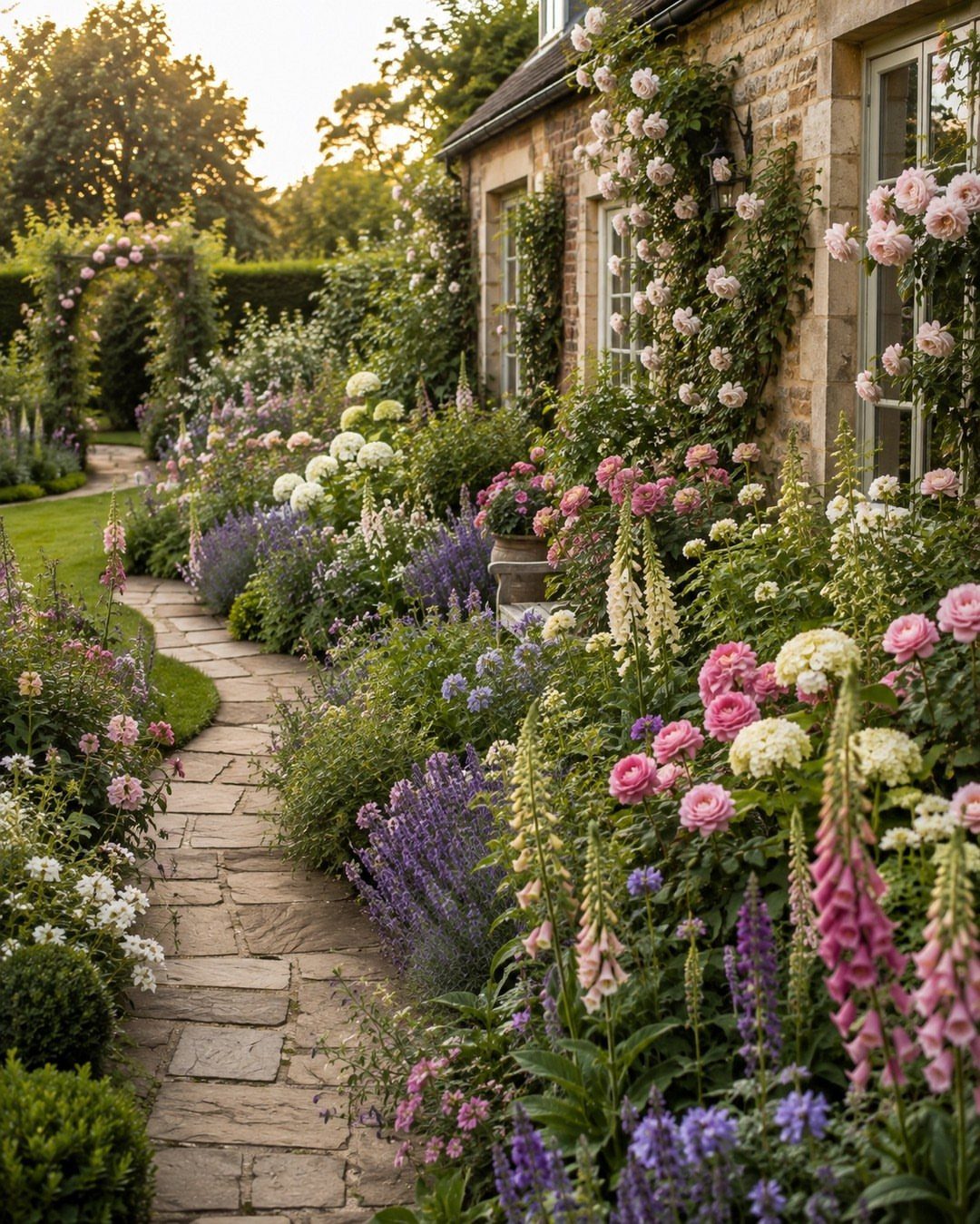
A winding path gets you to stay outside longer. The irregular shapes force slow steps; the flowers at knee height reward them.
Flagstone on sand is the DIY version.
Dig deep enough for drainage, lay landscape fabric, pour a sand base, then puzzle the stones in with gaps for thyme or moss. Tight placement is safer and less weeding.
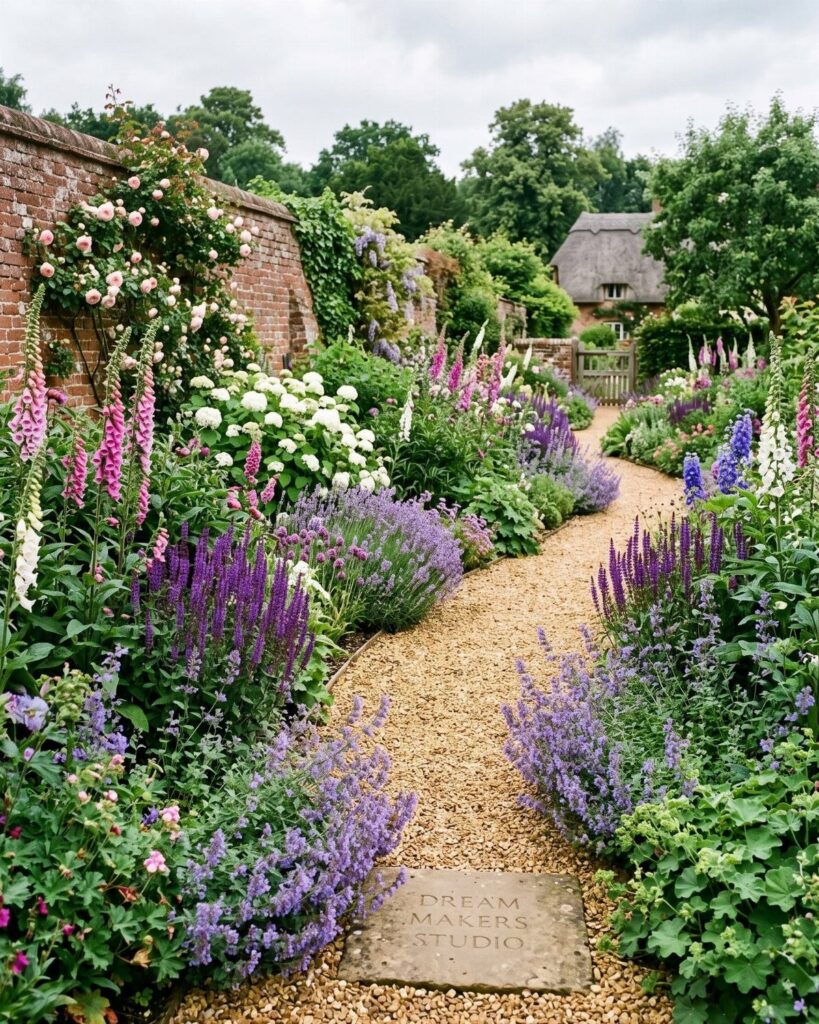
Gravel is cheaper and faster, but it migrates. I have raked it back into place every spring.
Stone costs more once and sits still. For a weekend budget and a Saturday, flagstone wins if you have a source nearby; gravel if you do not.


【Super Value】--Including 8 Pack of small rooting balls ,Fit branch size: 0.15~0.35 inch,We give you 30 extra cable ties to help you secure the root ball better.

7. Vegetable Beds and Herb Gardens
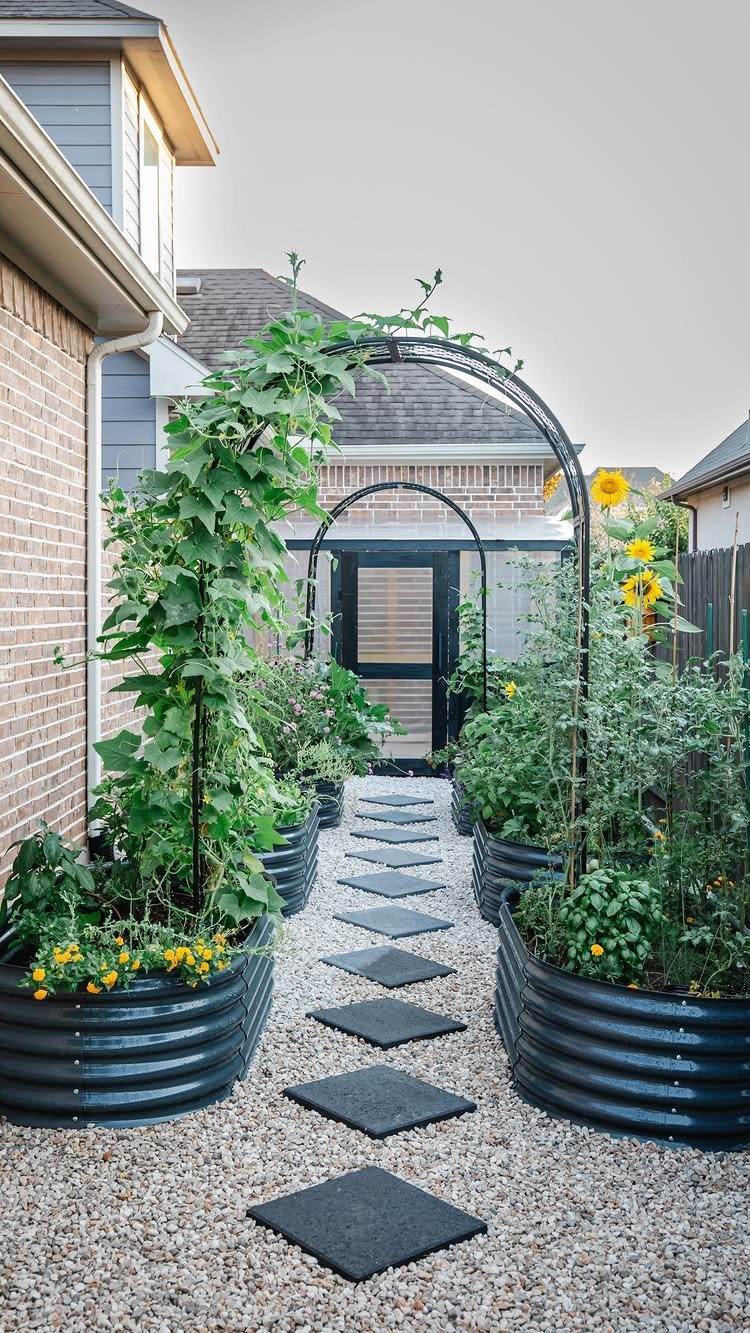
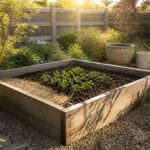
Corrugated metal beds keep the soil warm in early spring and the lines clean against gravel. I place herbs where I will brush them reaching for tomatoes: thyme at the corner, basil along the sunward edge.
Black arbors train beans or cucumbers vertical, which leaves the path clear. Metal beds cost more than wood but outlast it; rent a metal brake if you are cutting your own, or buy kits that bolt together.
Corrugated metal raised beds flanking a gravel path keep the kitchen garden organized and within reach from the house.
That layout needs more walking room than a rectangle. Mine stay in straight lines because my path is narrow.

100% Pure, Non-GMO Seeds - No fillers, favorites only! Includes 19 easy-to-grow species: Siberian Wallflower, Shasta Daisy, Lance Leaf Coreopsis, Sweet William, Foxglove, Purple Coneflower, Blanket Flower, Blue Flax, Perennial Lupine, Mexican Hat, Gloriosa Daisy, Black Eyed Susan, Candytuft, Gayfeather/Blazing Star, Maltese Cross

100% Pure, Non-GMO Seeds - No fillers, favorites only! Includes 19 easy-to-grow species: Siberian Wallflower, Shasta Daisy, Lance Leaf Coreopsis, Sweet William, Foxglove, Purple Coneflower, Blanket Flower, Blue Flax, Perennial Lupine, Mexican Hat, Gloriosa Daisy, Black Eyed Susan, Candytuft, Gayfeather/Blazing Star, Maltese Cross

Vibrant Blooms: Painted Daisy Flower Seeds produce stunning, multi-colored flowers in shades of red, pink, white, and yellow, adding a splash of color to any garden.
8. Arched Trellises and Pergolas for Climbing Roses
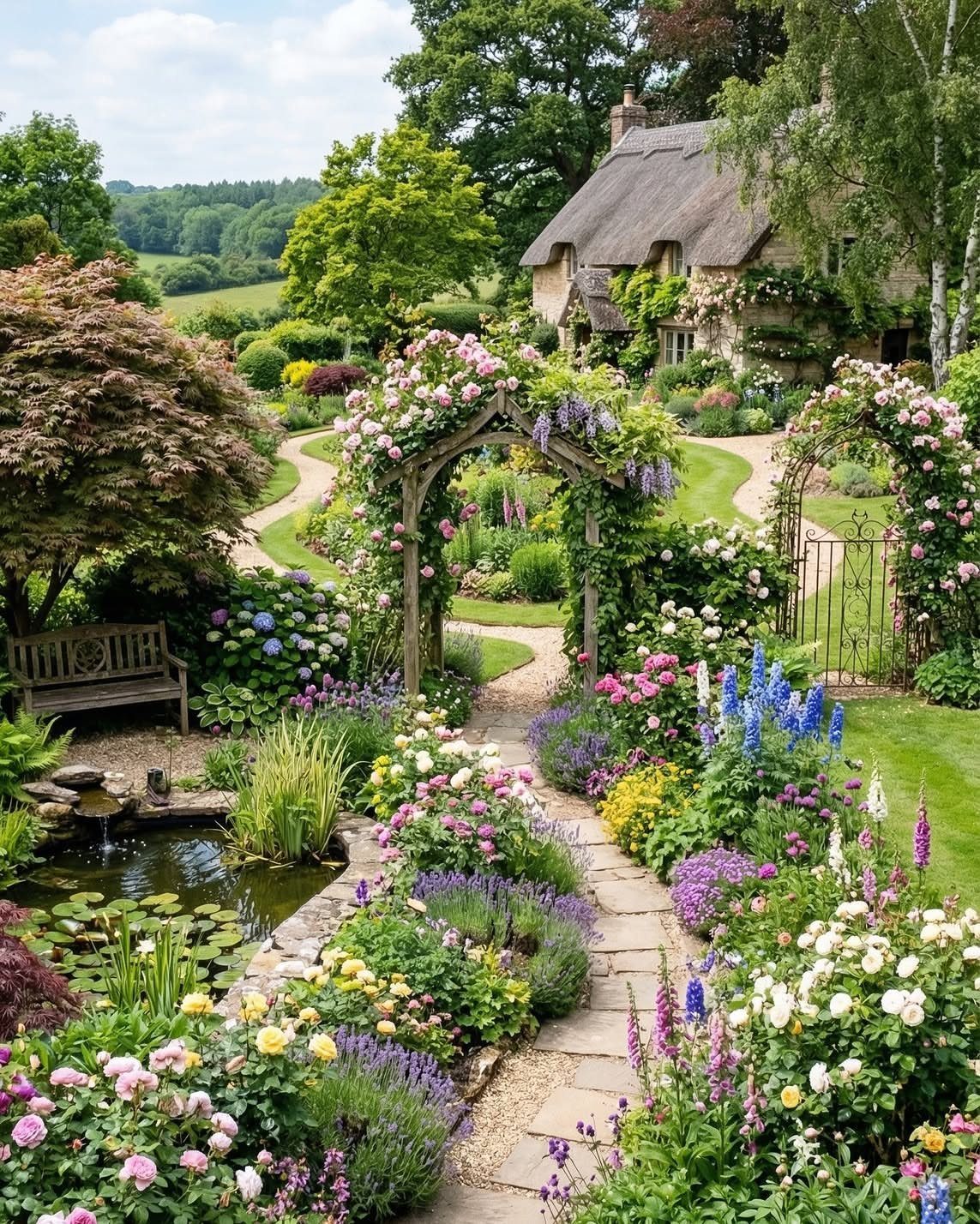
Wood weathers to silver; pressure-treated or cedar buys you time before that. An arch at a turn, not an entrance, means you pass through it going somewhere else rather than stopping to pose.
Roses need sun to bloom up high. Shade from the pergola itself will reduce flowers directly underneath; plant something that tolerates shade there, or keep the slats wide.
A frame this size needs posts set deep in concrete, or surface piers if you might move it.
The second option sways; I have steadied a loose arbor with corner braces later, and it meant undoing work. Dig once, or plan to dig again.

We cannot ship our plants to the following states: AK, AZ, CA, CO, HI, ID, MT, NM, NV, OR, UT, WA, or WY. All orders to these states will be automatically cancelled.

Nellie Holly features glossy, dark green leaves providing an attractive year-round appearance and enhancing your garden's visual appeal effortlessly

Ilex China Girl Holly features dense, bushy growth with glossy, dark green leaves, providing lushness year-round as an evergreen.
9. Colorful Flower Combinations
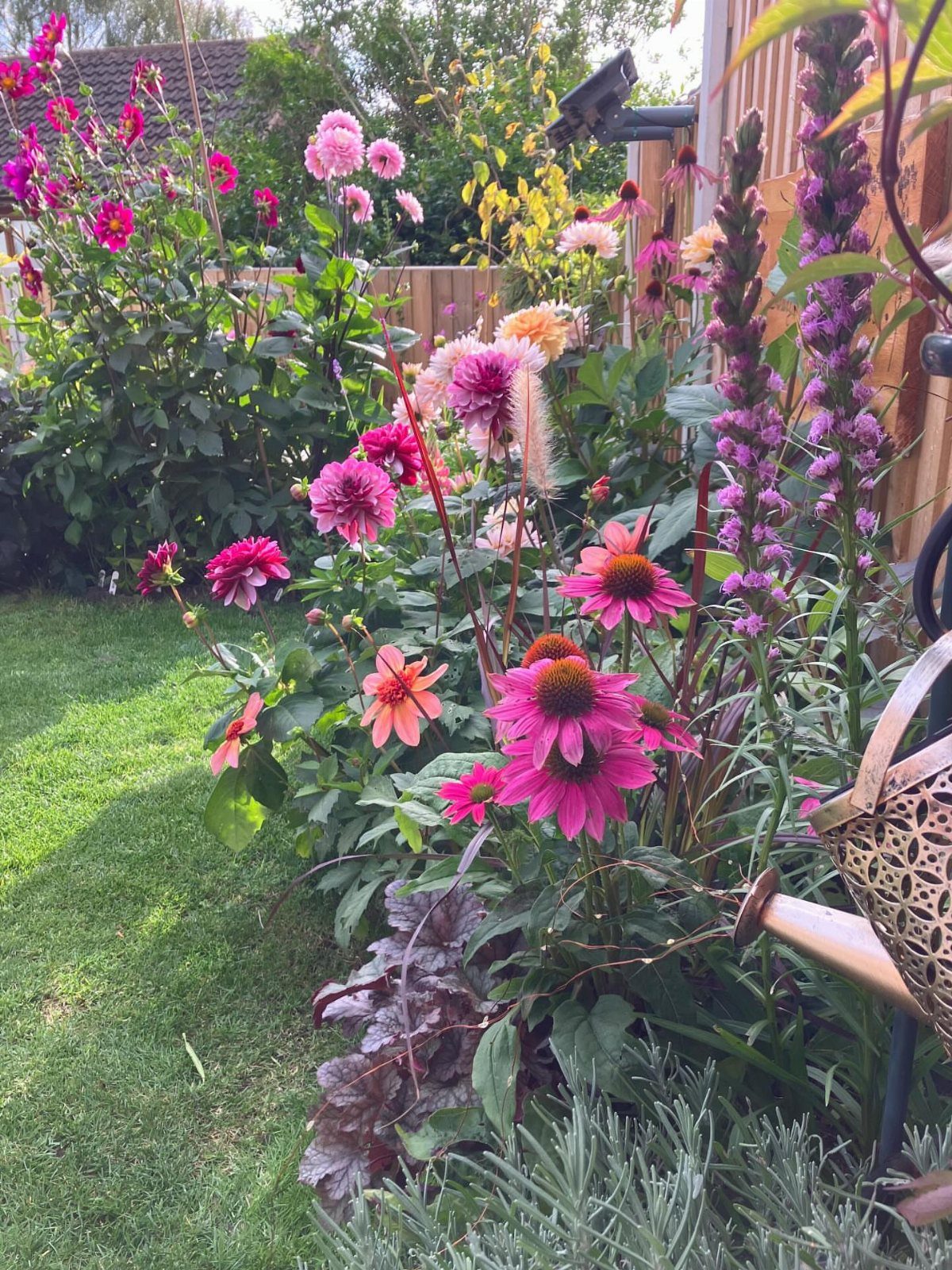
Pink, purple, and orange share a warmth that reads as intention rather than accident. Dahlias and coneflowers that repeat at different heights keep the mix readable from a distance.
I plan for at least one color in each layer: lowverbena under tall liatris, or a medium mounding daisy bridging between. Without that overlap the bed looks striped.
A green lawn backing the border gives the colors somewhere to rest.
Fence paint matters too; my wood stain reads orange at sunset, which fought a red geranium until I moved it. Test your combo at the hour you will see it, not just at noon.

🌿 Compact Dwarf Evergreen: Globosa Nana Cryptomeria features a naturally rounded, dense form that stays small and tidy—perfect for landscapes, borders, and container gardens.
🌿 Compact Dwarf Evergreen: Globosa Nana Cryptomeria features a naturally rounded, dense form that stays small and tidy—perfect for landscapes, borders, and container gardens.

Garden Edging Border Upgraded Material: Our garden fence borders are made of upgraded 100% new resin practical material, not blistering, no peeling, no corrosion, not deformed, high tenacity: No digger tool required, just simply push into soft ground. For harder ground, you need dig a trench first and keep it stable, then use a rubber mallet to secure the edging.
Cottage Garden Characteristics
Cottage garden character comes from forgetting where the property line sits.
The style works at an entrance because it expects collision: heels brushing catmint, mail carriers ducking under a clematis arch. That informal density makes a small front yard feel borrowed from somewhere older.
Romantic abundance is the phrase, but the reality is plants fighting for light and winning. The entrance needs hardscape that survives that contact: stone edges, not edging strip; paths wide enough for a door swing.
Harmonious combinations look accidental but take planning; I would sketch the entrance in its worst month, not its best, and build from there.
Without that backbone, you have mud and stems.

Breathtaking Italian Bistro Style Lighting : Each strand features 15 vintage-inspired hanging sockets with shatterproof E17 LED edison bulbs, spaced 3.11 feet apart for a captivating, even glow. Enjoy brighter, energy-efficient outdoor lights that enhances every outdoor moment with timeless charm and lower electricity costs.

Perfect Size & Waterproof Inserts – The replacement solar panel inserts for garden lights measure 7×7×2 cm (2.76×2.76×0.79 inch), and the LED string light is 7 cm long. Made with waterproof design, they are durable for outdoor use. Please confirm your solar panel size before purchasing to ensure compatibility.

【Unrivaled Durability & Energy Efficiency】Crafted with upgraded heavy-duty wires and reinforced PVC coating, our 120FT string lights with remote are designed to withstand long-term wear and tear from both indoor and outdoor use. Utilizing innovative energy-saving filament tech and undergoing rigorous durability testing, these LED bulbs offer a lifespan of up to 30,000 hours while consuming 90% less energy than incandescent bulbs. Ideal for holiday decorations or daily lighting in any space.
Maintenance Considerations
Moderate maintenance in a cottage garden means concentrated bursts, not an hour every evening. The density that blocks weeds also blocks air; I cut back hard in early spring and again after peak bloom.
Drip lines or soaker hoses belong under the mulch from the start.
Hand-watering a packed bed wastes water on leaves and invites mildew. Phlox in my yard dies from humidity more often than from drought, so I plan for drainage now and skip spots where air sits still.
Seasonal adjustment is mostly subtraction. Deadheading extends some flowers and wastes time on others; know which is which before you start.
The roses on that arch need spring shaping or they own the path by July. Groundcovers fill their own bare spots if you let them; the gap where something died is not always a crisis.
Climate Adaptability
Adaptable to most climates is a generous claim that needs footnotes. The style travels because it depends on attitude, not a specific palette.
Wet winters rot the wood structures faster than dry ones; stone and metal replace arbors where rain lingers. Arid summers mean the lush look is spring-only unless you choose succulents in those brick pillars and accept a different texture.
The plants in the ditch are the ones to trust; county extension lists beat zone maps for matching moisture habits.
Year-round interest is harder where year-round is brown or buried. Evergreen structure matters more in the North; winter bark and berry carry gardens where conifers are scarce.
Design Trends
Corrugated metal beds against cottage flowers read deliberate, not accidental; the same with solar string lights where tea candles would have sat.
Sustainability as a trend means native plant swaps have moved from niche to normal.
Big-box stores still lag; the plants that survive your county’s ditches move hand to hand now. That lowers the water need and replanting cost, though it takes patience to source.
The modern touch I see most is seating treated as infrastructure, not afterthought.
Cushions that drain, lights planned for evening use, the hour you actually sit outside in July. The cottage garden was always for use; the current trend just admits it openly.
Frequently Asked Questions
What is the rule of three in cottage gardening?
I work in layers of 3 heights: groundcover like thyme up front, mid-size plants like salvia in the middle, and tall roses or clematis at the back.
A fourth layer of evergreen structure carries the bed through February. This stacking forces you to move through the space to see it all, not stand still and take it in at once.
What are the golden rules for designing a garden?
Plant for the worst month, not the best. Thinning twice a year keeps the air moving through packed beds.
What are the garden design trends for 2026?
Corrugated metal beds against soft flowers read intentional now, and solar string lights have replaced tea candles. Seating is treated as infrastructure, not afterthought, with cushions that drain and lights planned for the hour you actually sit outside in July.
What are the basic principles of a cottage garden?
Density is the core idea: plants packed tight enough that weeds never see light, then left to fight it out and seed where they want. Evergreen backbone holds the shape when perennials are winter sticks.
What plants work best in a cottage garden?
Perennials that come back on their own are the only way this stays manageable on a weekend schedule. I start with my local extension office’s list of what survives my winters without coddling, not a catalog zone map.
How much maintenance does a cottage garden require?
Moderate maintenance means concentrated bursts, not an hour every evening. I cut back hard in early spring and again after peak bloom; deadheading extends some flowers and wastes time on others.
Can I create a cottage garden in any climate?
The style travels because it depends on attitude, not a specific palette, though every climate forces choices. Your county extension list beats zone maps for matching moisture habits, and evergreen structure matters more where winter is brown or buried.