These 10 ideas run from a morning’s scrap wood to a full weekend with a pocket-hole jig, and the deciding factor is what you are already set up to build.
If you own only a saw and a drill, cedar fence pickets make the entry box; if you have a table saw, notching 4×4 corners for scrap wood planters teaches the same joint that raised beds later need.
[link-whisper-related-posts]1. Scrap Wood Planter
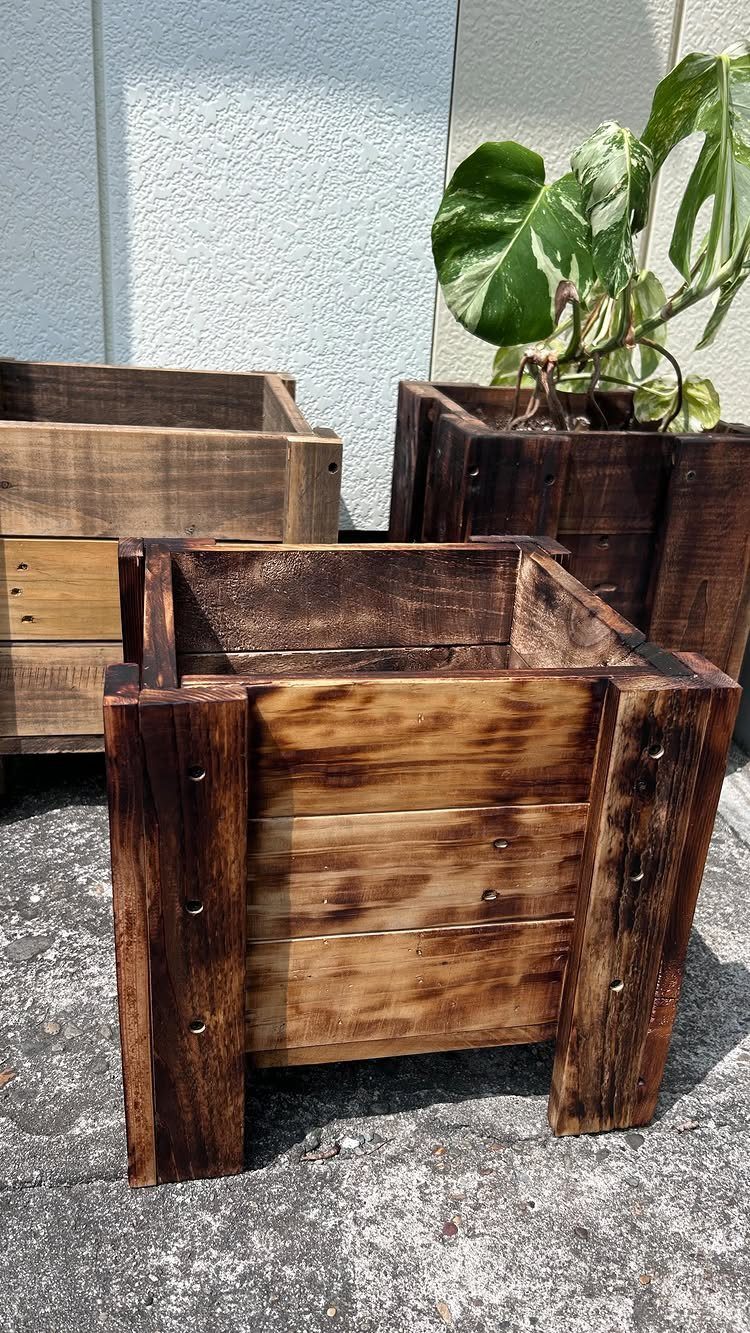
Three scrap wood planters on a patio started as cutoffs from a bigger build, which is why this idea works for anyone already doing carpentry.
A 1x board, brad nails, and wood glue are enough to box in soil without buying new lumber.
Size is up to you; I have seen these at 24 inches square with 4×4 corners notched to seat 2×4 rails.
A table saw handles most of the notch, though a reciprocating saw finishes the cut if the blade sits low. The middle brace keeps the long sides from bowing once damp soil presses out.
Paint or stain to match what you already have outside. One planter I built this way cost only in fasteners and a morning’s work.
You can make a planter that looks modern with the help of modeling paste, a stencil, and some tape—and you can do it all for around $10!


2. Cedar Fence Picket Planter Box
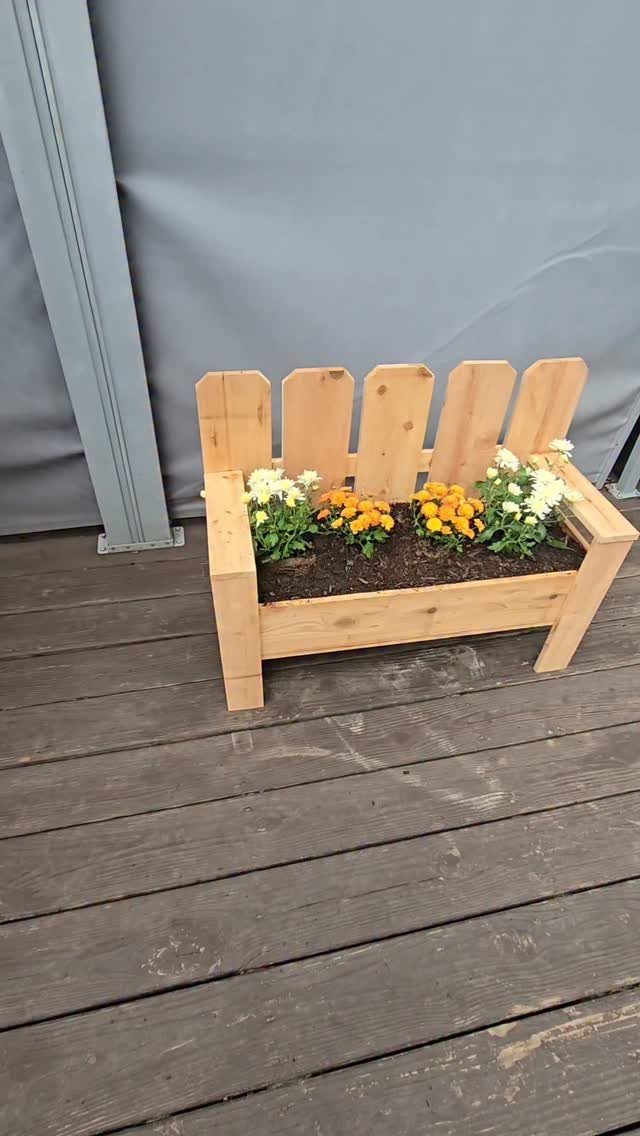
Cedar fence pickets are thin, cheap, and already rough-sawn to look like garden wood; that makes this the entry build for someone who owns a saw and a drill but has not yet built a box that holds dirt.
The pickets form the sides and the 1x boards frame the bottom and rim.
A brad nailer speeds it up, though screws work if that is what you have. Cedar weathers gray without paint, which saves a step and looks intentional by year two.
I would drop the nursery pots in as-is and pull them out when the season ends; 5-gallon buckets also slide right in.

1.【Size】: 16*8*6.5cm/6.3*3.15*2.55 inch, mini size.

Unique Rustic Design: This artificial flower pot features a wooden picket fence style that adds a charming pastoral atmosphere to any indoor or outdoor space, making it an ideal flower planter for garden decor or desktop display

Packaging Includes: the packaging consists of 4 sets of fence cube flowerpot boxes and foam blocks; The quantity is sufficient to meet your daily use and replacement needs; You can also share some with friends or family
3. Tiered Planter Box
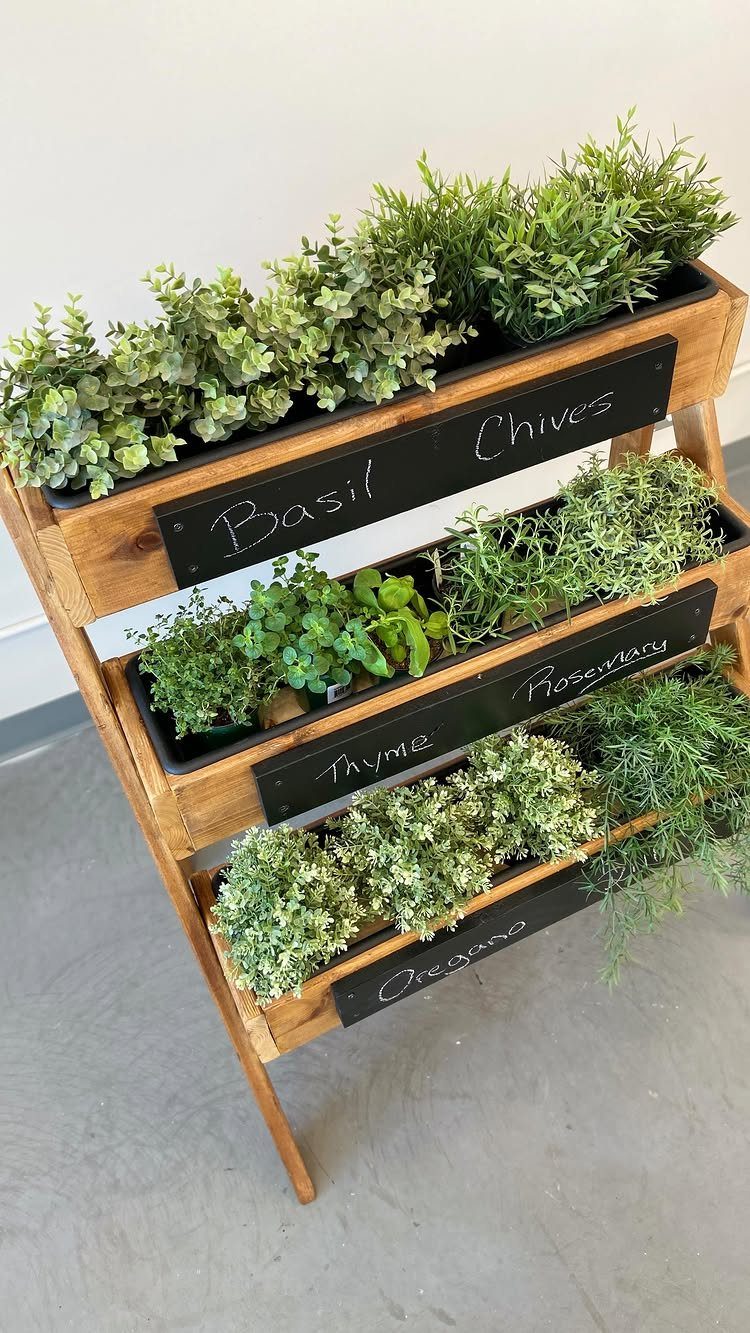
A tiered planter saves the bending and the square footage both; three levels of cedar boards let you grow herbs at ankle, knee, and waist height in one footprint.
Chalkboard labels are a nice touch if you change varieties often, though a Sharpie on masking tape lasts my household about half a season.
Build each box to nest inside the one below or stack on corner posts; cedar handles the damp without fuss.
The 5 ft by 3 ft medium size and 8 ft by 4 ft large size I have seen in garden layouts both came from mapping the bed placement with spray paint first, which I recommend doing before you cut anything.

Create a waterfall of flowers or herbs with our charming outdoor stacking planter

Raised Garden Bed: This raised garden bed is constructed of thick wood boards and solid wood legs for years of sturdy use.

【Material Description】The vertical raised garden bed consists of a sturdy metal frame and 3 plastic boxes (Dimension: 16.8 x 7 x 5.5 inches). It is lightweight, rust-resistant, and easy to move, making it a great choice for both indoor and outdoor use.
4. House Number Planter Box
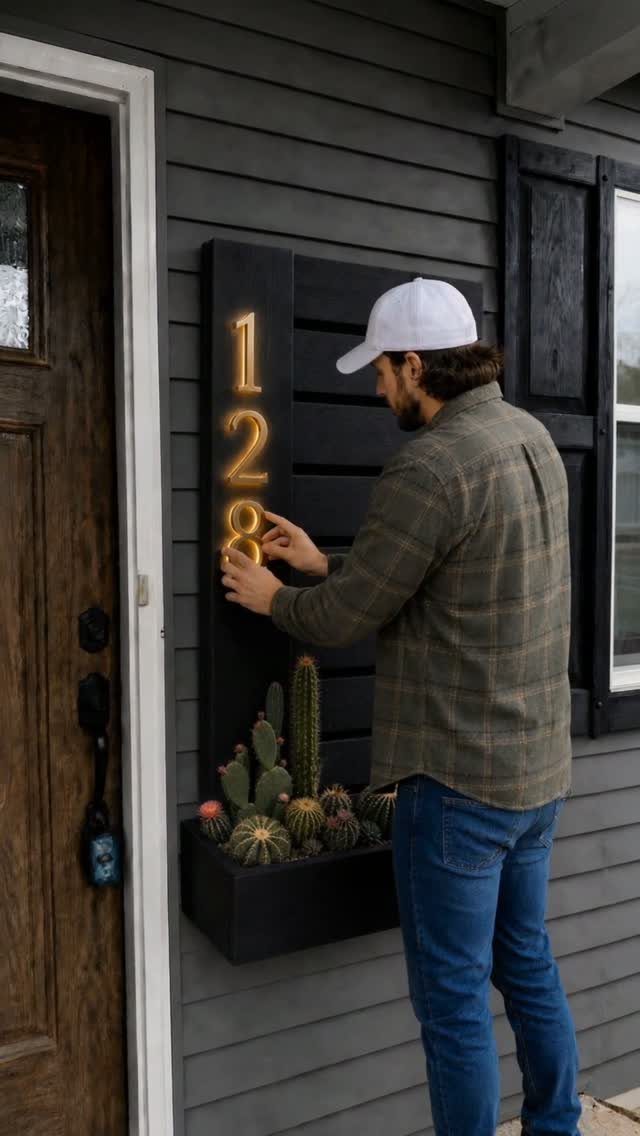
A planter that carries your house number turns the spot by the door into something alive instead of just a display of hardware-store digits.
A black vertical box reads modern; stain it warmer and the same build suits a cottage porch.
Cacti or succulents work best here, since the soil volume is shallow and you will forget to water when guests are coming.
Backlit numbers mean you are not guessing which entrance is yours after dark. I would mount the box at eye level and run the low-voltage wire inside the frame before planting, not after.

Premium Quality: Our house number sign is made of high-quality material, which is sturdy and durable for long-term use. This sign is easy to install and can withstand various weather conditions.

These House Numbers for Outside your Home are Perfect to Make you Stand Out from your Neighbors!
Premium Quality & Durable: Our address sign is made of high quality materials. The planter box is made of durable materials that is also weather resistant and will not crack or break in extreme temperatures.
5. DIY Outdoor Wall Planters
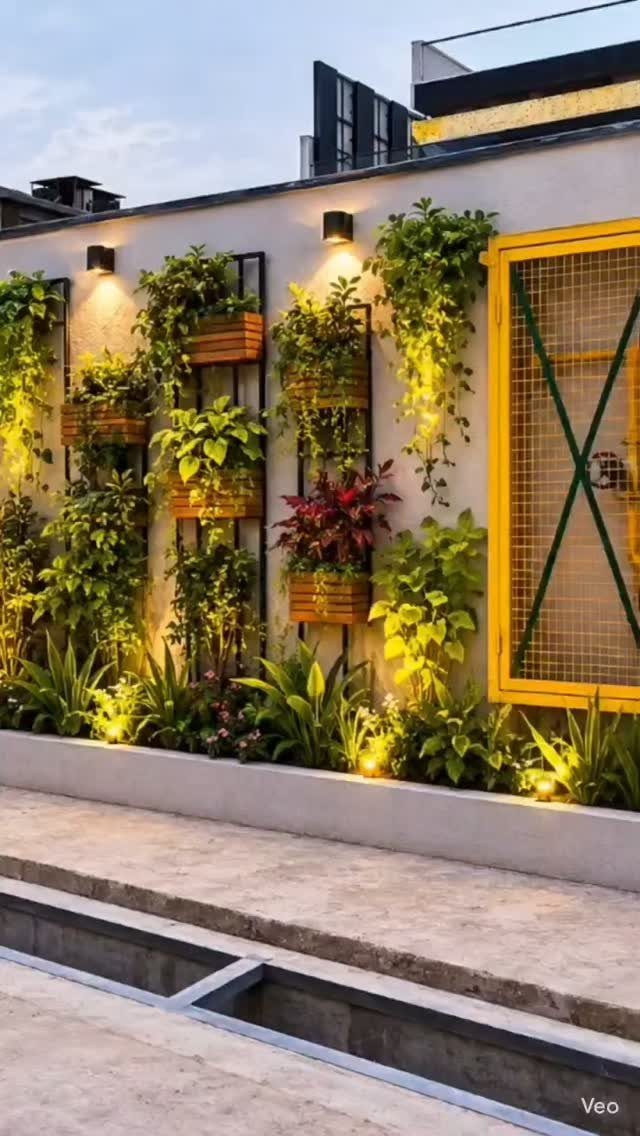
Wall-mounted planters buy back floor space on a patio that is already tight. Black metal frames with wooden slat boxes tiered inside become a feature after sunset when warm sconces hang above.
Before you drill into siding, check what is behind it: stud, brick, or stucco each wants a different anchor.
The scrap 1x boards need to be at least 10 inches long to hold root depth, with one 14-inch piece for the bottom tier if you are copying this exact stack.
Paint the frames a color that already appears on your house; a yellow gate nearby is doing that work.

Easy Woodworking Tools: Kreg pocket-hole joinery is the fast, strong, easy way to join wood-drill, drive, and done

PERFECT DIY TOOLS: Made of Aluminum, not rust or break.Mini pocket hole jig set, perfect for DIY home projects or professional and general commercial use;

【Accurate &Durable Design】- Pocket Hole Jig Kit is made of high quality and solid metal materials, will not rust or crack, and can easily drill oblique holes to make the joint perfect. At the same time, this fixture can create flush, angle and angle shapes Pocket hole connector for connecting legs and guide rails, building cabinets
6. Fence Picket Raised Planter with Bottom Shelf
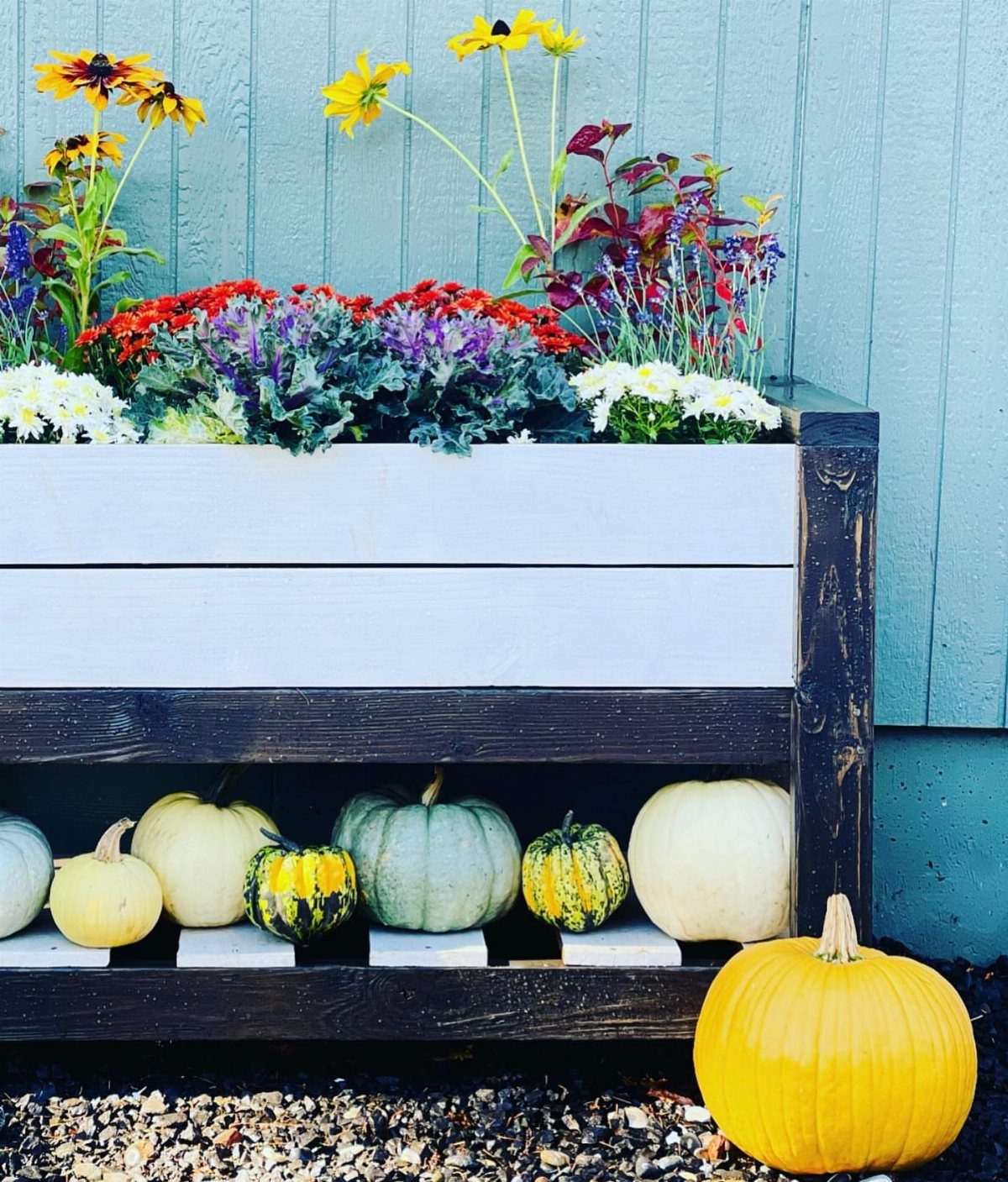
A raised planter with a bottom shelf puts flowers at a comfortable height and the clutter underneath.
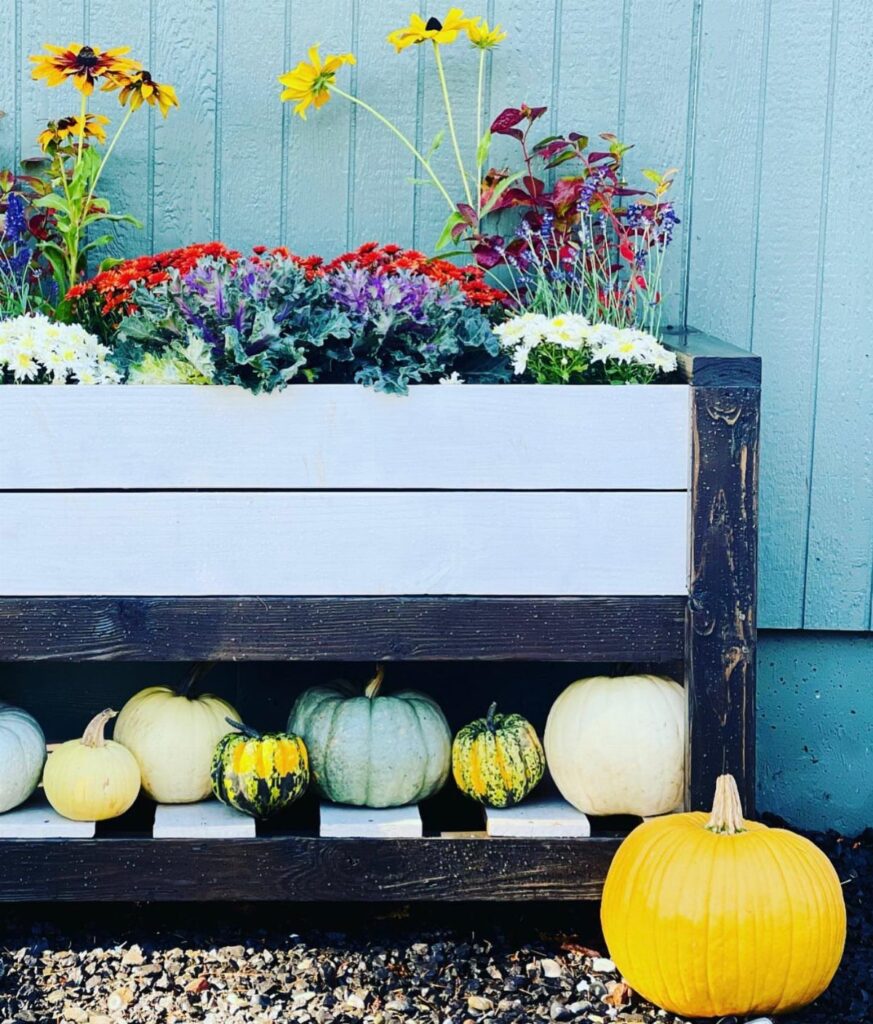
A two-tone build with pumpkins staged on the slatted shelf below kale and blooms uses that lower space as display, not storage, since anything loose will fall through.
Fence pickets and 2x4s frame the box, with a false floor partway down so you are not buying cubic yards of soil.
Brad nails and wood glue from the ends and sides hold the interior shelf; line the box with a heavy trash bag stapled inside if you are planting in dirt, or leave the plastic nursery pot in place and lift it out come frost.


2FT GROWING DEPTH: 24-in. depth holds up to 478 gallons of soil, ideal for medium to deep-rooting plants and vegetables such as broccoli and beans; bottom panel not included
7. Wooden Planter Bench
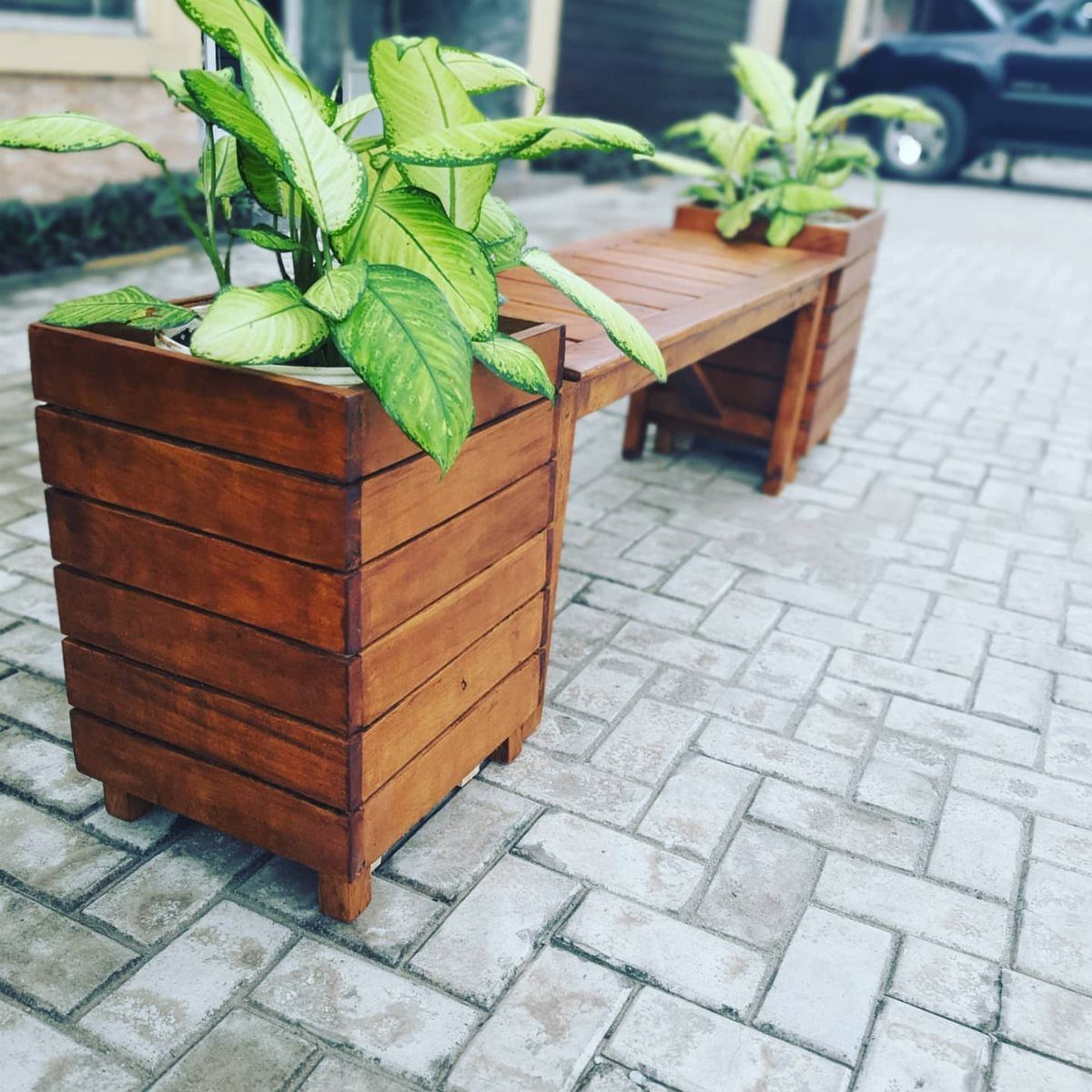
A bench with planters built into both arms gives you seating and growing space in one footprint on a patio. The build needs a saw, drill, and sander; safety glasses are non-negotiable when you are cutting boards that wide.
The bench section in the middle can be left out if you only want the planters.
Stain the wood to match existing outdoor furniture, or let cedar weather gray. I would check the finished height against your table before cutting anything; the seat height depends on how tall you build the planter walls.
Planters this size hold enough soil for leafy greens or annual flowers, not deep-rooted tomatoes.

Charming Picket Fence Design: perfectly mimics the classic, cozy look of a white country fence; instantly adds a warm, inviting rustic farmhouse or cottagecore visual temperature to your windowsills, desks, or patio decor

Minimalist aesthetic: the wooden fence flowerpot features a simple design that fits well with any home decor, adding a natural touch,wooden picket fence flower pot,fence pot

🪵 Solid American Cedar: Crafted from untreated 100% solid American cedar boards, it is ideal for growing vegetables, herbs, and flowers.
8. Raised Garden Bed
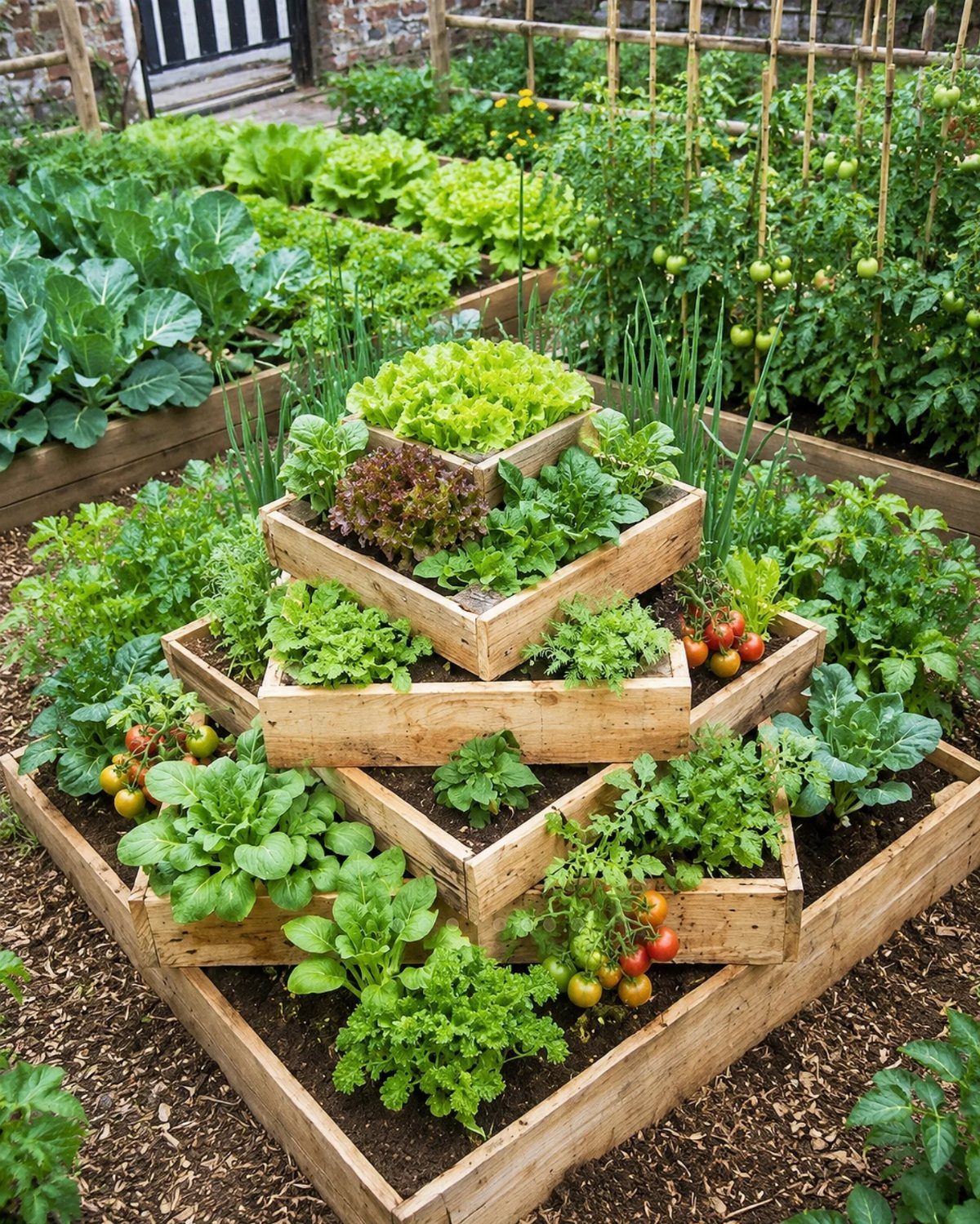
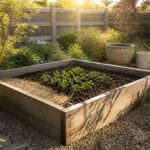
A raised bed built tall enough to layer from the bottom up saves both your back and the cost of filling the whole box with topsoil.
Start with branches and scrap wood at the base, then cardboard, then leaves and grass clippings, and finish with soil on top. The organic matter breaks down and feeds what you plant.
Redwood or treated 2x4s frame the sides; corrugated metal sheets with cedar pickets make a faster build that sits on a deck or lawn without rotting through. Level the ground first or the water runs to one corner.
A pyramid tier lets lettuce and herbs cascade from the top while tomatoes take the wider base.

【Perfect Design】: The 3-tier planter box design will not take up too much floor space, which can separate and organize the sections as well as grow different kinds of plants. In addition, the trapezoidal design allows all plants to enjoy full sunlight for better growth. The box bottom of each tier is equipped with drainage holes to help drain excess water and prevent root rot.

【 Sturdy Fir Wood Structure 】 The elevated planting box is crafted with natural fir wood, which is not easy to deform or crack, offering durability and longevity. Additionally, reinforced wooden battens and strong support legs provide a reliable structure.
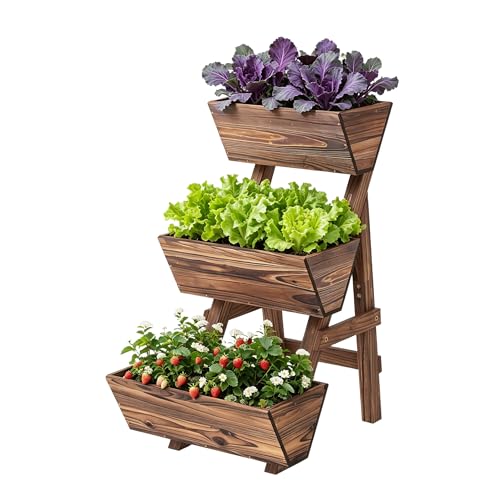
【Space-Saving 3-Tier Design】: The 3-tier planter box design will not take up too much floor space, which can separate and organize the sections as well as grow different kinds of plants. The trapezoidal design allows all plants to enjoy full sunlight for better growth. The box bottom of each tier is equipped with drainage holes to help drain excess water and prevent root rot
9. Vertical Garden Planter
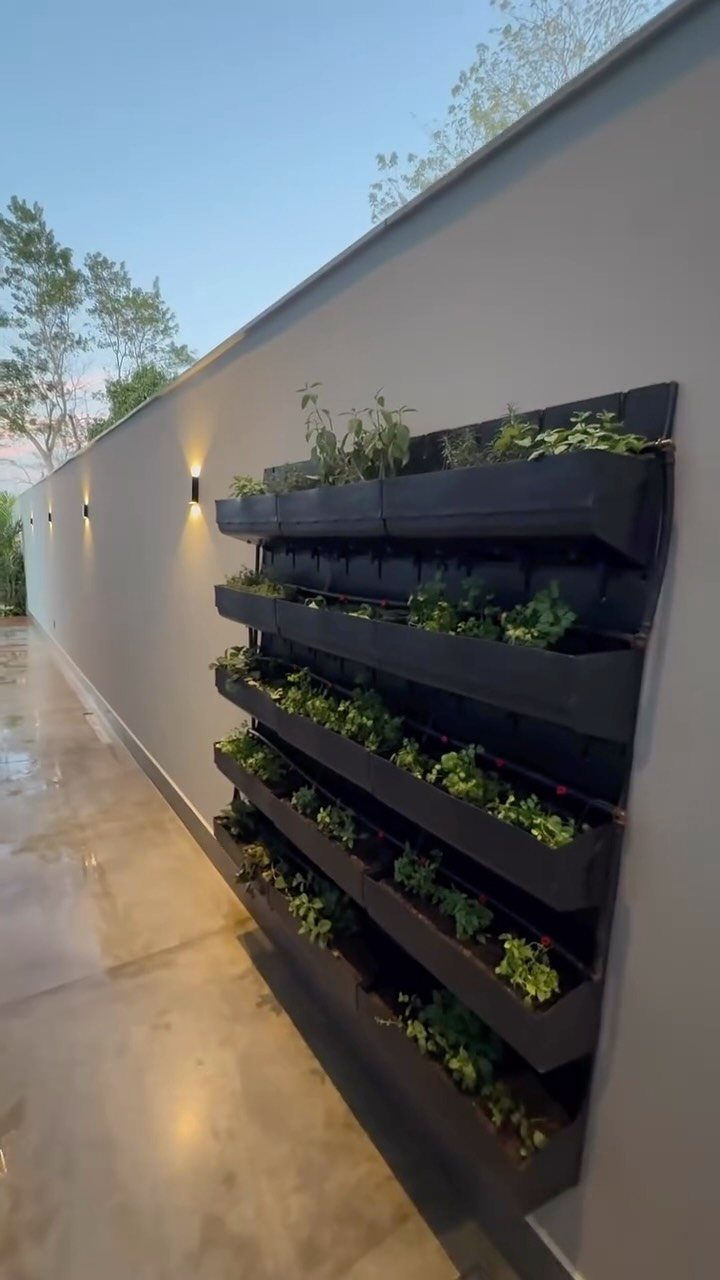
A wall-mounted stack of boxes tilts slightly forward so soil and water stay put; brackets and a pocket-hole jig hold the frame to siding or fence boards.
Cedar 1x boards keep the weight down, which matters when you are drilling into something vertical.
Each box needs enough depth for herbs; a couple extra inches handles small lettuces. Sconces above turn the wall into something you notice after dark, though running low-voltage wire is easier before you mount the planter.
Balconies and narrow walkways are where this pays off; ground space you do not have becomes growing space you do.

Premium Quality & Durable: Our address sign is made of high quality materials. The planter box is made of durable materials that is also weather resistant and will not crack or break in extreme temperatures.

【High Visibility】Address sign equipped with 4 sets 2.5 inch numbers of 0-9, The number sign will help your visitors, couriers and emergency vehicles to find your house easily.

vertical Address Planter: Personalized metal address signs are made from high-quality steel. Precision cut and welded by our craftsmen, this personalized modern address sign is more weather-resistant than regular wood and will retain its original look for many years to come luster
10. Self-Watering Planter
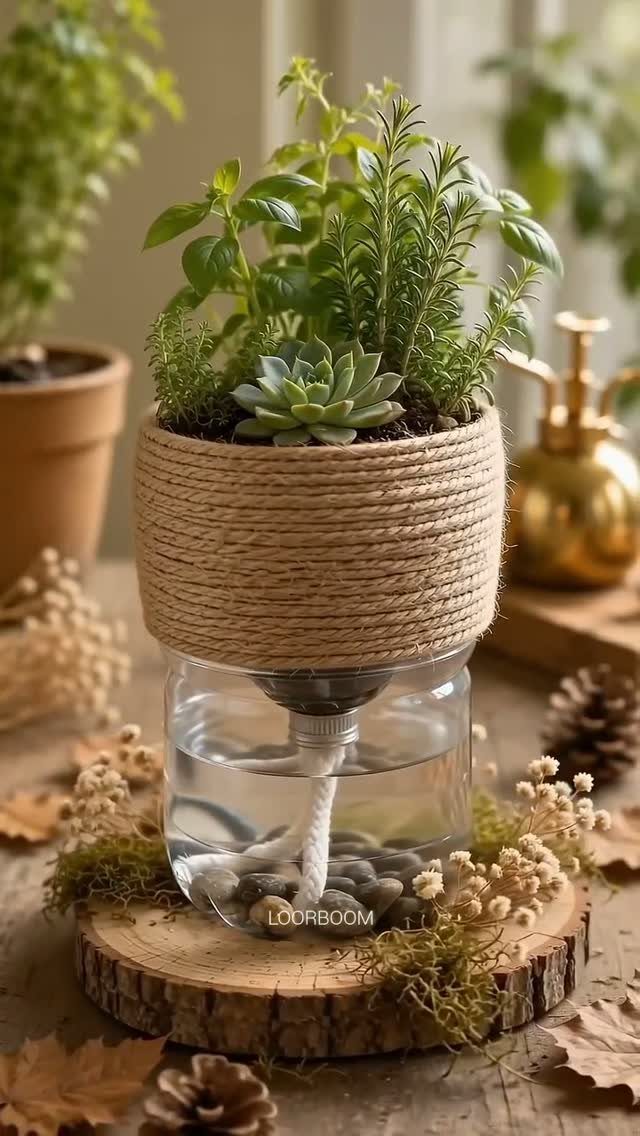
A reservoir below the soil and a wick that draws water up by capillary action buys you a weekend away without wilting.
Wrapping a glass or plastic container in twine gives the same self-watering principle a different look, and it scales to a wooden box with a hidden basin.
Build the box with 1x and 2x boards, drilling a fill tube through the side so you are not lifting the planter to add water.
A plastic sheet between soil and reservoir keeps the roots from drowning; leave an air gap so the wick can breathe.
Leafy greens work best here, since they drink faster and show you sooner when the reservoir runs dry.

Pocket-Hole Jig XL: Engineered for extra-thick material from 1-1/2 in to 3-1/2 in, ideal for 2x lumber and structural builds

【High Quality】The pocket screw jig is made of high quality aluminum alloy. It's durable and won't rust or crack. The equipped cutter head has perfect performance, sharp and burr-free. Ideal for building train tables, workbenches, entry hutches, bookcases and dressers and more

POCKET HOLE SET: Our easy-to-use tool creates corner and angle pocket hole joints for leg-and-rail connections, building face frame cabinets, sneaking screws into tight spots, and securing picture frames, with unlimited applications.
Cost-effective Materials
Scrap wood from a bigger build, cedar fence pickets, and corrugated metal sheets are the materials that keep these projects cheap.
The real savings come from using what you already have access to. Treated 2x4s for raised beds cost more than scrap but last years longer than pine in ground contact.
Simple Construction Techniques
A pocket-hole jig appears only for the vertical garden planter, where angled screws hold the frame to a wall.
The techniques repeat across projects, which means skills transfer. Notching 4×4 corners for the scrap wood planter teaches the same table saw work that raised beds later require.
Lining a box with a stapled trash bag shows up in 2 entries; once you have done it for fence pickets, the raised planter with shelf needs no new learning.
Safety glasses matter when cutting wide boards for the planter bench. That is the only safety note that stands alone; everything else assumes you already know to keep fingers clear of blades.
Customization Options
Size and placement are the first choices.
House number planters shift from modern to cottage with only the stain color changed. The bench seat height depends on matching your existing table, not on a standard dimension.
Paint and stain are the cheap customizers. Black metal frames for wall planters pick up a color already on your house; the yellow gate example shows how that coherence happens without planning.
Labels change with the season.
Layering for Cost Savings
Layering fills the bottom of a deep box without buying topsoil for the whole volume.
This works for any planter tall enough to have dead space below root depth. A false floor partway down the fence picket raised planter does the same job for a different reason, holding the display shelf while hiding the structure.
The principle is the same: do not pay for soil where roots will never reach.
Cardboard suppresses weeds if your box sits on lawn; the branches create air pockets that keep the lower layers from compacting into anaerobic sludge.
I would check the box after one season to see how much the fill has settled, then top off with more soil before replanting.
Frequently Asked Questions
Is it cheaper to buy or make planters?
Making your own is usually cheaper, especially if you already have scrap wood from another build. A planter knocked together from scrap lumber runs you the price of screws and a few hours before noon.
Even buying cedar fence pickets new runs less than finished store planters, and you size them to your space instead of accepting what is in stock.
Is it cheaper to build or buy a raised garden bed?
You can halve the soil bill by stuffing the base with sticks, flattened boxes, and last fall’s leaves before the dirt goes in.
Redwood or pressure-treated two-by-fours form the walls and hold up against rot far longer than pine once they touch the ground.
A false floor partway down does the same job for a raised planter with a shelf, hiding structure while you display pumpkins or tools below.
What type of wood do you use for a planter box?
Cedar, redwood, and treated 2x4s are the common choices. Cedar weathers gray without paint and handles damp soil without fuss; redwood or treated 2x4s frame raised beds and resist rot in ground contact.
Scrap 1x boards work for smaller boxes if you already have them, though they will not last as long as cedar or treated lumber outside.