These ideas move from the cheapest setup, a mason jar on a windowsill, up to a full indoor growing tower with its own lights, so you can match what your space actually gives you, light and square footage both.
A mild soap solution takes care of spider mites and aphids when they show up, and I would test clip-on fans for noise before committing to more than one shelf.
[link-whisper-related-posts]1. Grow Lights
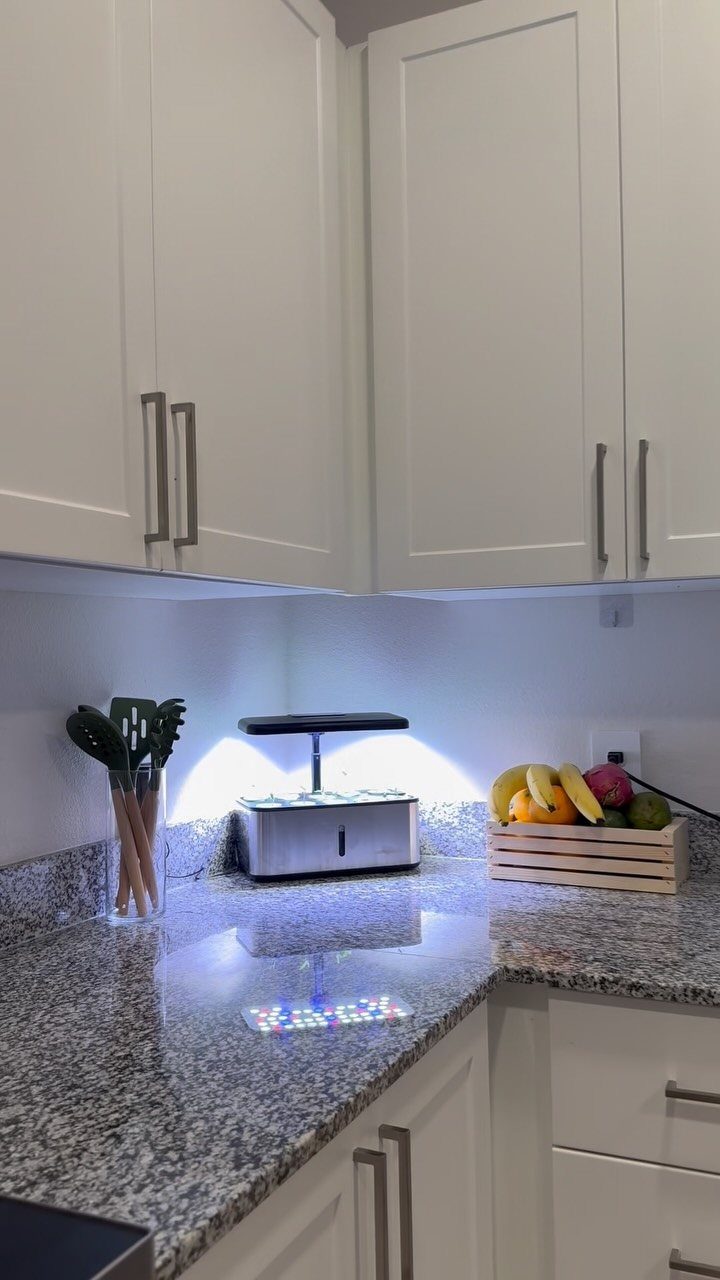
A compact LED grow light can turn a dim kitchen corner into a working herb garden. Oregano, mint, thyme, and rosemary all want what they get outdoors: bright light for most of the day, direct sun included.
South or east windows give that best. Rotating the pots every few days keeps growth even on all sides.
When the only window faces north or a building blocks the sun, supplemental light fills the gap.
A small grow light unit with multiple pods fits enough cooking herbs for a household without eating counter space. I would look for full-spectrum LEDs rated for edible plants; cheaper novelty bulbs leave herbs leggy and weak.

6000K White Light - equipped with 10 Red + 74 White LEDs, this growing Lamp is similar to the full-spectrum sunlight at noon,that is professionally designed for indoor garden plants.Moreover, its color rendering index is as high as 95, the light is soft and flicker-free, which is very suitable for reading lamp
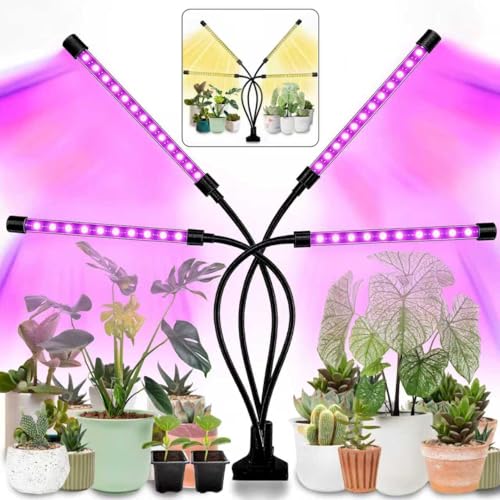
🌻Efficient LED Combination: This LED lamp has grow lights made up of 80 efficient growing LEDs ( 32 red lights, 12 blue lights,20 yellow lights and 16 white lights). It meets the conditions of plant growth without sunlight. 1--Full Spectrum(380nm-800nm): Suitable for all plants to root and sprout. 2--Red(660nm)+BLUE(460nm) Spectrum: for blooming and fruits. 3--Red+Blue+Full Spectrum: A mix of Red+Blue+Warm White is best to fuel the growth of your plants.

New Wood Grain Design: Made with unique craftsmanship, this imitation wood grain color plant light can either illuminate plants or be used as an indoor decorative light, perfect for a variety of environments such as rooms, living rooms, offices and indoor gardens. The stylish design combines practicality and elegance for any space.
2. Harvest Seeds
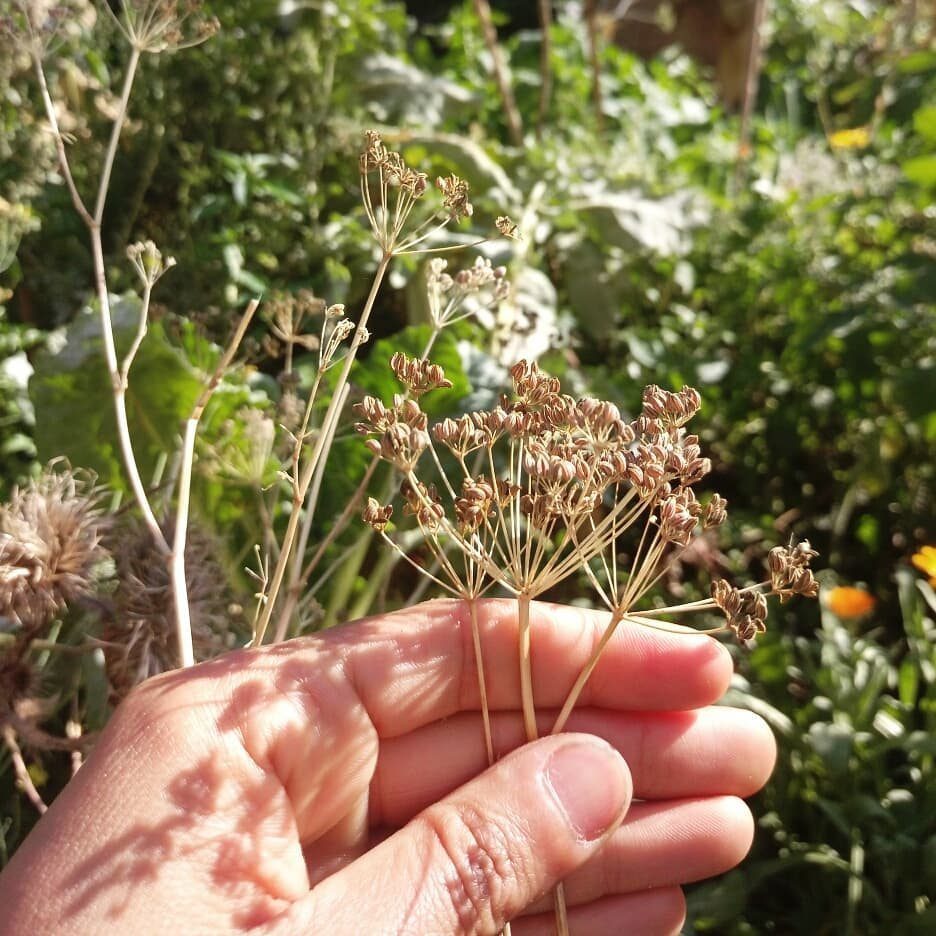
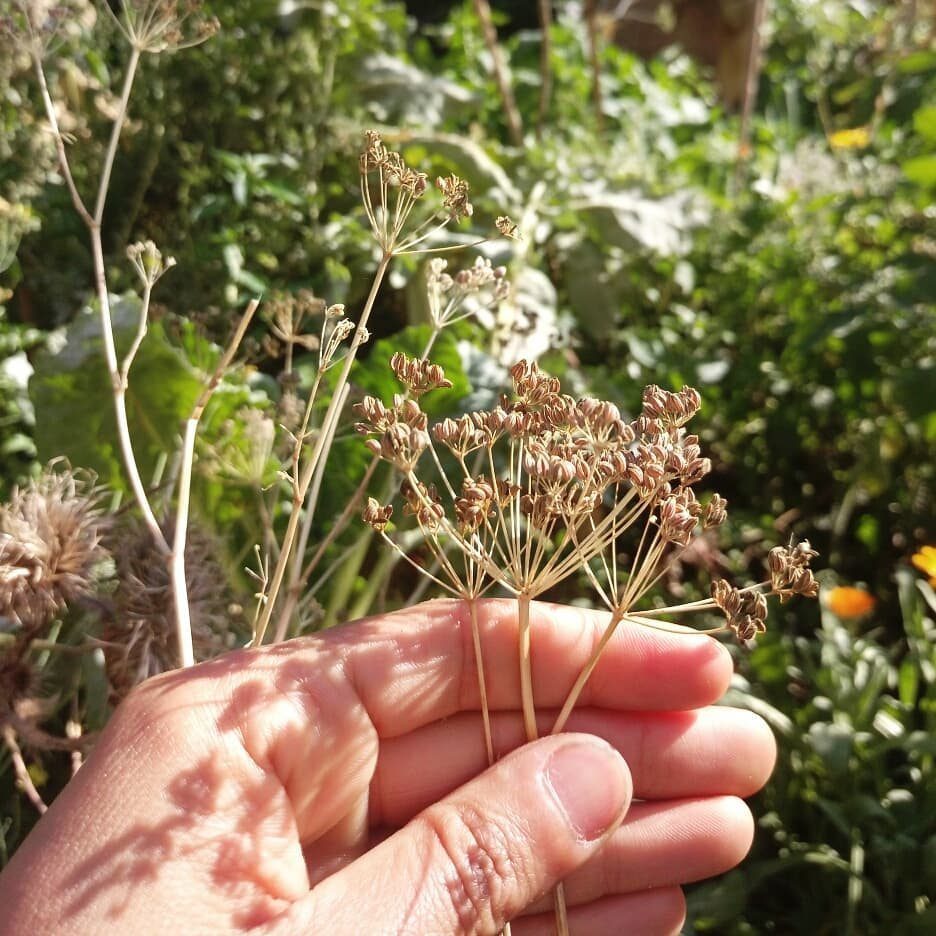
Dried seed heads from dill, fennel, or cilantro let you skip buying packets next spring. The umbels turn brown and brittle on the plant; that is the right moment to collect them, before they drop on their own.
I rub the seeds free over a plate, winnow out the chaff by tilting it in a light breeze, and store them in labeled paper envelopes in a cool cabinet.
This suits anyone who grows annual herbs and has a few minutes at season’s end.
The seeds keep for multiple seasons if they stay dry. One plant usually yields more than a single gardener needs, so I often trade extras with a neighbor who saves different varieties.

Comprehensive 12 Piece Set: this hydroponic herb planting kit provides a comprehensive 12-piece set, includes 12 mason jars, 12 planting baskets, 12 pre-seeded growing plugs, and 12 water absorbent cores to meet all your planting needs

🌿 Grow Fresh Lemon Cilantro Indoors: Lemon cilantro is a fragrant herb with a bright citrus aroma and fresh cilantro flavor. Perfect for garnishes, tacos, salsa, and fresh kitchen herbs.
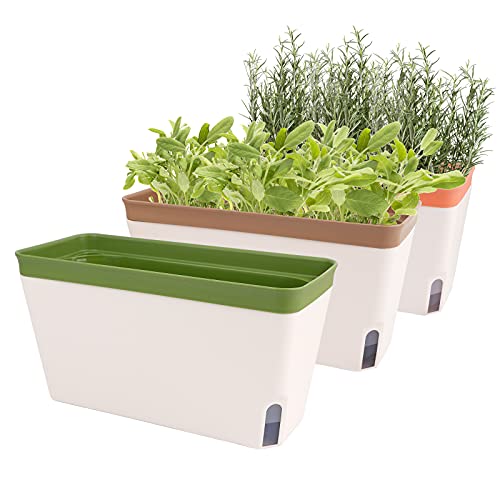
SELF-WATERING PRINCIPLE: Through two absorbent cotton ropes, the self watering pots provide water to the soil and keep the soil moist through the principle of osmosis, without having to water the plants regularly. Even if you leave home for a few days, it can help you take care of the plants and avoid plants die from water shortage.
3. Container Gardening
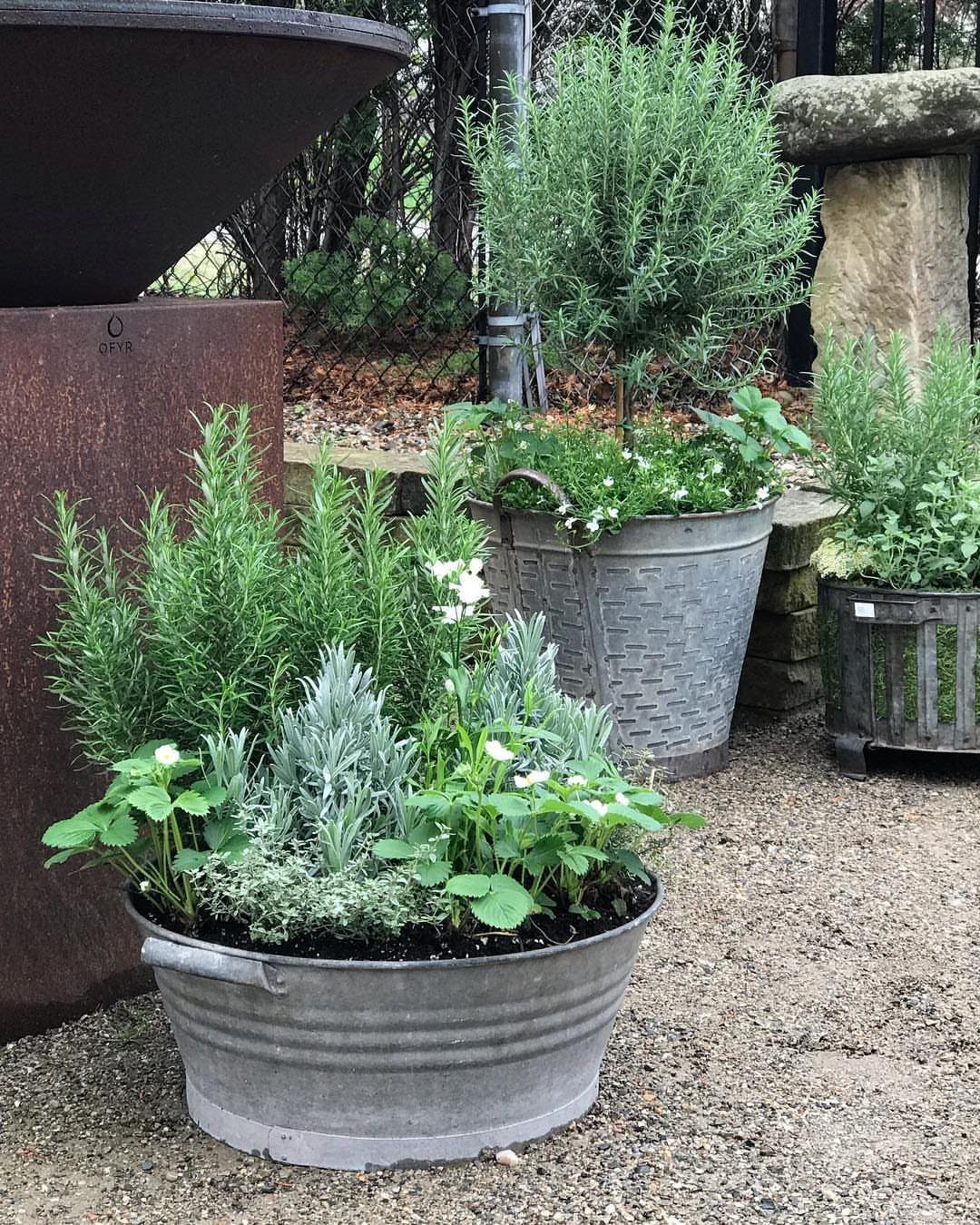
Galvanized tubs and plastic buckets on a gravel patio move wherever the sun shifts. That mobility matters on balconies where buildings cast afternoon shadow, or when a heat wave means shifting tender basil to partial shade by noon.
Rosemary and lavender, visible here, both need sharp drainage; I would drill extra holes in any container that lacks them rather than hope for the best.
Soil dries faster in pots than in ground beds, so herbs in containers need water more often.
Control is the real benefit: you choose the soil mix instead of fighting clay or rocky ground. A lightweight potting mix with perlite works better than garden dirt, which compacts and suffocates roots.

EASIER SEED STARTING: Our Burpee SuperSeed tray with 36 flexible pop-out cells is designed to simplify indoor seed starting for all your favorite vegetables, flowers and herbs. Just add seed starting mix, seeds, water and light to get growing! Rows are labeled alphanumerically for seedling identification with included Plant-o-Gram diagram. Tray dimensions: 11.5" x 10-3/8" x 2-1/4"

【Value Package】The kit contain 4 pcs base trays, 4 pcs seed trays with 12 cells in each, 4 pcs humidity lids with dome, and 50 pcs peat pellets, not need soil to fill the cells, help you keep clean and tidy when planting, and creates a moist and warm environment needed for seed germination.

ALL-IN-ONE SEED STARTING KIT: Includes 36 peat pellets, reusable plastic tray, and humidity dome for a complete indoor seedling starter kit experience
4. Mason Jar Windowsill Herb Garden
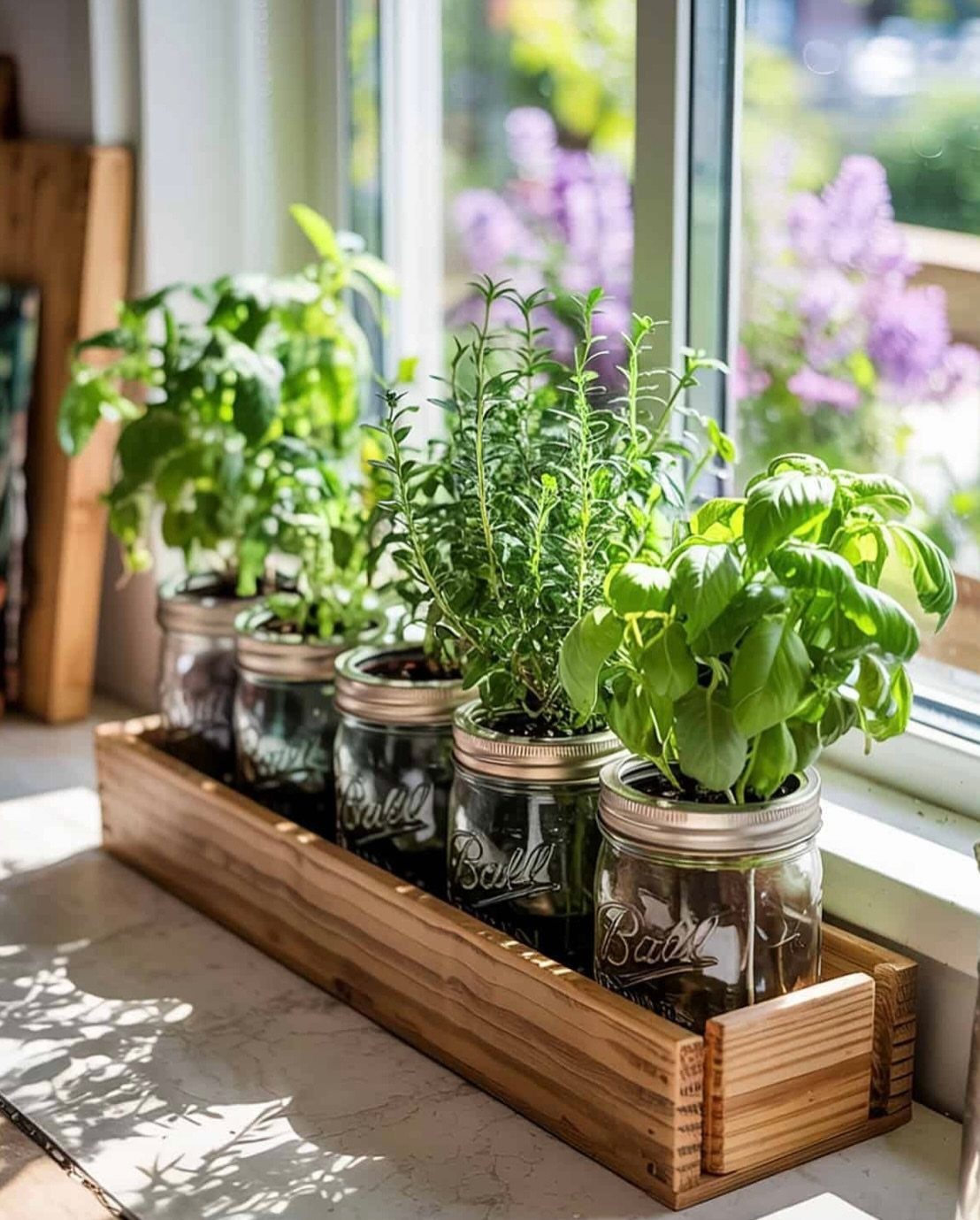
Mason jars in a wooden trough turn a windowsill into a small herb station. Basil and rosemary both want several hours of direct sun daily; basil prefers even more.
A south-facing sill works best. The jars have no drainage, so I water sparingly and let the top layer dry completely between drinks; a layer of charcoal helps with any standing water at the bottom.
Fast-growing leafy herbs suit this setup best: basil, cilantro, chives, dill, mint, or parsley. Slower woody plants like rosemary outgrow the space faster than they are worth.
Fine seeding soil, not garden dirt, gives seedlings the light texture they need to push through. Cover the jars with newspaper until sprouts appear, then remove it.

【Indoor Herb Garden】Experience the joy of gardening with our specialized indoor herb planter. This set includes a planter with a tray but does not come with plants and seeds. Designed specifically for herb cultivation, these planters can be used both indoors and outdoors. Crafted from durable metal with a sleek, glossy white finish, they blend functionality with a farmhouse style to enhance your living space.

Right Size - The 6-Pack 4-Inch Indoor Plant Pots are ideal for small indoor and outdoor Plants and flowers, such as Orchids, aloe, snake plants, peace lilies, ZZ plants, succulents, mint, cacti, and herbs.

Complete Set of 4 Flower Pots with Saucers: Enjoy an amazing value of 4 Retro antique imitation plant pots that include unique drainage holes and saucer trays. These plant pots outdoor are available in small medium and large size for flowers, orchids, herbs, cactus, peace lily, snake plant, succulents, and a variety of other plants in the house and workplace, as well as on the patio and porch
5. Indoor Hydroponic Growing Tower
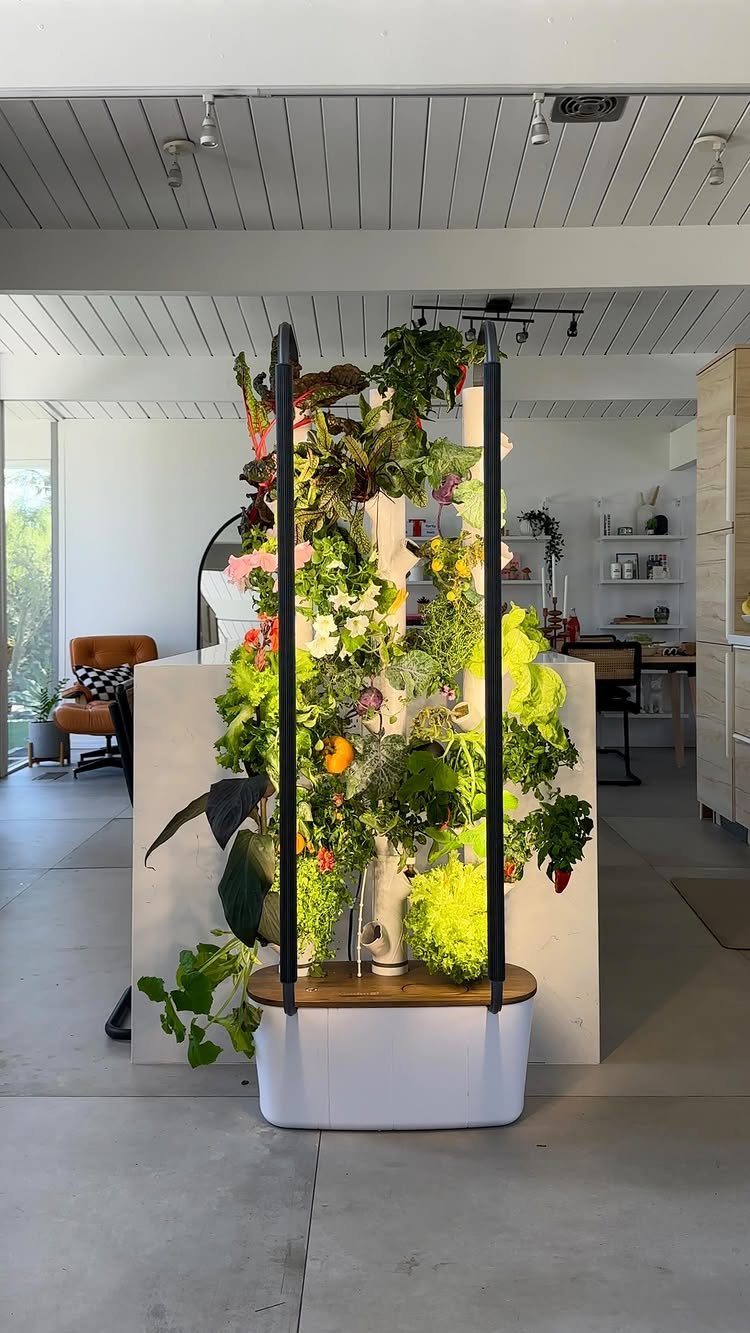
A vertical hydroponic tower fills the gap between countertop gadget and full indoor garden. A hydroponic tower stands beside a kitchen island, drawing from a reservoir at its base and cycling nutrient water through stacked planting ports.
No soil means no mess on the floor if something tips, and the closed system uses less water than pots.
This suits cooks who want year-round basil or leafy greens without tending multiple containers. The footprint is narrow, but the height needs ceiling clearance and the pump runs quietly, not silently.
I would place it where a low hum does not carry into a bedroom. LED panels built into the tower replace window light entirely, so it works in interior rooms with no sun at all.

READY-TO-USE CONTACT SPRAY: No mixing required. Thoroughly spray insecticide on all plant parts, including the underside of leaves. Pests must be sprayed directly to achieve control
GENTLE ON MOST PLANTS - This aphid spray is ideal for use on flowers, herbs, vegetables, houseplants, lawn, tree, shrubs, and more

GARDEN PEST CONTROL AND FUNGICIDE: Ortho Insect, Mite and Disease 3-in-1 Ready-to-Use outdoor disease and bug spray is a garden disease and pest control product kills aphids, spider mites, Japanese beetles, whiteflies and other listed insect pests
6. Herb Propagation in Water
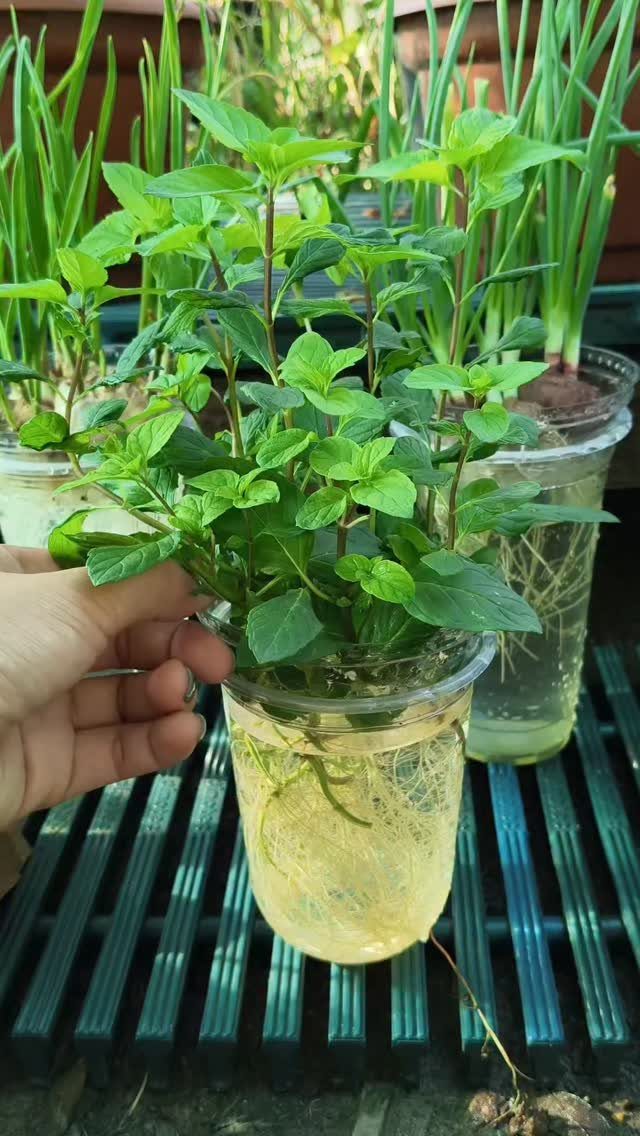
Mint cuttings in a plastic cup of water show roots thick enough to plant in soil.
This is the simplest way to multiply herbs: snip a stem just below a leaf node, strip the lower leaves, and set it in room-temperature water out of direct sun.
Roots appear within a couple weeks for mint; basil and oregano take roughly the same time. Woody herbs like rosemary root slower and less reliably this way.
Change the water every few days to keep it fresh. Once roots reach a healthy length, transplant to potting mix or the garden.
I keep several cups going on a kitchen windowsill as insurance; if one fails, another is ready. This costs nothing but patience and suits beginners who want more plants without buying more pots.

NOTE: The product stand needs to be pressed down by the flower pot to be stable. Not wireless style. 2 Installation Methods: Specially designed plant light for indoor plants, which can be inserted in the soil or stand for lighting.Unique and easy to assemble and disassemble.
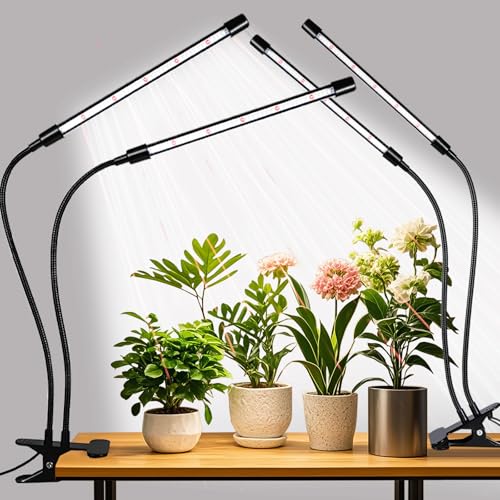
【Upgraded Full Spectrum】Eqqiuped with 5 Red+37 Sunlight White LEDs in each bar, which is similar to the sunlight at noon to meet the needs of various plant growth processes. 6000K LED grow light with high efficiency and high PPFD, providing flicker-free and soft light.

Dual Installation Options: Effortlessly insert the stake directly into soil or use the base (secured by your pot’s weight) for stability with setups. Perfect for pots of all sizes! Unique and easy to assemble and disassemble.
7. Airflow Fans for Indoor Shelves
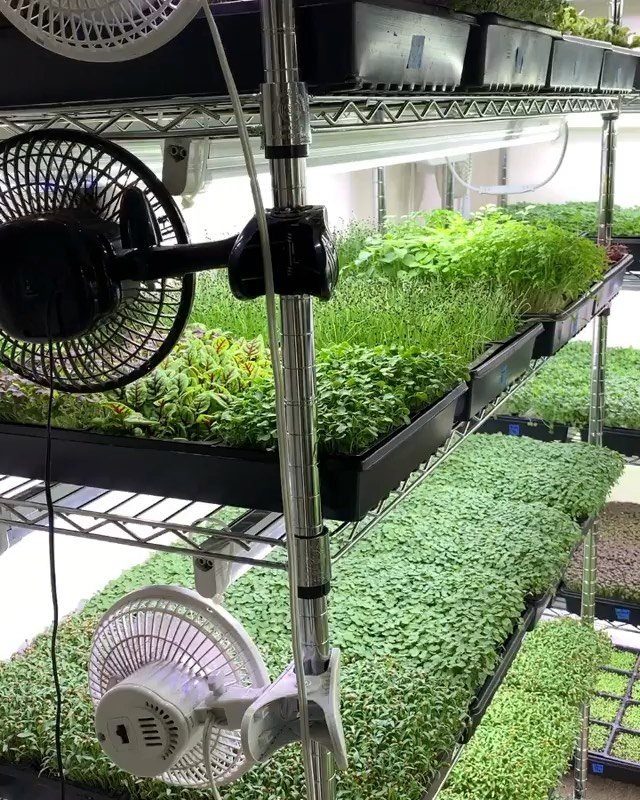
Stagnant air invites mold on soil and weak stems that flop before they can be cut.
Two small clip-on fans, visible here, move just enough to keep seedlings sturdy without drying them out. I would point them across the shelves, not directly down onto the leaves, and run them on low.
The fans need a power source within cord reach; battery-powered versions work for shelves far from outlets.
Noise adds up in a small kitchen, so I would test the decibel level before committing. This setup suits anyone running more than one flat of herbs under lights in a closed room.

Comprehensive 6 Garden Growing sets: this hydroponic herb planting kit provides a comprehensive 6-piece set, includes 6 mason jars, 6 planting baskets, 6 pre-seeded growing plugs, and 6 water absorbent cores to meet all your planting needs


Hydroponic Herb Garden Planter Indoor: this 8-piece indoor herb garden kit includes 2 wooden trays, 8 planting baskets, 8 grow plugs, 8 glass vases and 8 water-absorbing wicks, designed specifically for indoor herb cultivation; The transparent glass planter terrarium allows easy monitoring of plant growth while adding a modern, decorative touch to your home or office
8. Vertical Potted Herb Shelf
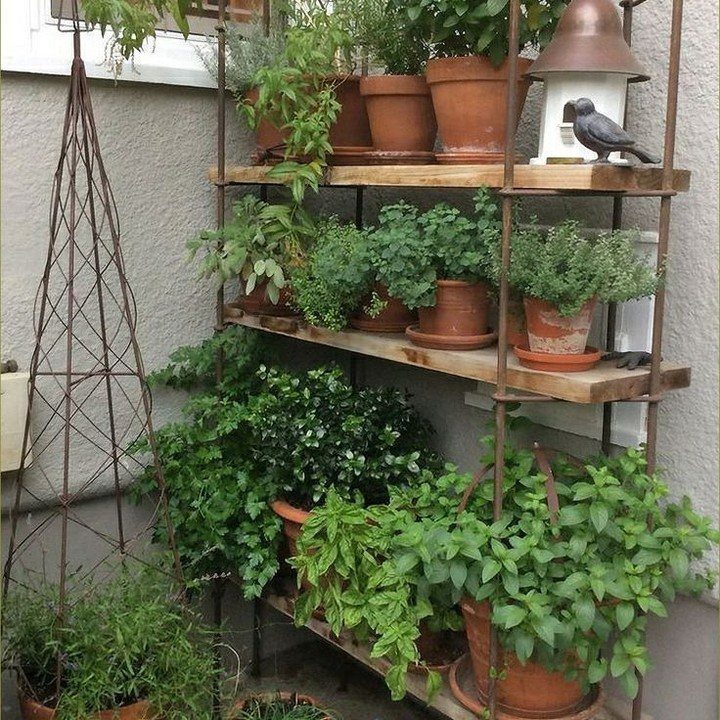
A metal-framed shelf with wooden slats steps herbs up a wall instead of spreading them across a patio.
Terracotta pots sit on each tier, their weight steadying the unit against wind. The wall behind it, visible here, reflects heat that helps Mediterranean herbs like rosemary and thyme.
Before loading it, I would check that the feet sit level; a tilted shelf dries unevenly and risks a cascade of broken clay.
The narrow footprint frees floor space on small patios or balconies. Full sun on the wall side works for most cooking herbs; partial shade suits cilantro and parsley in hotter zones.
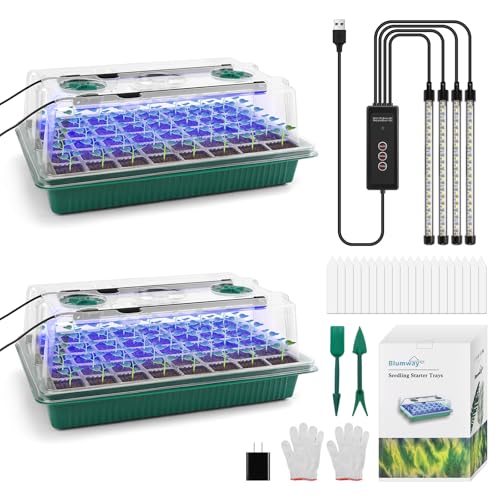
【360°Spectrum Seed Starter Tray with Grow Light】 The Larger 360°full-spectrum plant grow light in our seed start tray promotes healthier roots, faster germination, stronger seedlings. Seed starter kit with 4 full spectrum strip, mounted on the dome of garden plant starter kit. White & blue grow light helps seedlings grow faster and healthier. 3 lighting modes, 3 timer settings (3H/6H/12H), 5 brightness modes fully adjustable to your plants' needs. Your journey from seed to harvest starts here!

EASIER SEED STARTING: Our Burpee SuperSeed tray with 16 extra-large flexible pop-out cells is designed to simplify indoor seed starting. Just add seed starting mix, seeds, water and light to get growing! Rows are labeled alphanumerically for seedling identification with included Plant-o-Gram diagram.

Package Includes: You will get 55 pcs 30mm peat pellets. They are compressed, round in shape and expand when water is added, making them ideal for seed germination
9. Transplanting Herbs Into Garden Beds

A pot-grown herb moved to open soil gains root room and often doubles in size within weeks.
The basil here, already 6 inches tall, could be pinched back for fuller branching the day it goes in. I would harden plants off for a week first: a few hours of outdoor shade, increasing daily, so leaves do not scorch.
Dig a hole no deeper than the root ball, but twice as wide, to loosen surrounding soil for new roots. Water the pot well an hour before tipping it out; dry roots tear.
Evening planting beats midday heat stress. This suits anyone with even a narrow garden bed who wants herbs that survive past a single season in a container.

MOBILE GARDEN ON WHEELS — Two all-terrain wheels and an ergonomic handle let you roll a 200+ lb planted bed wherever sunlight goes. Move your garden across patio, balcony, or backyard in minutes.

【Large Planting Space】 Add the 43.5” x 16” x 14” (L x W x H) flower bed to your garden. It offers you a large capacity to keep a diversity of plants. Also, it can not only change space layouts, but also bring an elegant vibe that comes from stunning wood grains & delicate polygonal connectors.

【Self Watering Plant Pots】Our Plant Pots are set of 8 pieces, and the size of the pot is about L17 x W7 x H6 inches, it is large enough to support any projects and ideas. Please note that plants in the images are not included! Perfect for growing all kinds of plants, like herbs, flowers, foliage, grass, cactus, succulents, ferns, arborvitae and more.
Pest Control Methods
Spider mites, mealybugs, and aphids are the usual suspects in an herb garden.
Keeping conditions right, which the list entries already cover, stops most infestations before they start. When pests do show up, a mild soap solution sprayed weekly knocks them back without leaving residues on leaves you will eat later.
Watch for discoloration; that means the mix is too strong and needs diluting. Rinse before cooking with sprayed herbs.
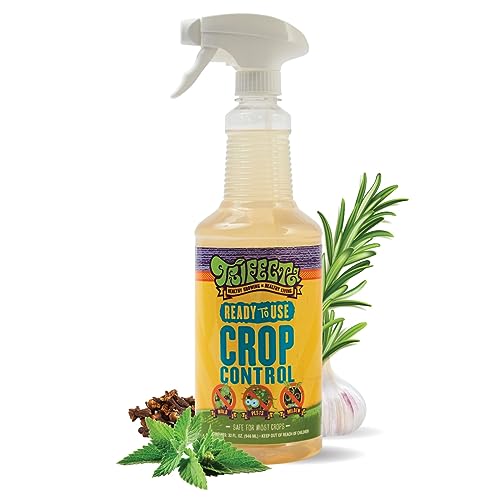
CROP, GARDEN & HOUSEPLANT INSECT CONTROL. Trifecta Crop Control all-natural, plant-based formula effectively combats destructive spider mites, aphids, whiteflies, fungus gnats, and other soft-bodied pests on indoor and outdoor plants. Our biodegradable, eco-friendly solution is safe for use on edible crops, without chemical residues. Our gentle yet potent plant spray suffocates and dehydrates pests without harming beneficial insects or the environment, making it ideal for organic gardening.

【FAST ACTION & THOROUGH KILL】: EcoVenger's Ready-to-use plant bug spray is designed for most grown plants, instantly targeting and wiping out horticultural insects on contact—perfect for both outdoor and indoor plants. For delicate and newly sprouted plant parts, simply dilute with water according to the label instructions.

INDOOR & OUTDOOR HOUSEPLANT CARE: Houseplant Insect & Mite Control provides insect control, plant mite control, and disease control all in one; Use to protect houseplants, flowers, and herbs indoors and outdoors
Herb Usage in Cooking
Fresh herbs and dried herbs are not interchangeable; one brings brightness, the other depth.
Dried oregano, thyme, and rosemary concentrate during drying, so use about one-third the amount you would fresh. Their flavors need long, slow heat to soften and spread through soups and sauces.
Fresh herbs work differently. Heat drives off the oils that make fresh herbs taste like themselves, so they go in late if the pan or pot is hot.
For cold applications, dressings, drinks, and garnishes, fresh is the only choice. A pizza sauce might start with dried oregano, then finish with fresh basil cut in thin ribbons after baking.
Herb Drying Techniques
2 methods work for drying herbs at home. Air drying hangs stems in small bunches upside down in a dry, dark spot with air circulation; this takes days to weeks depending on the herb and humidity.
The microwave speeds this up: lay leaves between paper towels and run in short bursts, checking often to prevent scorching.
Either way, store dried herbs in airtight containers away from light. Label with the herb and date; potency fades within a year.
Common Herb Problems
Yellowing leaves signal stress, not a single cause.
Check water first: soggy roots and dry roots both turn leaves yellow, though the texture differs. Soggy soil feels wet and smells off; dry soil pulls from the pot edges.
Pests come next. Spider mites and aphids cluster on undersides and leave stippling or sticky residue.
If water checks out and no pests are visible, consider light: too little weakens the plant, too much bleaches then yellows. Correct the condition and new growth usually greens up; old yellow leaves rarely recover.
Frequently Asked Questions
What herbs should not be planted together?
Mint needs its own container no matter what else you grow, since it spreads by runners and will crowd out slower neighbors. Fennel also plays poorly with others; it releases compounds that stunt nearby plants.
Most other common cooking herbs, such as oregano, thyme, and rosemary, share the same sun and drainage needs and can live side by side; basil is the outlier that wants more water and richer soil than the Mediterranean herbs prefer.
What is the 70/30 rule in gardening?
I have not found a 70/30 rule that applies specifically to herb gardening; the ratio seems to belong to other gardening contexts like soil mixes or planting density in vegetable beds.
The closest principle here is the ratio for substituting dried herbs for fresh: use about one-third dried, which works out to roughly a 30/70 split.
Once oregano, thyme, and rosemary are dried, their oils compress into something sharper and more stubborn, so a recipe calls for a smaller pinch and a longer simmer to ease them open.
What is the best layout for a herb garden?
The best layout depends on your space and light. A south-facing windowsill suits mason jars or small pots for fast-growing leafy herbs.
A vertical metal shelf steps pots up a wall on small patios, with terracotta weight steadying the unit and reflected heat helping Mediterranean herbs. Moveable containers on gravel let you chase sun or dodge shade.
What three herbs grow well together?
Rosemary, thyme, and oregano all want bright light, sharp drainage, and soil on the dry side, so they thrive in the same pot or bed.
They are woody Mediterranean herbs that ask for similar care. Basil is the outlier in that group; it wants more water and richer soil, so I would pair it with parsley or cilantro instead.
How to grow herbs indoors?
Basil, cilantro, chives, dill, mint, and parsley all push up fast enough that a beginner sees green within days and learns the rhythm of cutting and regrowing without a long wait.
A south or east window gives the bright light most herbs need; a compact LED grow light fills the gap for north windows or shaded rooms.