These ideas run from a bag of mulch to hardscape that needs a contractor’s quote, and the one that belongs to your yard depends on whether you are filling a weekend or rebuilding a front bed that never worked.
[link-whisper-related-posts]1. Mulch and Defined Edges
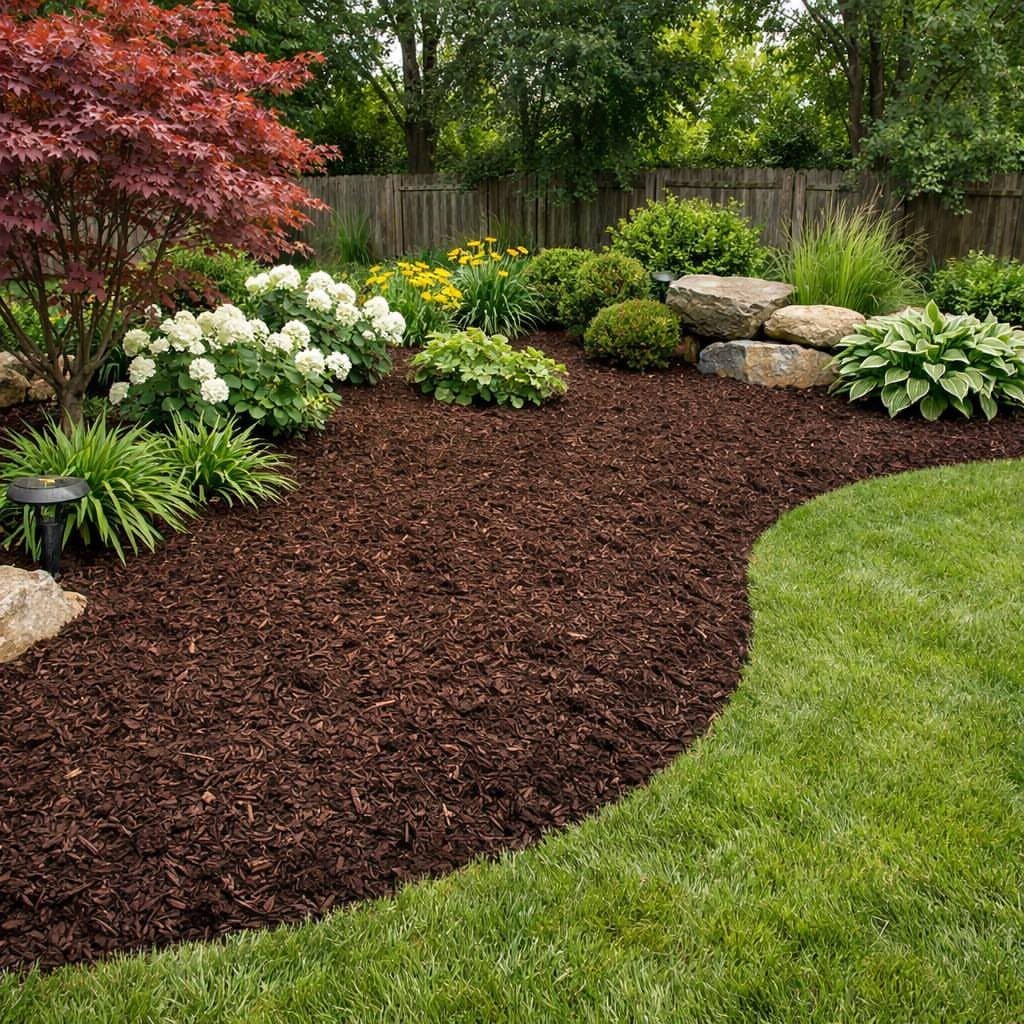
Clean bed lines do more for a yard than most plants. Dark mulch against a sharp edge of grass reads as intention, not accident, and it buys time while shrubs fill in.
I start every bed with a half-moon edger and a line I can walk.
A curved bed line that follows the foundation without hugging it leaves a foot or two of breathing room, which makes mowing simpler and lets a maple develop its own shape.
A solid layer of shredded bark keeps moisture from evaporating off the root zone in summer heat and suppresses the weed seed bank underneath.
Refresh it every spring, not every season. The brown tone ties the fence, the maple, and the soil together until the plantings mature enough to carry the view on their own.

PREMIUM DARK WOOD MULCH: Rich, dark-colored shredded wood mulch creates a clean, finished appearance around gardens, flower beds, trees, shrubs, borders, and pathways

[MULTIPURPOSE LANDSCAPING MULCH]: Ideal mulch for landscaping, garden beds, flower borders, trees, shrubs, and pathways. Designed for both decorative and functional garden use.

🌱 The Gardenera Brown Mulch Cover for Indoor and Outdoor Plants is meticulously designed to be a highly effective solution for your gardening needs. Crafted from top-quality 100% natural ingredients, this mulch cover offers numerous benefits that will transform your gardening experience.
2. Ground Cover Plants
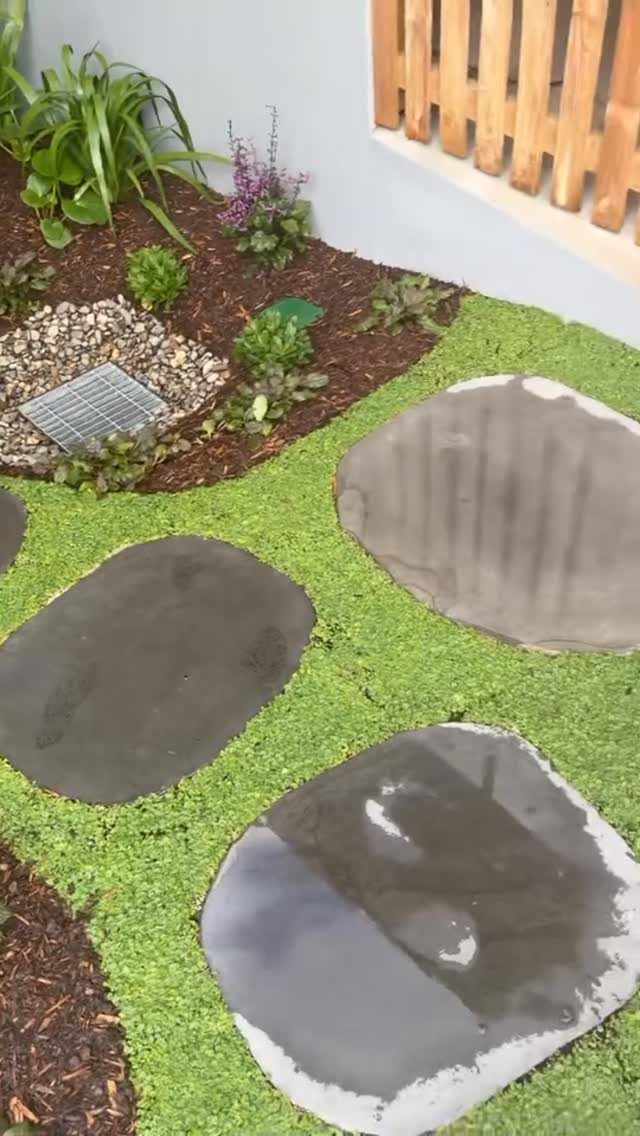
Where grass thins or a slope makes mowing miserable, low growers can earn their keep. Creeping thyme between stones handles foot traffic and smells better than turf ever did.
Green cover packed tight enough to read as lawn from a distance, with pavers set at stride length through it, handles foot traffic without the mowing schedule.
That mix suits a side path or a strip where sprinklers never reached evenly. Clover, vinca minor, and creeping phlox fill similar roles in different conditions: clover for sun and poor soil, vinca for shade that defeats most grasses.
What they share is lower water demand and no weekly cut. Check your local hardiness zone before ordering; a ground cover that thrives in Oregon can sulk through a Carolina summer.

Tempered Spring Steel Blade for Precise Edging: The CKLT Edger Lawn Tool features a high-quality serrated spring steel blade, setting it apart from conventional tools. Known for its exceptional strength and flexibility, spring steel resists deformation and maintains its sharpness even under challenging conditions
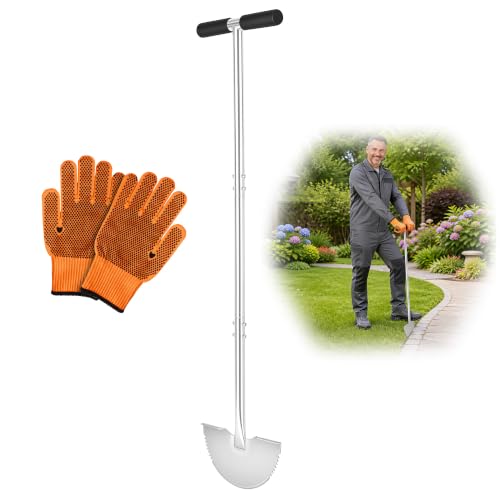
T-Handle Ergonomic Design: The edger lawn tool has a comfortable T-grip and 38 inch long handle without bending back when you remove weeds. Lawn edger tool is perfect for reducing stress on your hands when you remove grass, soil and so on.
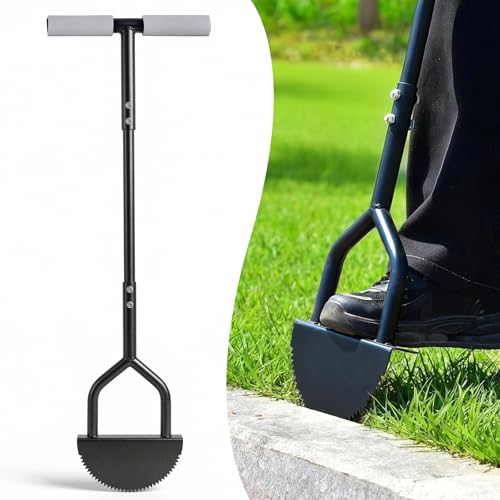
ERGONOMIC HAND GARDEN EDGER: The long handle allows upright edging without bending or kneeling. The rubber T-grip provides a comfortable, non-slip hold for better control with this manual lawn edger
3. Flowering Trees
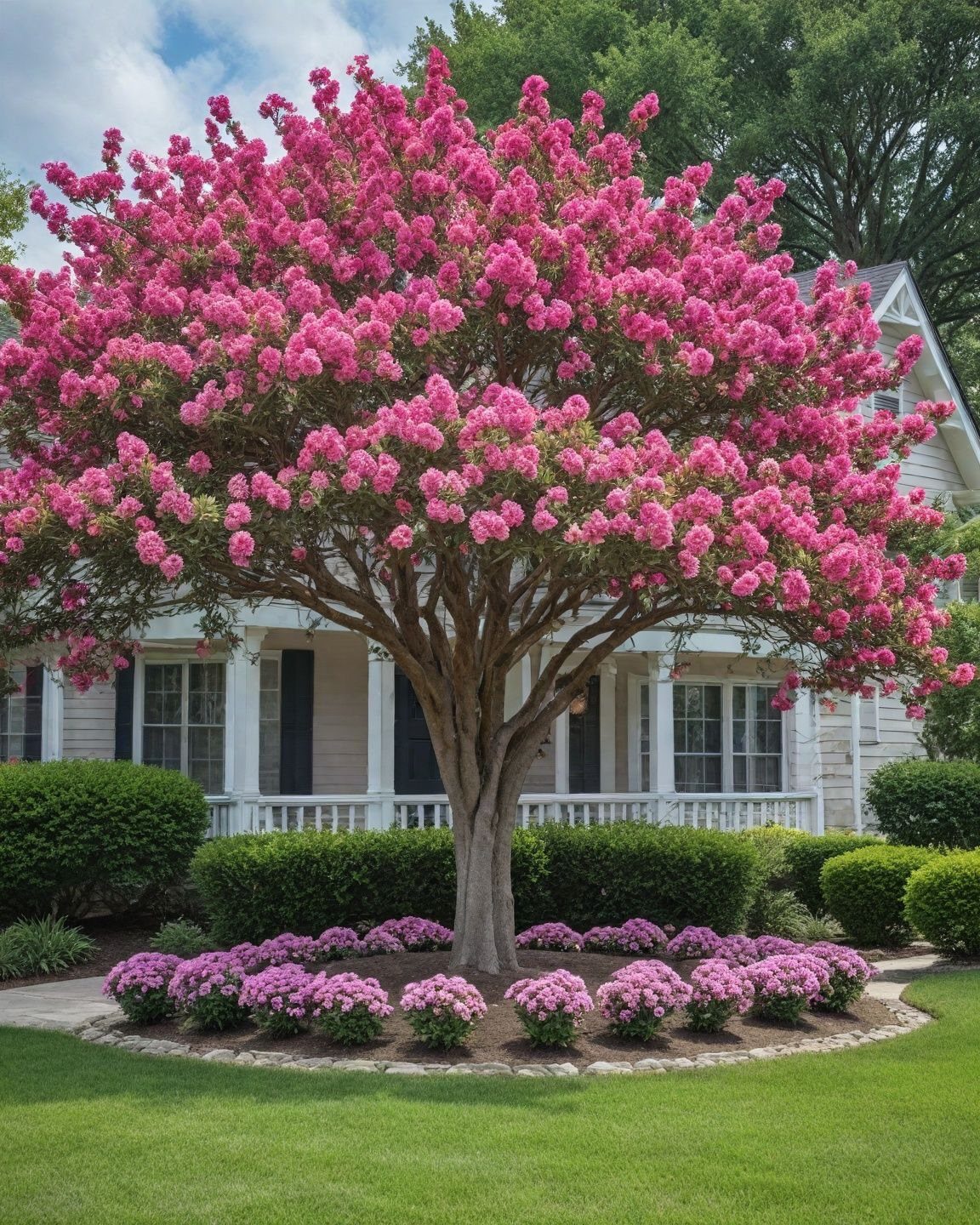
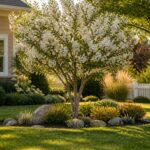
One well-placed tree outperforms a truckload of annuals. The pink Kousa dogwood flowers late enough to miss most spring frosts, and its disease resistance means you are not nursing black spot through August the way old Cornus florida often demands.
Redbud handles the same role with a lighter, airier canopy and early color against bare branches. Either one needs a hole twice the width of the root ball, not deeper, and a mulch ring that does not touch the trunk.
After that, water through the first 2 summers and let it be. A tree gives structure you do not have to rebuild each season.

🌱 High Germination Ground Cover Seeds – Create a lush green carpet for paths, patios, and empty garden spaces.

COVERAGE: 20,000 seeds of creeping thyme (Thymus Serpyllum) provide extensive ground coverage for gardens, pathways, and landscaping areas

Includes 20000+ creeping thyme seeds for planting outdoor ground cover areas, garden borders, path gaps, rock gardens, and open soil spots.
4. Create Focal Points
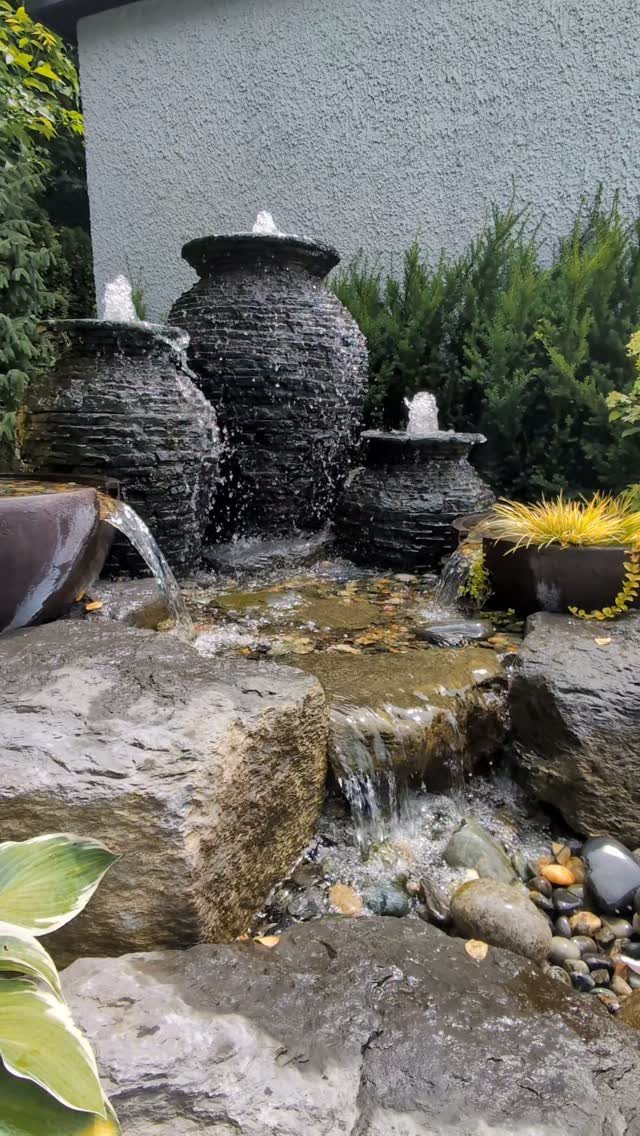
A fountain or sculpture gives the eye somewhere to land in a yard that otherwise reads as flat green.
Urn fountains set at different heights carry sound farther and put movement where it reads from the street, not just the walkway.
Stone basins work on the same principle with less plumbing.
A birdbath on a pedestal costs less and still anchors a bed. Placement does the work: centered on a window view from inside, or at the turn of a path where a visitor pauses naturally.
Power for a pump means outdoor-rated cable buried to code depth, or solar if the spot gets honest sun. Either way, plan for winter draining before the first freeze.

Beautiful Spring Landscape Collection Receive 10 dormant bare root plants including 2 Golden Chain, 2 White Flowering Dogwood, 2 Gold Forsythia, 2 Wisteria, and 2 Serviceberry. Create a breathtaking display of spring color with one convenient collection.

Planting Requirements: Prefers partial shade and well-drained, slightly acidic soil for optimal growth and drainage, making it adaptable to various landscape settings

ELEGANT FLOWERING TREE: 20 Seeds of White Flowering Dogwood (Coronus florida) Fast growing, a unique specimen indeed.
5. Use Ornamental Grasses
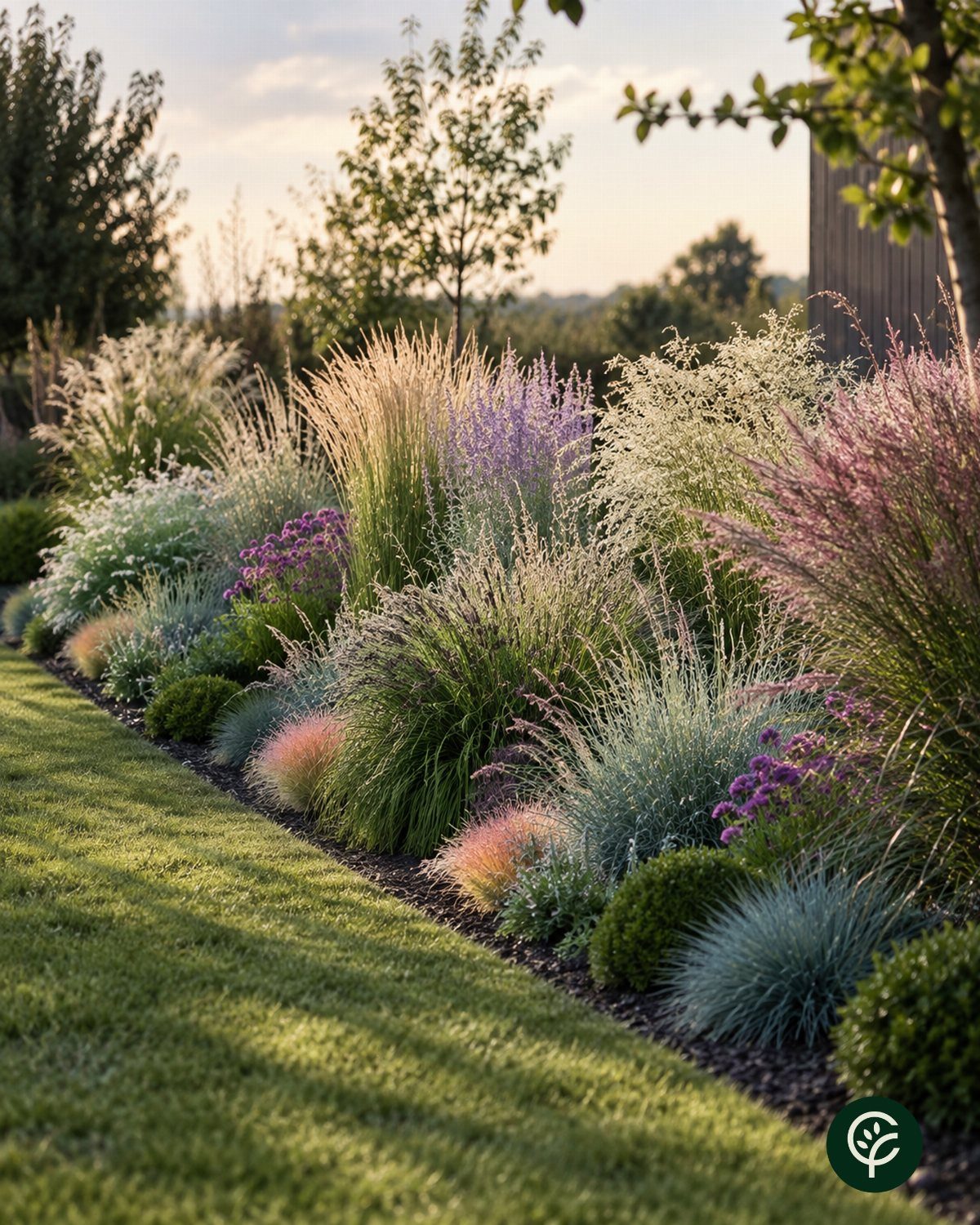
Grasses move when everything else sits still. A mix that runs from knee-high to shoulder lets each variety show its texture without crowding the next.
Carex and hakonechloa handle shade that would yellow most turf; deer pass them by.
I use them where a shrub would grow too dense or a flower would demand deadheading. Plant in drifts of three or five, not singles, and cut back late winter before new growth starts.
The seed heads hold through snow, so the bed still reads as planted in January. For sun, switch to taller switchgrass or feather reed; the principle is the same, only the scale changes.

HANGING CUPS TIER DESIGN: Features 6 cascading cups that create a stunning waterfall effect for your home or garden. The soothing movement of water provides a peaceful ambiance, making it perfect for patios, entryways, yards, or indoor spaces.

ARTISTIC CERAMIC FOUNTAIN, STUNNING GARDEN CENTERPIECE: Elevate your outdoor space with this 29.5-inch 4-tier ceramic pot fountain, meticulously finished with kiln-fired reactive glaze and detailed dynamic wave texture. Designed as a premium garden water feature, it brings artistic elegance and natural serenity to your patio, yard, or backyard decor. Ideal for creating a focal point during holidays, gatherings, or personal meditation retreats.

Outdoor Water Fountain: With its modern design, the waterfall fountain is perfect for your outdoor home and interior decoration. Especially in the evening, the lighting creates a visually appealing and tranquil atmosphere
6. Incorporate Perennials
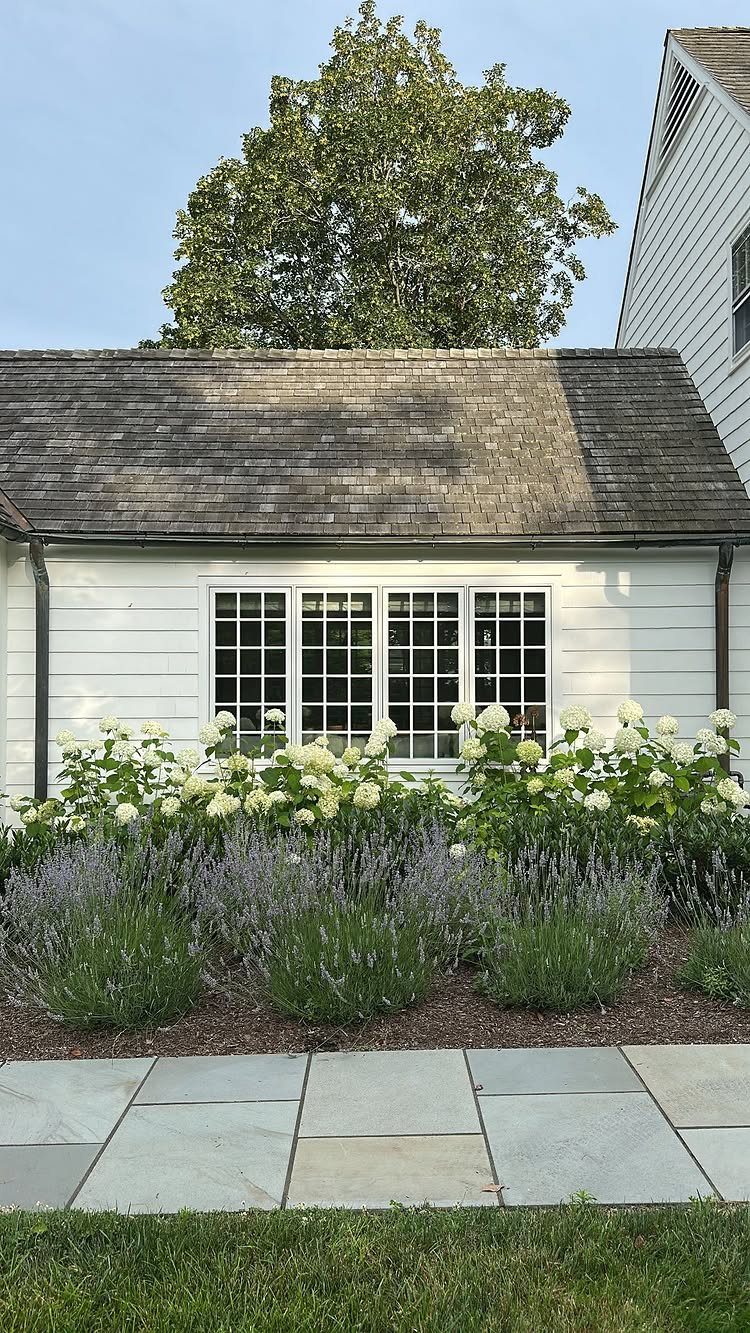
Perennials earn their spot by returning without being asked.
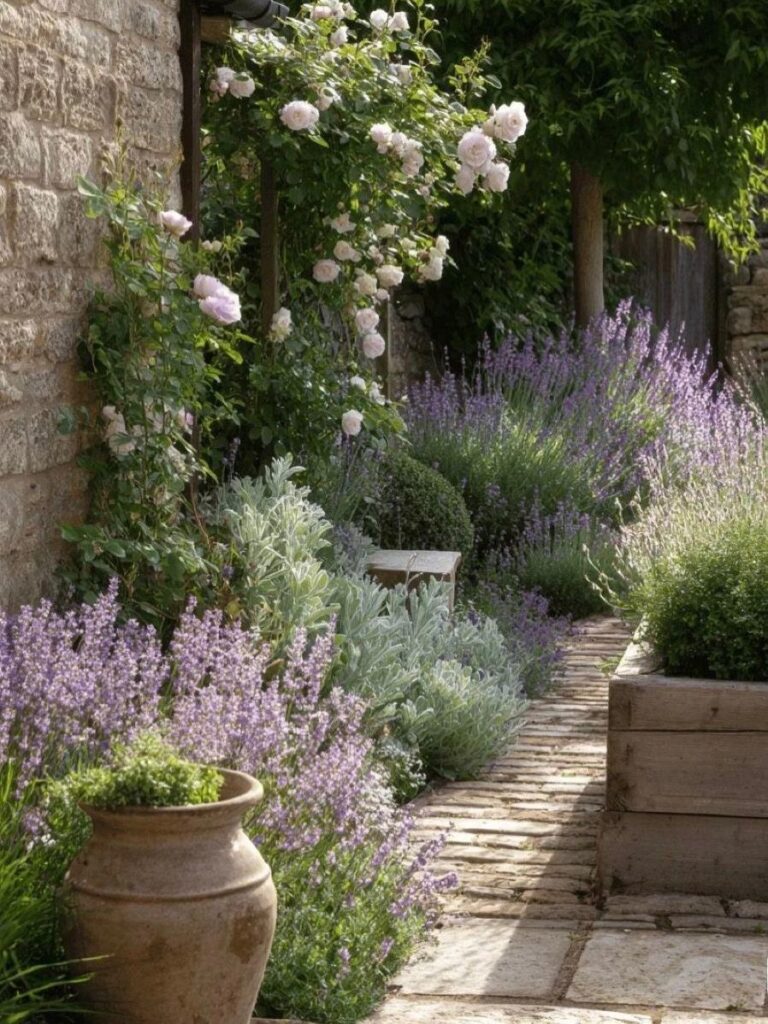
Lavender and hydrangea can share a white house and a slate walk, but they ask for different things: the lavender wants dry feet and full sun, the hydrangea tolerates more shade and more moisture.
Catmint and coreopsis suit the lavender side of that equation, blooming through heat that would finish most annuals by July. Heuchera and dicentra work where trees shade the bed for half the day.
Group by water need, not by color; a purple-and-white scheme fails if one plant drowns while the other parches. Mulch between them while they spread, then let the clumps meet and hold the ground themselves.

🌟 Perfect for Every Project: Whether you're enhancing the beauty of a single potted plant or tackling large-scale landscaping, GARDENWISE Premium Black Mulch is available in both small and large volumes to meet your needs. Perfect for indoor plants, patios, garden beds, and more.

Shredded rubber mulch looks like real wood mulch

Type of Mulch - Shredded Redwood (Gorilla Hair)
7. Go with Evergreens
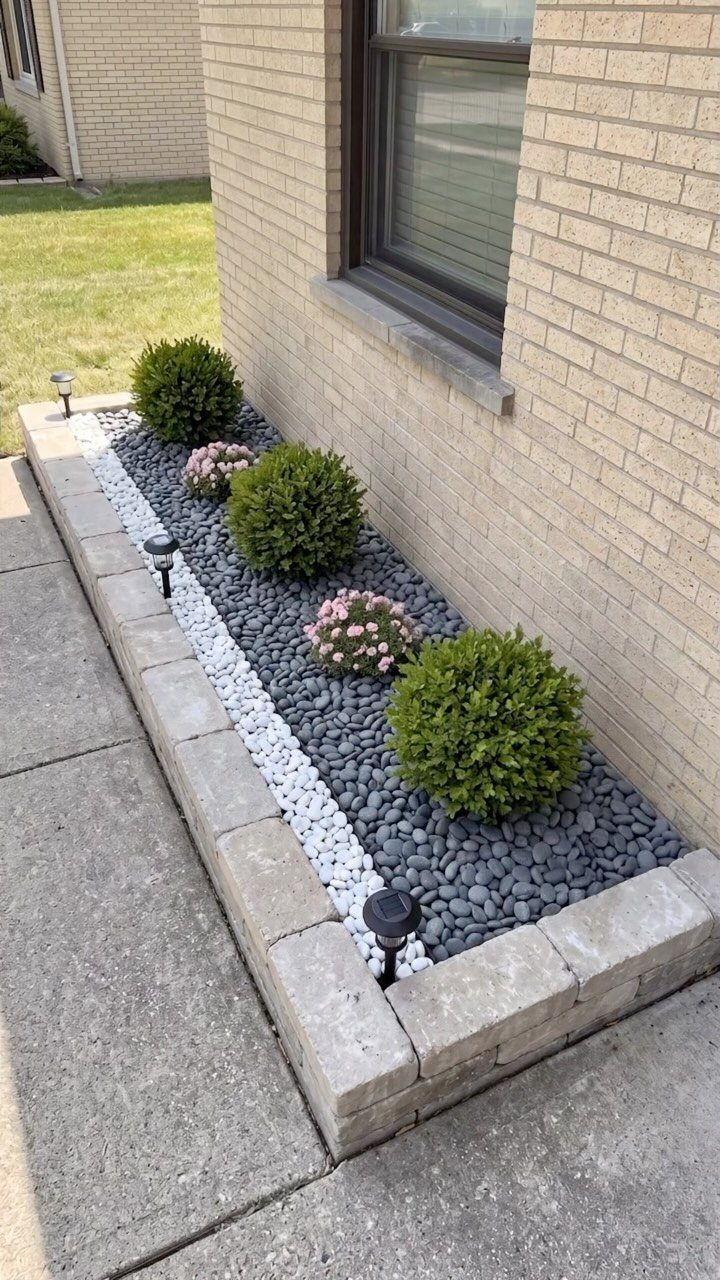
3 rounded evergreens in a stone bed give winter structure without the bare-stick look of deciduous shrubs.
The range runs from blue spruce to gold mop cypress; pick a tone that reads against your brick or siding, not one that blends into it.
Dwarf varieties keep their shape without shearing, which saves the annual ladder work.
Check mature width before planting; a shrub tagged "compact" can still spread wider than the tag suggests. Space them for the size they will become, not the pot they came in.
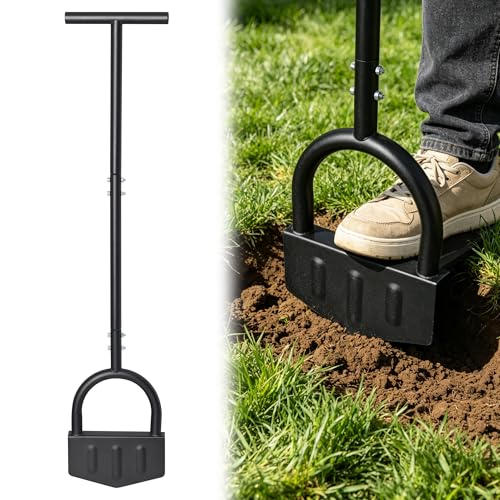
Crisp, Professional Edges in Seconds – Simply line this step-on edger along walkways or flower beds, then push down. The 5" deep V shape blade cuts clean straight or curved garden borders effortlessly

Ideal Garden Edger: BlumeTrec lawn edger tool is designed to create crisp, clean edges along sidewalks, driveways, patios, walkways, and garden borders. Garden edger trims grass around flower beds, lawns, and landscaping areas with precision. The reinforced half-moon blade easily penetrates soil for smooth, controlled edging, allowing homeowners to maintain neat yard lines, define garden borders, and install plastic edging with ease, making everyday yard care simpler and more effective.

Durable Material Enables Precise Edging: This long-handle manual lawn edger can protect your back and knees, allowing you to work without bending over or kneeling down. The dual-screw fixed assembly also enables the garden edger to be integrated as a whole without loosening. Equipped with high-quality saw-tooth edger blades
8. Rose Garden
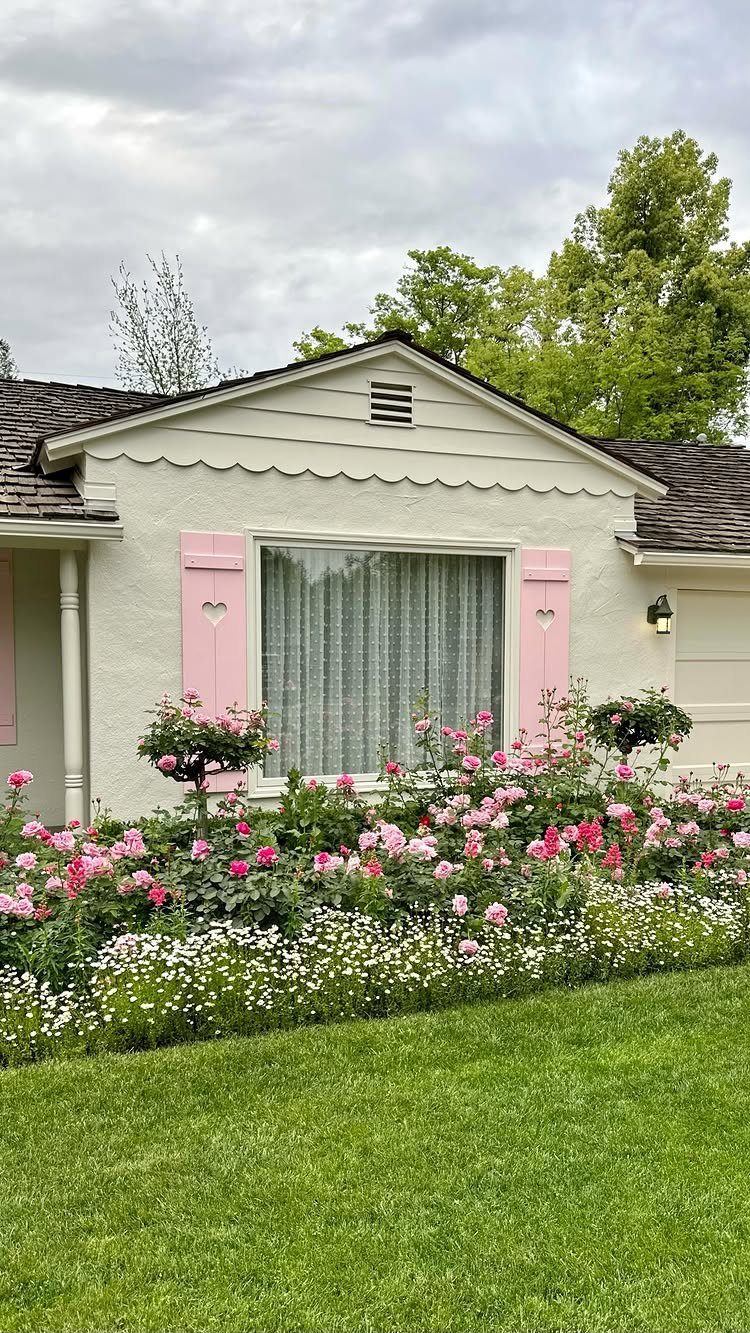
A front bed of pink roses against white clapboard reads as deliberate romance, not accident. Layering bloom times keeps color going from late May into September instead of giving you one explosive week.
Start with a few shrubs as accents if the pruning schedule intimidates you; climbing roses on a fence or arch add height without demanding more ground space.
Low evergreens at the back hold green through winter when the canes stand bare. Iris or lavender at the front edge repeat the color range without the same disease pressure.

Light and Covering: Never bury the seeds too deep. Simply press the seeds lightly onto the soil surface and cover them with a very thin layer of soil, or leave them uncovered entirely, as seeds need light to germinate
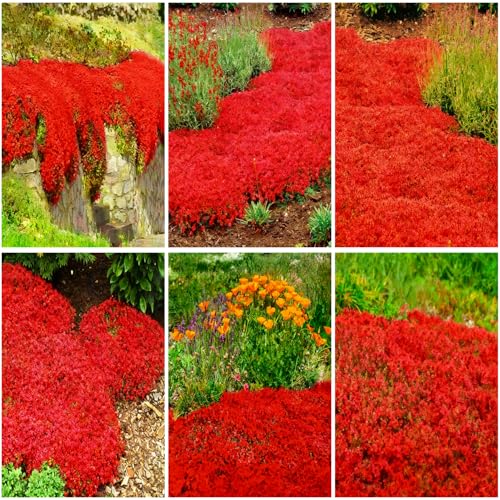
COVERAGE: Vibrant Ground Cover & Fragrance – Creeping thyme seeds ground cover form a lush, aromatic carpet with magenta-lavender blooms. Ideal for walkways, rocky slopes, and borders

GROUND COVER MADE EASY - Creeping thyme seeds germinate in just 1-3 Weeks, making them ideal for beginners. Tested germination rates stay above 95%,Minimal maintenance required—Cold-hardy and drought-tolerant, just sow, water lightly, and watch your garden come to life with fragrance.
9. Hardscape Elements
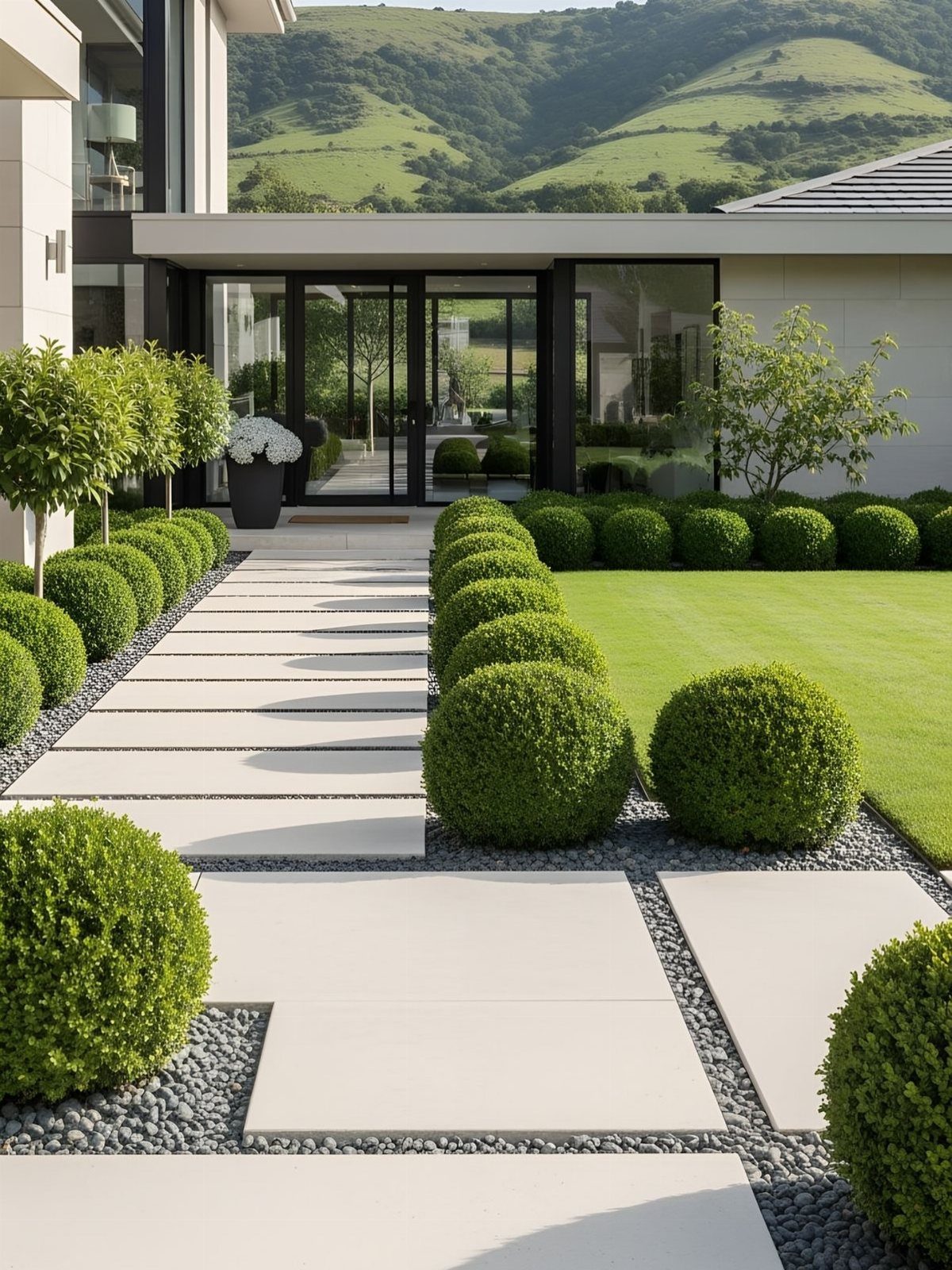
A wide path of concrete pavers inset with dark gravel cuts the lawn area by half and eliminates the thin-strip edging that always needs re-cutting.
The gravel between handles drainage and keeps the pavers from shifting; the boxwoods at the perimeter need only annual shaping.
Patios, walkways, and stone beds all reduce what must be watered and mowed. Match the material to what your house already uses: brick walks suit brick houses, concrete suits modern lines.
Composite decking costs more up front but skips the resealing cycle; budget for the long haul or the short one, but decide before you price.
“All three of these design elements should be low maintenance so that your dreams of a beautiful landscape and the reality of how much time you actually have to work in your garden are in harmony.”

Pink Flowering Dogwood 2-3 feet in height in a 3x6" pot - live plant

NATIVE ORNAMENTAL TREE: Pink Flowering Dogwood (Cornus Florida Rubra) produces stunning pink flowers in spring followed by red berries, creating year-round visual interest for your landscape.

Vibrant Purple-Pink Flowers: Known for its striking clusters of purple-pink blooms in early spring, adding a splash of color to any landscape.
10. Pathway Lighting
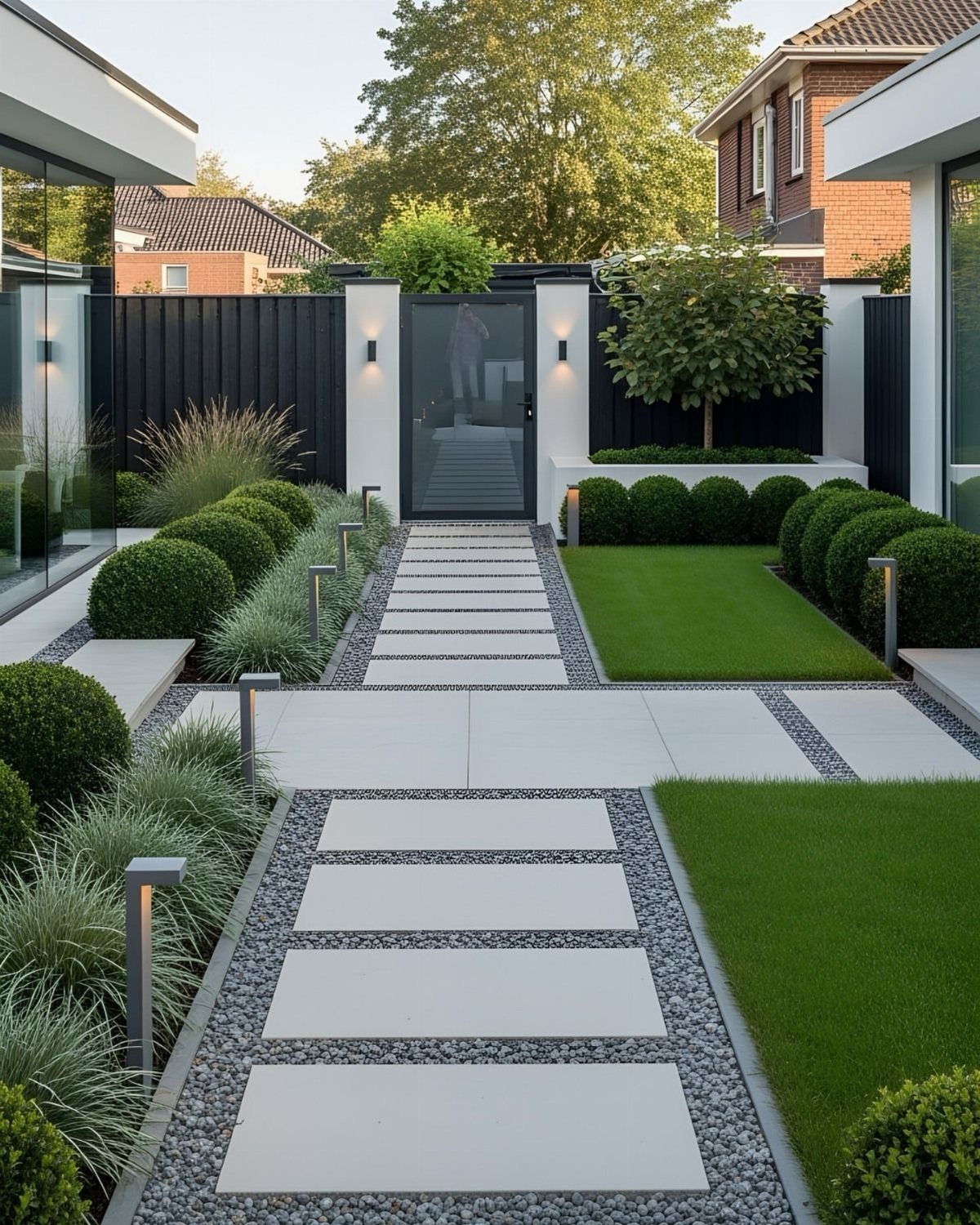
Stone pavers set in dark gravel read cleanly by day; at night they disappear without light. A line of low fixtures at ankle height keeps the path visible without turning the yard into a runway.
Solar units work where the spot gets honest sun through the day; wired fixtures give reliable output under tree cover but need outdoor-rated cable buried to code depth.
Either way, plan for the fixture finish to weather: matte grey or black metal holds up better than painted colors against mulch splatter and UV. Install with winter removal in mind if your ground freezes hard.

GARDEN TOOL FOUNTAIN: Garden water fountain features various familiar tools and a bird figurine — the perfect addition to your outdoor décor. Interior pump keeps the water flowing — just plug it in

CLASSIC DESIGN: This tiered barrel fountain with an old-fashioned water pump adds farmhouse-inspired charm to your outdoor decor, creating a rustic centerpiece for gardens, patios, decks, or indoor living areas.

Size & Package: Measures 15 "L x 11.4 "W x 24.2 "H to fit almost any outdoor area. Easy to assembly including pump and lights, 110v~120v 60hz input us plug, 6ft power cord. Package: garden fountain (17lb)1, transformer1, pump1, instruction1
11. Cottage Garden Style
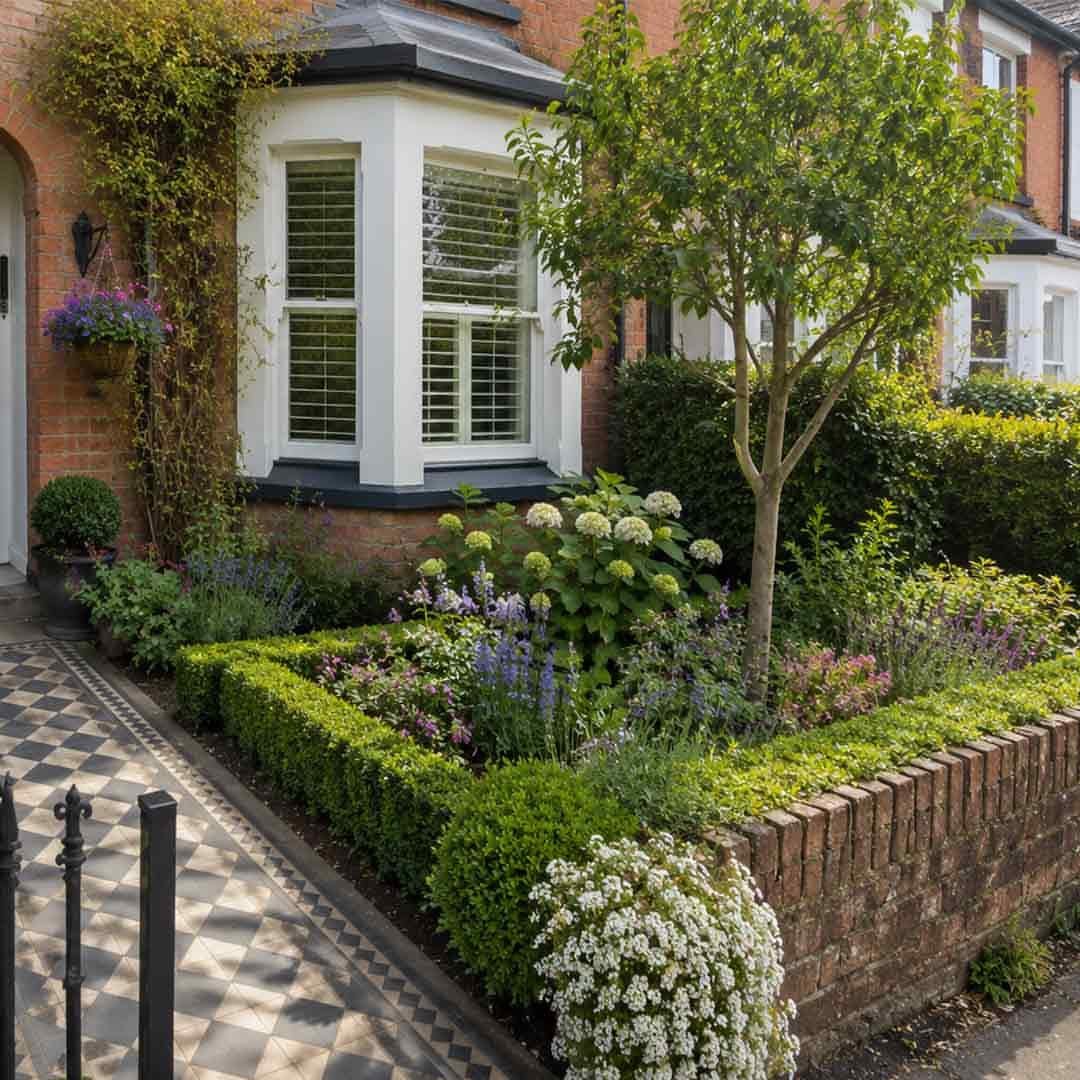
A cottage bed reads as accidental abundance, but the informality takes planning. Pack hardy perennials tight enough to shade out weeds, with enough variety that something blooms while something else fades.
Wild indigo, black-eyed Susans, and coneflowers handle the bulk of the season without demanding stakes or deadheading. A clipped box hedge or low wall at the front gives the mess a frame; without that edge, the look tips into neglect.
Herbs fit here the way they did in the original cottage gardens: thyme at the path edge, sage where the sun is strongest. Space new plants for the spread they will reach in year three, not year one.
12. Water Feature Installation
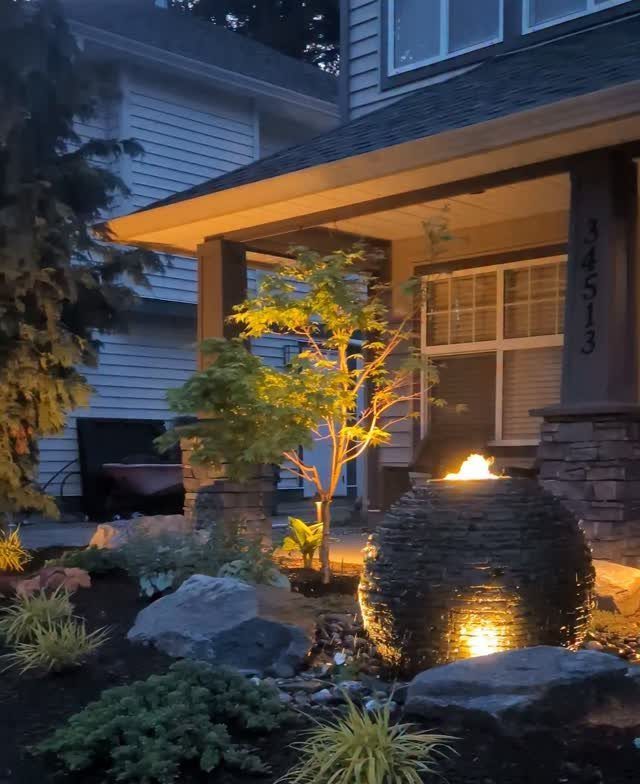
A spherical stone fountain with its own flame turns a front bed into something you notice after dark. The water sound covers street noise; the light draws the eye from the street to the porch.
Solar pumps work only where sun hits the panel; wired means an outdoor outlet and cable run.
Rocks and shrubs around the basin hide the edge and the cord path from sight. Scale matters: a feature too small for the bed reads as an afterthought, too large blocks the walk.
13. Lush Tropical Landscaping
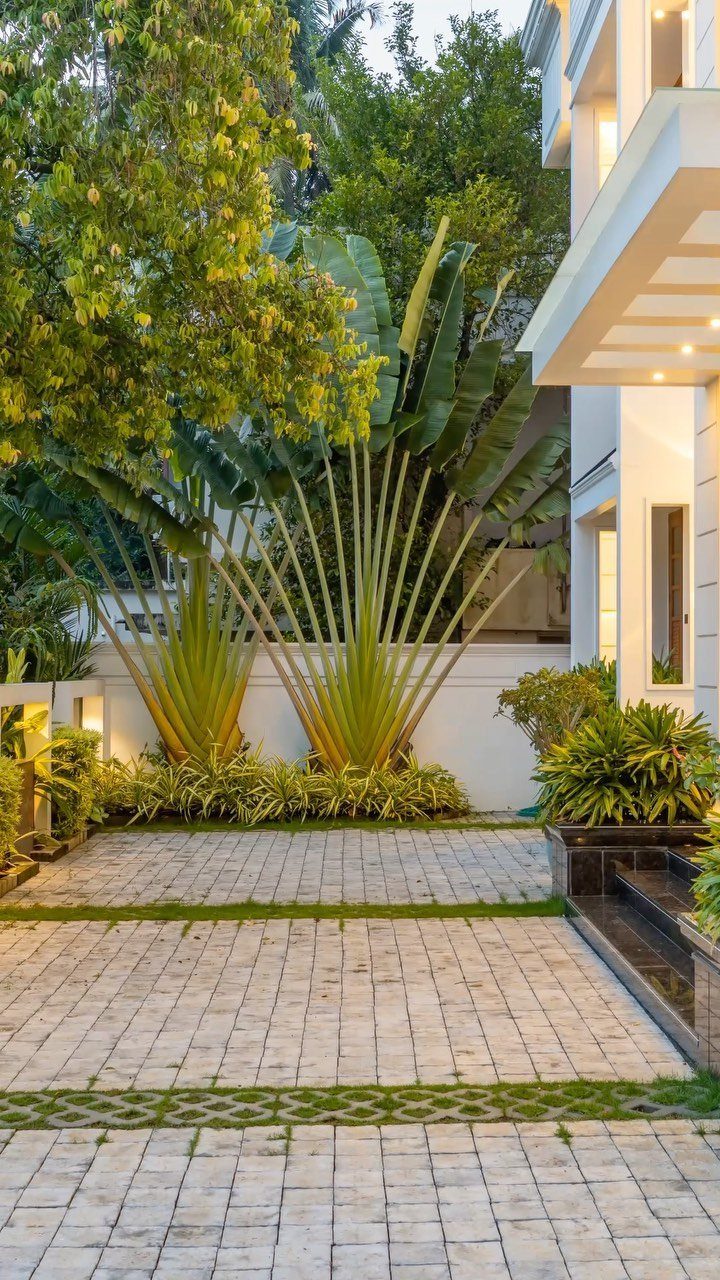
Traveler’s palms and broad-leafed shrubs frame a modern entrance the way columns frame a doorway. The look reads as vacation, but the maintenance does not match a weekend schedule.
Check your hardiness zone before committing. True tropicals survive winters only in 9 and above; north of that, substitute cold-hardy lookalikes like windmill palm or Japanese banana, which die back to the ground and return.
A paved courtyard helps by holding radiant heat through cool nights. Budget for irrigation; big leaves lose water fast in summer dry spells.
14. Symmetrical Topiary Trees
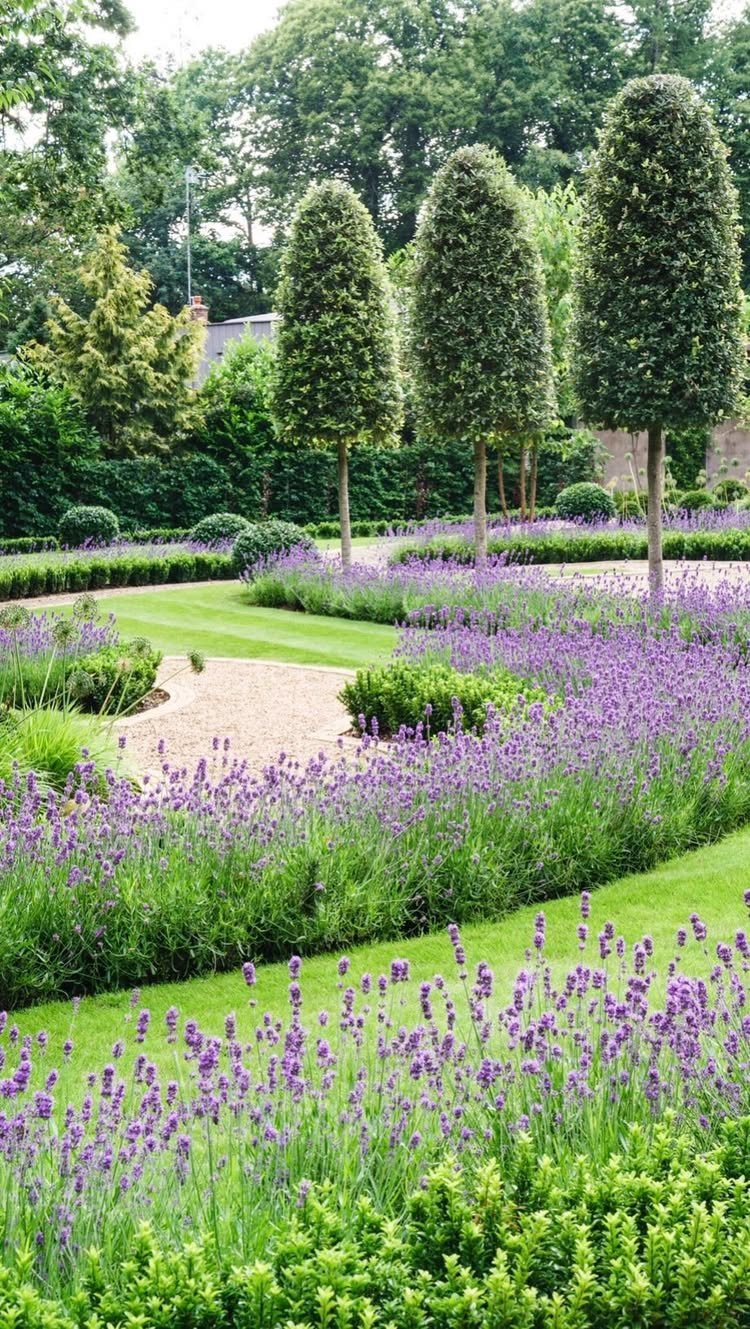
3 egg-shaped evergreens in a line give a front bed the structure of a room with furniture. Lavender rows below them carry color through the season without the staking or deadheading that taller perennials demand.
The shape comes from shearing twice yearly, in late spring and midsummer, not from slow-growing varieties that promise natural form. That labor trades for reliability; the look performs the same in August as it did in May.
Space the trees for the width they will reach, not the nursery pot; a line too tight crowds the silhouette and turns formal into cluttered.
15. Decorative Pebble Tree Ring
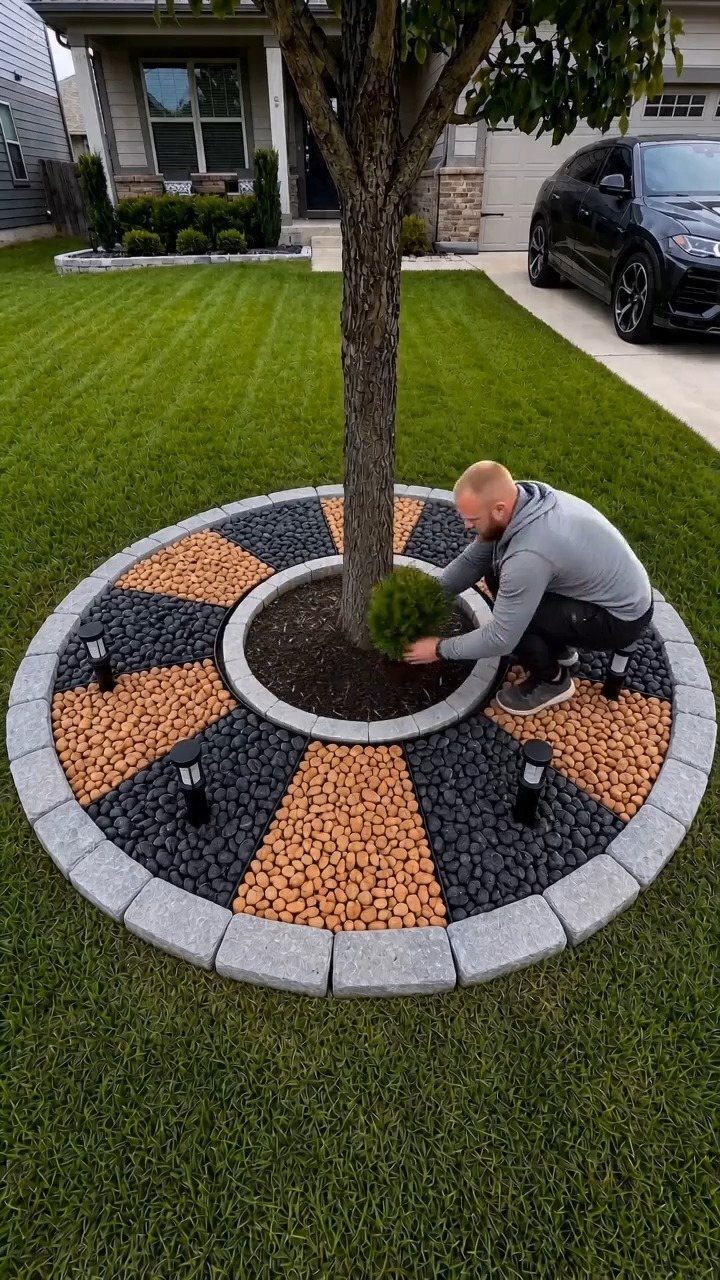
A tree ring of alternating dark and light pebbles reads as deliberate pattern from the sidewalk, not bare dirt around the trunk.
A ring of light gravel around the trunk, set against darker mulch outside it, reads as intentional landscaping without the cost of stone edging or a contractor.
Start with a paver edge set at ground level so the mower deck clears it. Inside, landscape fabric keeps the 2 stone colors from mixing over seasons; without it, rain and foot traffic blur the pattern into mud.
Plant shrubs small enough to mature without crowding the trunk flare, which needs air as much as it needs water.
16. Modern Desert Succulent Yard
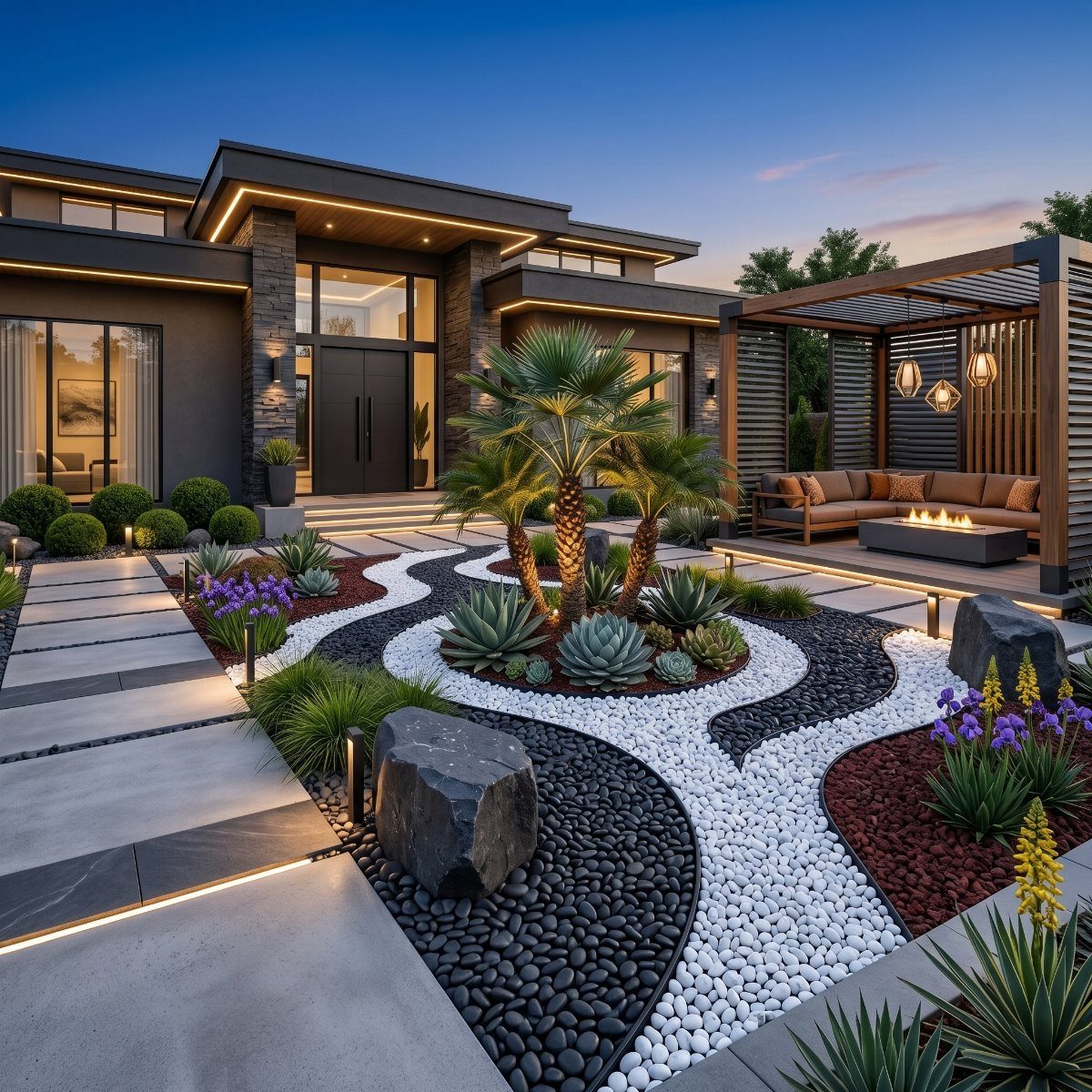
Swirling beds of black and white pebble replace lawn with pattern that needs no water and no weekly cut. Succulents and small palms handle the same conditions; the pairing suits a dry climate or a homeowner tired of irrigation schedules.
The concrete walk sets the geometry; the pebble follows it in curves that soften the modern lines. Landscape fabric underneath prevents weeds without chemicals, though some will still root in dust that collects.
A pergola with a fire pit at the far end turns the yard into usable evening space, which matters when daytime heat keeps you inside.
Choose Plants for Your Climate
A plant that looks perfect under nursery irrigation can sulk through your first August once it hits your actual soil. Local climate, sun exposure, and drainage matter more than the label photo.
Start with what you have.
Walk the front yard at different hours and mark where full sun bakes the ground, where shade stays all afternoon, and where water pools after rain. Match those marks to plant tags, not the other way around.
Native plants handle local pests and soil without extra fertilizer, and they survive on rainfall once established. For year-round structure, mix evergreen backbone plants with deciduous ones that shift through the seasons.
Check mature size before buying: a shrub that grows tall enough to brush the eaves belongs somewhere it will not crowd the walk or need constant pruning.
Consider Long-term Maintenance
Small plants do not stay small. A small nursery shrub can block a window before you know it, and a flower that needs daily watering in July becomes a burden by August.
Shearing a shrub back to the window frame twice a year is not low maintenance; choosing a dwarf variety that stops at the right size is.
Native plants need less intervention because they evolved for your rainfall pattern and soil chemistry. They still want periodic cleanup, but they will not demand weekly watering or chemical rescue from pests that local predators already handle.
Group plants by water need so one bed does not turn into a mixed schedule of daily, weekly, and monthly attention.
A front yard should look better each summer than it did the year before, not demand hours you do not have.
Create a Welcoming Entrance
The front door area does the work of a handshake. Layered plantings along the foundation or walkway give structure that reads from the street, while the entry itself needs its own focus.
A pair of matching planters flanking the door gives symmetry without commitment. Fill them with something hardy enough to survive your forgetful weeks; boxwood or ornamental grass handles neglect better than annuals that need deadheading to stay presentable.
Evaluate Existing Landscape
Before buying anything, walk the front yard with a notebook and a full day to watch it. Mark what stays, what goes, and what simply needs better neighbors.
Existing trees are the slowest and most expensive elements to replace. Keep the ones with sound structure and appropriate mature size; remove the ones that will tangle with lines, heave the walk, or shade more area than you want.
Foundation shrubs that have outgrown their spots are harder to prune into submission than to replace with varieties sized for the space.
Note where sun falls at 9 a.m., at noon, and at 4 p.m.; a bed that reads as full sun in March may sit in shade by July once deciduous trees leaf out.
Hardscape that functions, keep. Concrete in the right place lasts decades; cracked or misdirected walks are the project that justifies the expense of removal.
Frequently Asked Questions
What is the best landscaping in front of a house?
The most reliable approach is framing the house with plants that draw the eye toward the entry: larger shrubs or trees at the outer corners, with progressively smaller plantings as you move toward the door.
Low-maintenance shrubs, ornamental grasses, and perennials keep the workload reasonable, while a focal point like a fountain or sculpture gives the eye somewhere to land in an otherwise flat yard.
What is the 3-5-7 rule in landscaping?
There is no single 3-5-7 rule that professionals agree on; the phrase gets used differently by different sources.
What does hold up is the broader principle of planting in odd numbers, usually three, five, or seven of the same variety, which keeps drifts from looking too symmetrical or sparse.
The real guideline is grouping plants so they read as intentional masses rather than scattered singles.
What is the cheapest way to landscape my front yard?
Fresh mulch and a clean edge with a half-moon edger do more for curb appeal than most plants, and the materials cost less than a dinner out for a typical foundation bed.
A simple planting bed with a few low-maintenance shrubs or perennials layered in front improves the look without requiring a full redesign.
Gravel and river rock suit dry regions and eliminate fertilizer and irrigation entirely, though in some neighborhoods they can read as out of place. Start with what you have, keep what functions, and spend where it shows.
How do I choose front yard plants for my home?
Start by walking the yard at different hours and marking where sun bakes the ground, where shade stays all afternoon, and where water pools after rain.
Check mature size before buying; a shrub that grows tall enough to brush the eaves belongs somewhere it will not crowd the walk or need constant pruning.
What makes front yard landscaping look clean and organized?
The cleanest yards rely on defined bed lines, consistent mulch, and balanced spacing; structure matters more than packing in dozens of different plants.
A focused color palette and repetition of a few varieties read as deliberate, while scattered singles of many plants tip into visual noise.