The ideas below start with a scrap cedar panel and an afternoon of bolting, run through brick, stone, corrugated metal and concrete block, and end with how to fill the bed, drain it, amend the soil and keep the budget in check.
What settles the choice is whether your yard needs a weekend fix or a permanent footprint, whether your back can still handle ground-level work, and how much you want to spend on materials versus scavenging what you already have.
A buried wire skirt stops tunneling pests, and the raised height keeps rabbits from reaching the greens.
[link-whisper-related-posts]1. Animal Deterrence
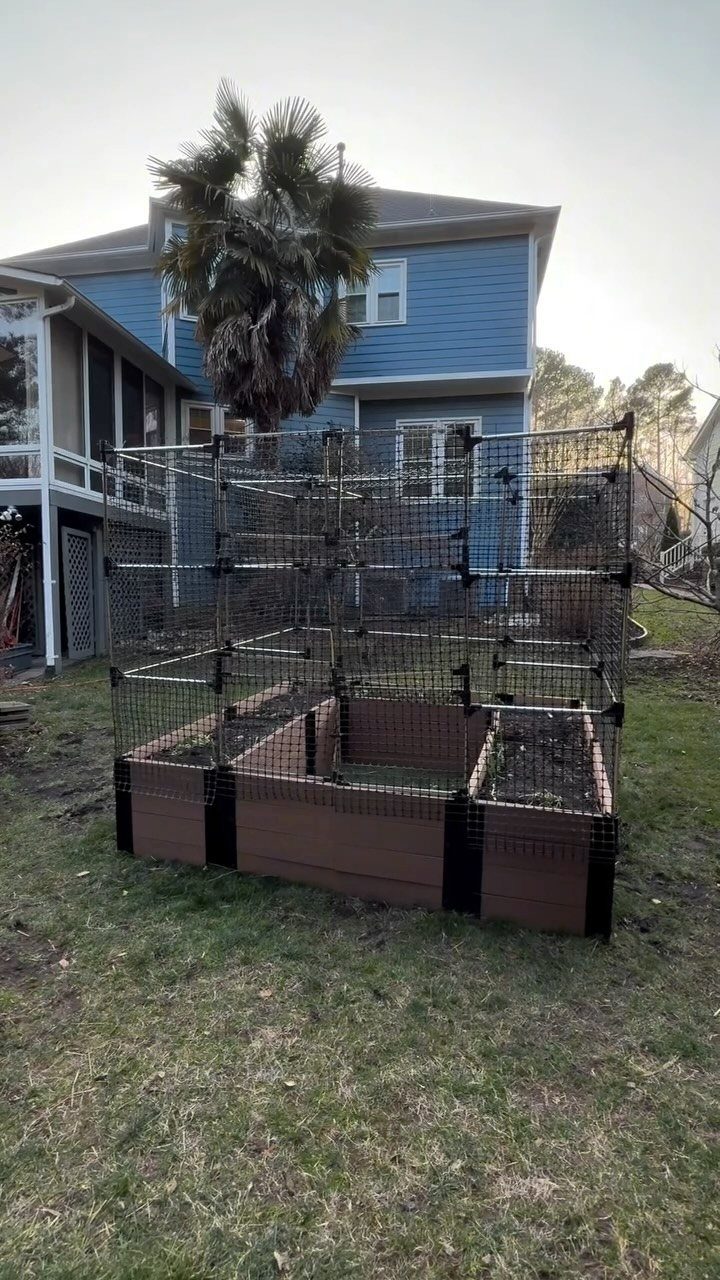
A frame of metal pipe wrapped in black mesh turns an ordinary raised bed into a fortress against the animals that actually show up in yards.
The height of the bed itself stops turtles and similar low crawlers, which is half the battle for most beginner gardeners.
For diggers like gophers, bury chicken wire 1-2 feet down around the perimeter. That mesh wall above ground handles rabbits, squirrels, and the birds that swoop in for strawberries.
I like that this defense is modular: add the frame after the bed is built, or skip it if your only problem is a curious dog. Working around that cage when you weed or harvest takes extra patience.
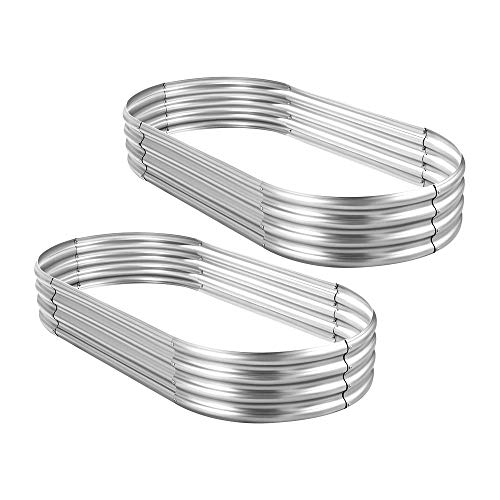
Each raised metal garden bed size: 4×2×1ft , 7Cu
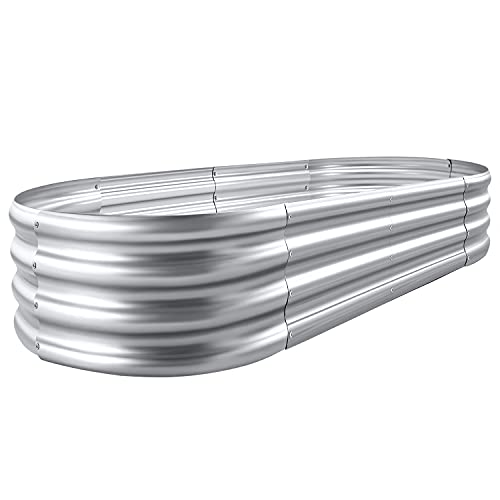
Each raised metal garden bed size: 4×2×1ft ,7.14Cu

✨【PP Material&Lightweight】Our raised garden bed made with high-quality reinforced PP material ,offering outstanding durability and all-weather adaptability in a lightweight design, perfect for all your outdoor gardening tasks.
2. Cedar Boards for Raised Garden Beds
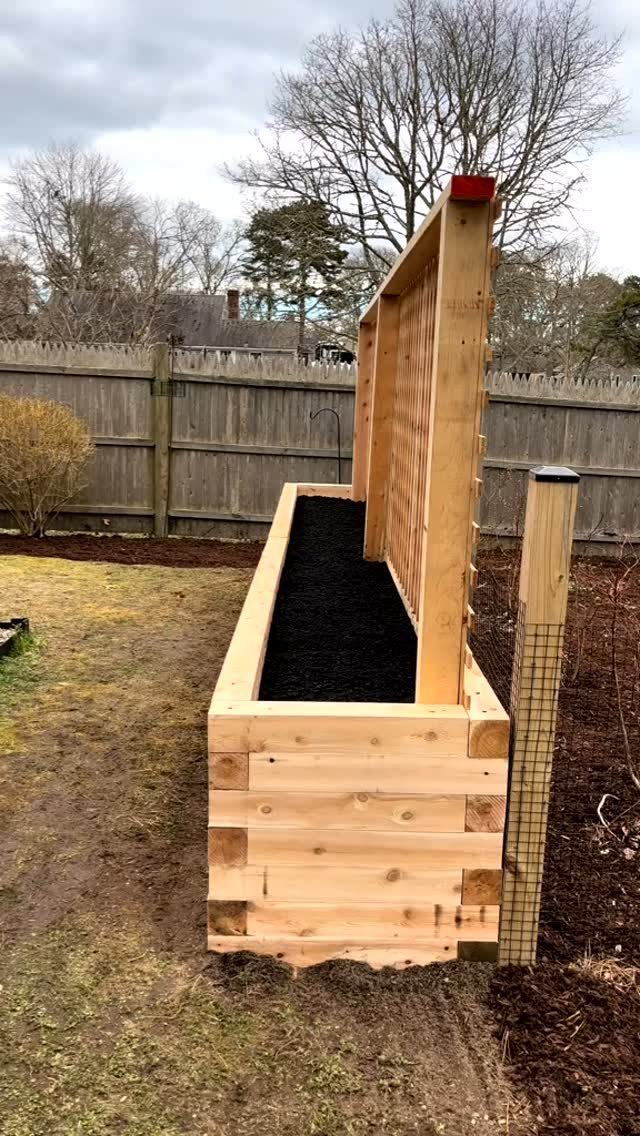
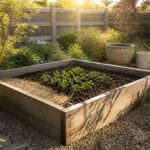
Scavenged cedar fence panels built into a tall bed with a trellis on one end: this is the version I would chase down if I saw a neighbor replacing their privacy fence.
Cedar holds up against moisture and resists bugs without the pressure-treated chemicals I would rather not grow food against.
The scrap route matters for a first bed because the wood is the biggest cost.
A discarded privacy fence is mostly cedar already; the panels just need cutting to frame height and screwing together. Pine works too, but it will soften faster and need replacing sooner.
An integrated trellis lets climbing tomatoes or cucumbers grow up instead of out, which saves buying cages later. One tall side handles pole beans, cucumbers, or whatever climbs.
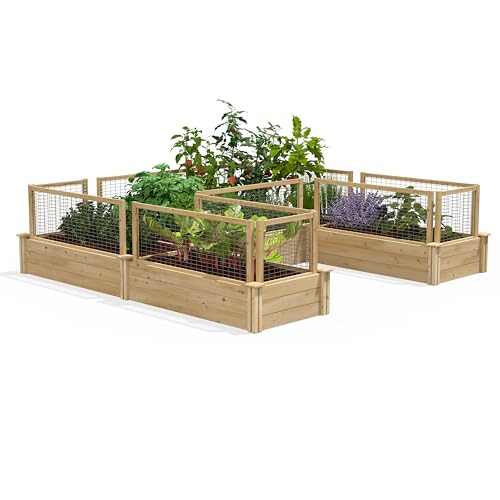
Made in the USA from chemical-free North American cedar

Elevate Your Garden - Opt for a brilliantly engineered raised garden bed to revolutionize your gardening. Its spacious design, measuring 48x24x30 inches, allows for the cultivation of multiple vegetable varieties alongside a plethora of herbs, optimizing your gardening space for ease and diversity.

Complete Set: Includes 6 panels (24" H x 28.5" W) and 7 stakes (29.5" L), providing comprehensive protection for your garden.
3. Brick Raised Garden Beds
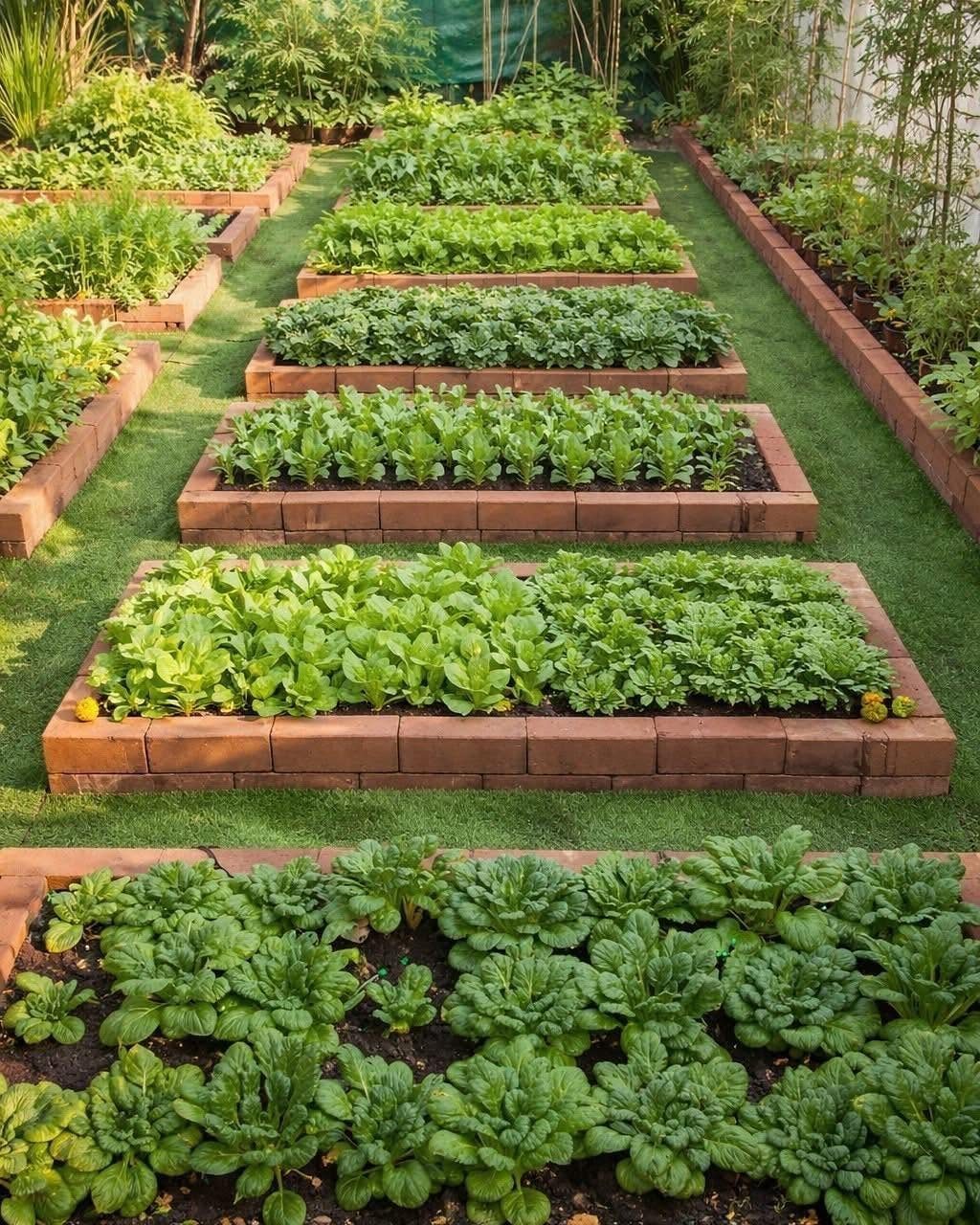
Brick beds read as permanent, which they are: once that mortar sets or that dry-stack settles, you are committed to that footprint.
Brick sits at a height that saves some bending without requiring the deep fill of a tall wooden frame.
Before starting, check whether your soil drains well enough that a low wall will not trap water against plant roots.
Brick on clay can create a bathtub; brick on sandier ground works with less fuss. The flat caps visible on some rows suggest a dry-stacked wall capped for stability, no mortar needed, though frost heave will shift it over years.

REAL BRICK LOOK – Get the classic look of a brick garden bed without heavy masonry or mortar. Tumbled Brick finish adds style to gardens and landscapes.

Size: 60×29×11 in, 68 gallons of soil required.

More suitable raised garden bed size and Volume:67"L x 20"W x10"H, 7 Cu. Ft. You can cultivate plants, like vegetables, flowers, herbs in your patio, yard, garden, and greenhouse.
4. Concrete Block Raised Beds
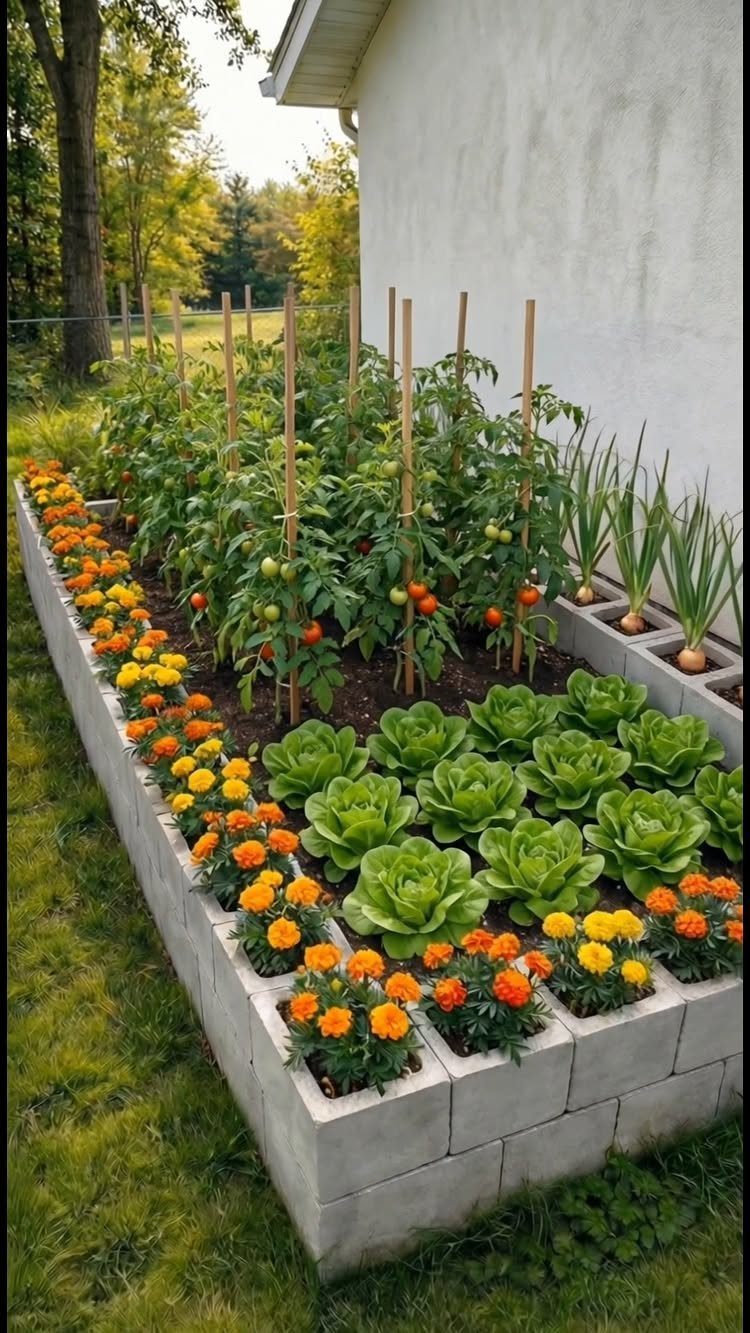
Concrete block beds are cheap, immediately available, and heavy enough to stay put without footings.
Running blocks along a house wall puts foundation warmth to work, which extends the season slightly, and the grey surface reflects heat back to sun-loving plants.
Each block opening is planted with lettuce, scallions, marigolds: a second growing surface most materials do not offer. That saves space in the main bed for the staked tomatoes that need deeper soil.
The catch is the block itself. New blocks leach lime and raise soil pH; the first season favors plants that tolerate alkaline conditions, or you can leach them with repeated soakings before planting.

High quality raw materials: Our hardware cloth chooses the strength, toughness and ductility of low carbon steel wire as the inner core. This determines the basis of the high quality of our products.23Gauge Galvanized After Welding Wire Metal Mesh Roll Use this to protect vegetables and flower roots, bulbs, rhizomes, etc from tunneling animals. pack:A roll of hardware cloth
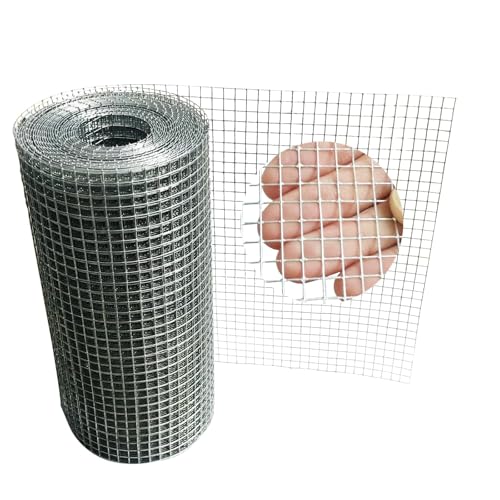
Premium Low-Carbon Steel Construction: Crafted from high-quality low-carbon steel wire for exceptional strength, toughness, and durability. The robust inner core ensures long-lasting performance in all outdoor conditions, making this the ideal choice for demanding applications

Material and size: The size of the hardware cloth is 16 inch×50 ft and 1/2 inch×1/2 inch thickness, adopt 19 guage hot-dipped galvanized material
5. Natural Stone Raised Beds
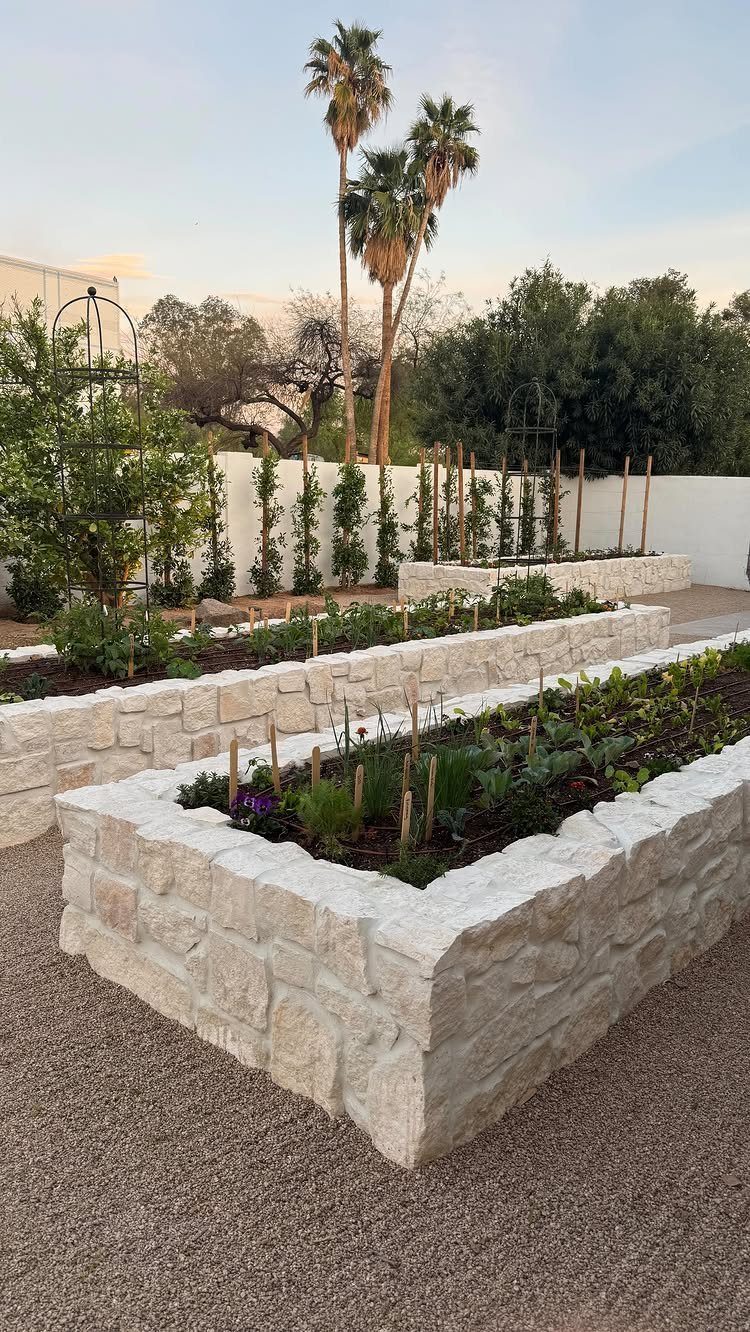
Rough-hewn stone in pale tones against pea gravel: this is the bed you build when the garden is already the nicest part of the yard.
Stacking stone dry, with no mortar, lets drainage happen automatically and lets frost movement settle the wall tighter over time rather than cracking it.
The weight is the real consideration.
These stones need moving, probably by wheelbarrow if not by machine, and the footing must be level enough that the first course does not rock. Gravel base helps, compacted in lifts.
What the photo does not show is the soil depth behind that wall. Stone frames need filling almost to the top to give roots room; budget for more soil than a shorter wooden bed of the same footprint.

Package Information: The package includes 2 packs of 10 x 6.5ft garden netting, suitable for greenhouse and raised beds. The size will cover the plants in your garden well. Tip: Only garden netting is included, not support poles.

Complete Kit Includes Everything You Need: (6/18/30) Square Mesh Panels, (30/100/100) Reusable Zip Ties, (6/18/30) U-Shaped Ground Stakes, and (5/10/10) Plant Labels for Easy Organization.

Garden Covers for Raised Beds: Includes 1 pack rectangular mesh garden nettings (garden bed is not included) 56 * 28 * 18inch size is perfect for covering 4 x 2 FT raised garden beds;18 pcs graden hoops frame + 15 connectors + 12 garden clips + 10 pcs spikes,enough to DIY your garden raised bed's protection covers.
6. Wooden Raised Bed Layout
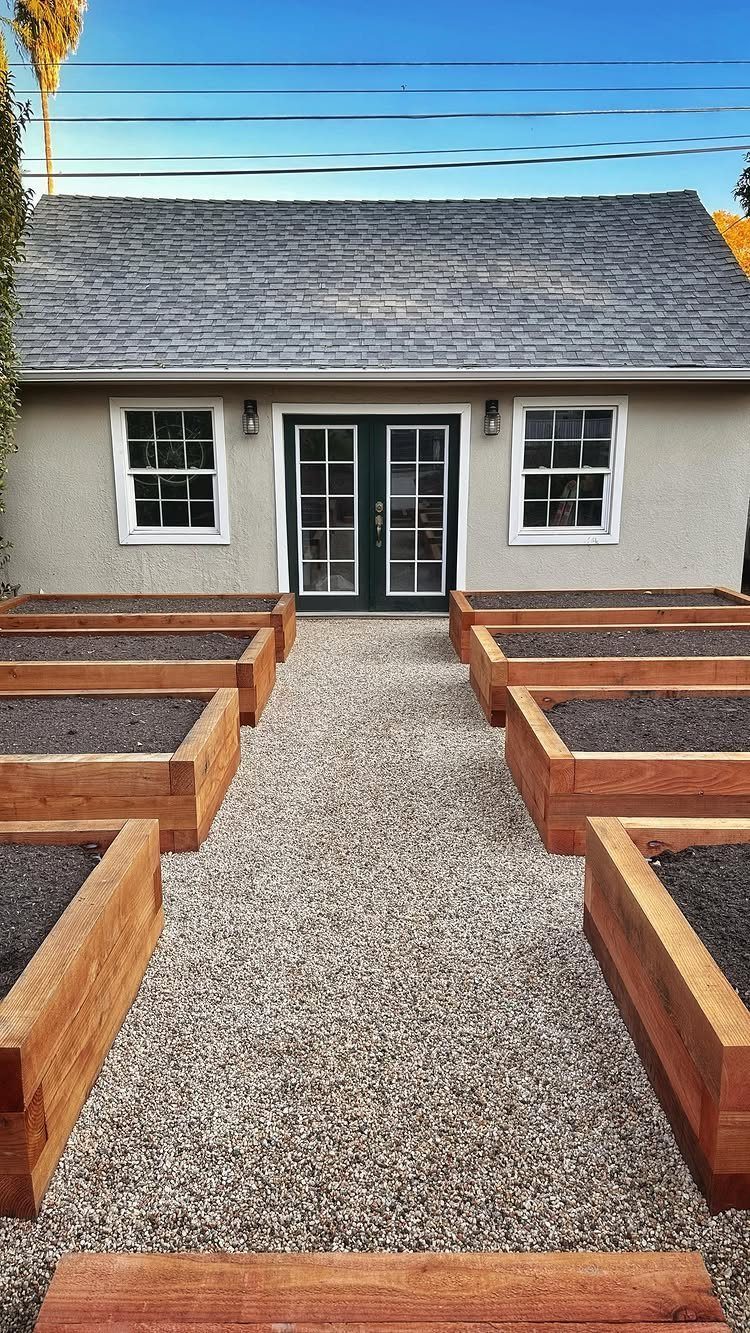
Symmetrical wooden boxes flanking a central gravel path: this layout is less about the beds themselves and more about the walking and working space between them.
A gravel path stays mud-free after rain, which matters when you are out there in sneakers checking tomatoes.
Wide spacing between rows lets a wheelbarrow through, or at least comfortable passage with a hose or harvest basket.
I would measure my own reach before copying these dimensions: 2 feet of path is tight, 3 feet is generous, and the difference determines whether you weed from the edge or step into soft soil.
French doors on the studio at the far end suggest this garden is meant to be looked at as much as worked in. That is a valid priority; just know it costs in lawn space converted to production.

QUICK & TOOL-FREE ASSEMBLY: Our galvanized garden beds outdoor manual includes a clear parts list and installation steps, which can save your time and assist you assemble the galvanized garden beds quickly.

SIZE: The plant bed measure is 23.6"L x 23.6"W x 11.8"H. This round planter box provide ample growing space to raise vegetables, flowers and plants.

SIZE: The plant bed measure is 23.6"L x 23.6"W x 11.8"H. This round planter box provide ample growing space to raise vegetables, flowers and plants.
7. Corrugated Metal Raised Beds
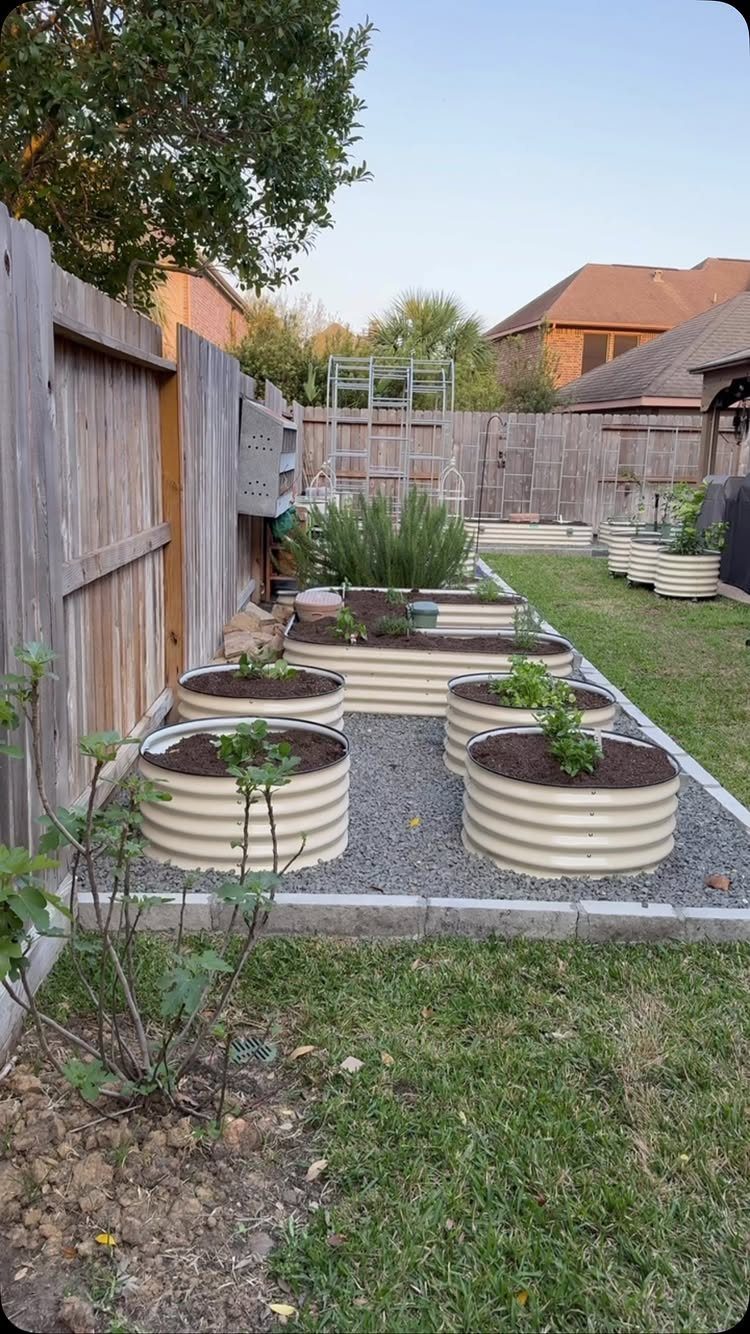
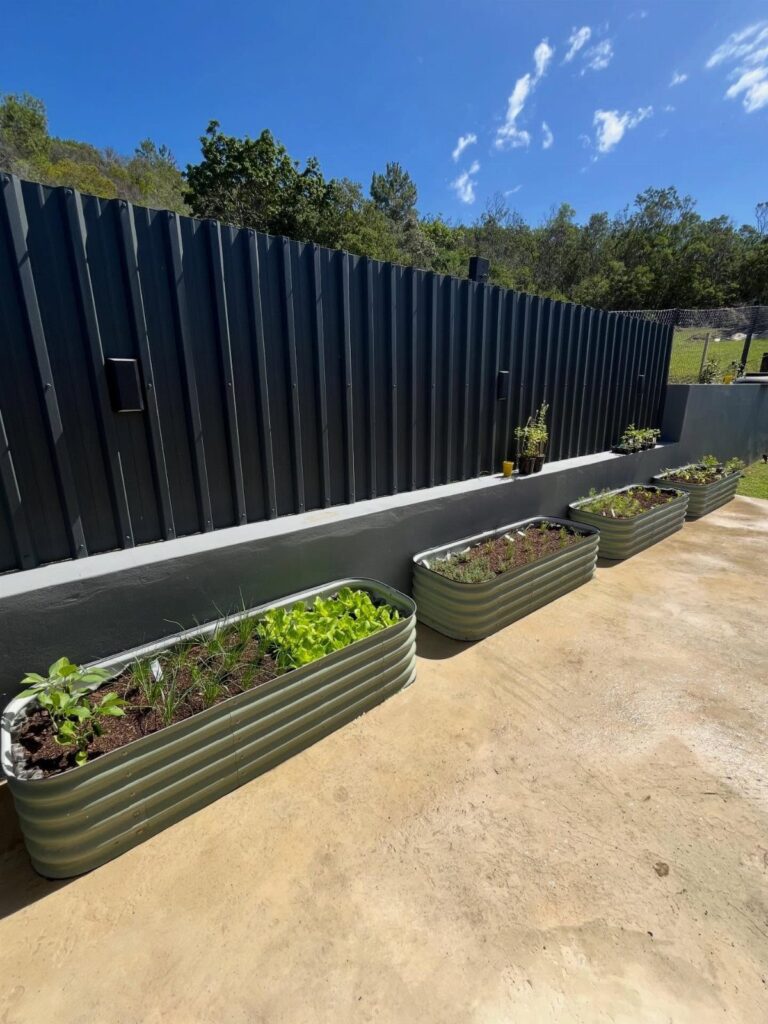
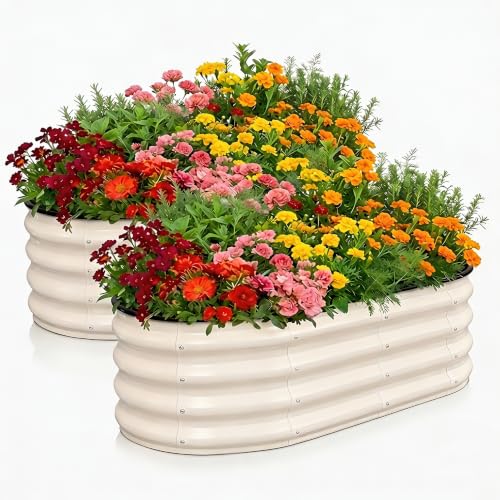
Corrugated metal beds in cream or grey arrive as kits that bolt together in an afternoon, no saw needed.
The ribbed walls hold soil without bowing, and the thin profile means more planting space inside the same yard footprint than thick wooden timbers allow.
Gravel underneath keeps weeds down and mud away from the metal base. Check that the kit includes a rolled top edge; the cut rim of cheap stock is sharp enough to slice a forearm during planting.
These heat up faster in spring and cool faster in fall than wood, which matters more in Maine than in Texas. I would place them where afternoon sun is partial if my summers run hot.
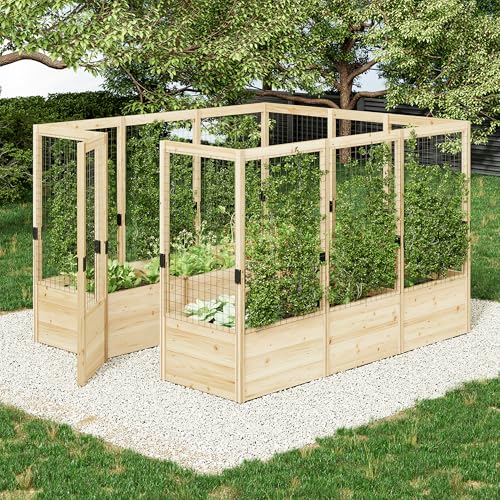
Deer Resistant Fence: Equipped with Deer Resistant fence, this raised garden bed kit provides an additional layer of protection, keeping unwanted animals at bay and safeguarding your plants.

1,Outdoor Privacy Screen with Planters:Create a peaceful retreat with our cedar privacy screen featuring built-in planters. Block unwanted views while surrounding yourself with lush greenery for relaxation. The premium cedar construction elegantly hides yard clutter, transforming your space into a private sanctuarys . Perfect for morning coffee, reading nooks, or intimate gatherings. Stylish and functional, it blends natural beauty with practical seclusion for your patio, deck, or garden.

🪵 Solid American Cedar: Crafted from untreated 100% solid American cedar boards, it is ideal for growing vegetables, herbs, and flowers.
8. Filling Raised Beds with Hugelkultur
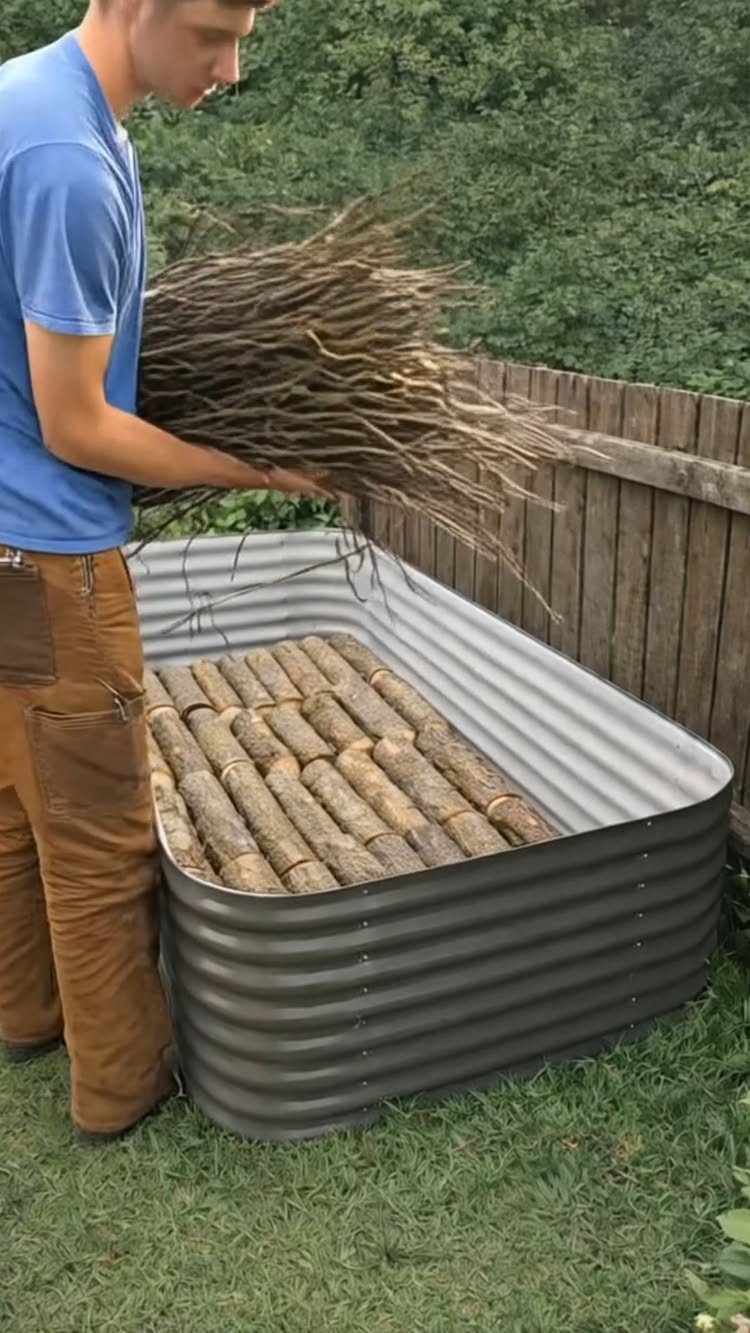
Hugelkultur fills the bottom half of a deep bed with rotting wood before soil goes on top. The logs sponge up water and release it slowly through dry spells, which cuts how often a beginner has to remember to water.
Branches and twigs layer over the logs, then cardboard, then soil, building the bed from the bottom up.
The wood breaks down over years, so the bed surface sinks and needs topping off each season. Start with more soil than looks right.
This only suits beds tall enough to bury logs and still leave root depth. A shallow frame gets filled entirely with soil instead.
【Raised Garden Beds Outdoor】: GRASQUILINE’s galvanized raised garden bed features enhanced rust and corrosion resistance, ensuring years of durable use even in harsh outdoor environments and humid climates — so you never have to worry about premature wear.

Raised Garden Bed - Add a new level of convenience to your gardening experience with the Galvanized Raised Garden Bed. Enjoy expanded yield and a more assembled garden layout with this garden accessory, each sized at 120 cm X 60 cm x 30 cm.

Pack of 2 Raised Garden Bed- Add a new level of convenience to your gardening experience with the Galvanized Raised Garden Bed. Enjoy expanded yield and a more assembled garden layout with this garden accessory, each sized at 48 Inches x 24 Inches x 12 Inches.
9. Built-in Drainage Pipe Bed
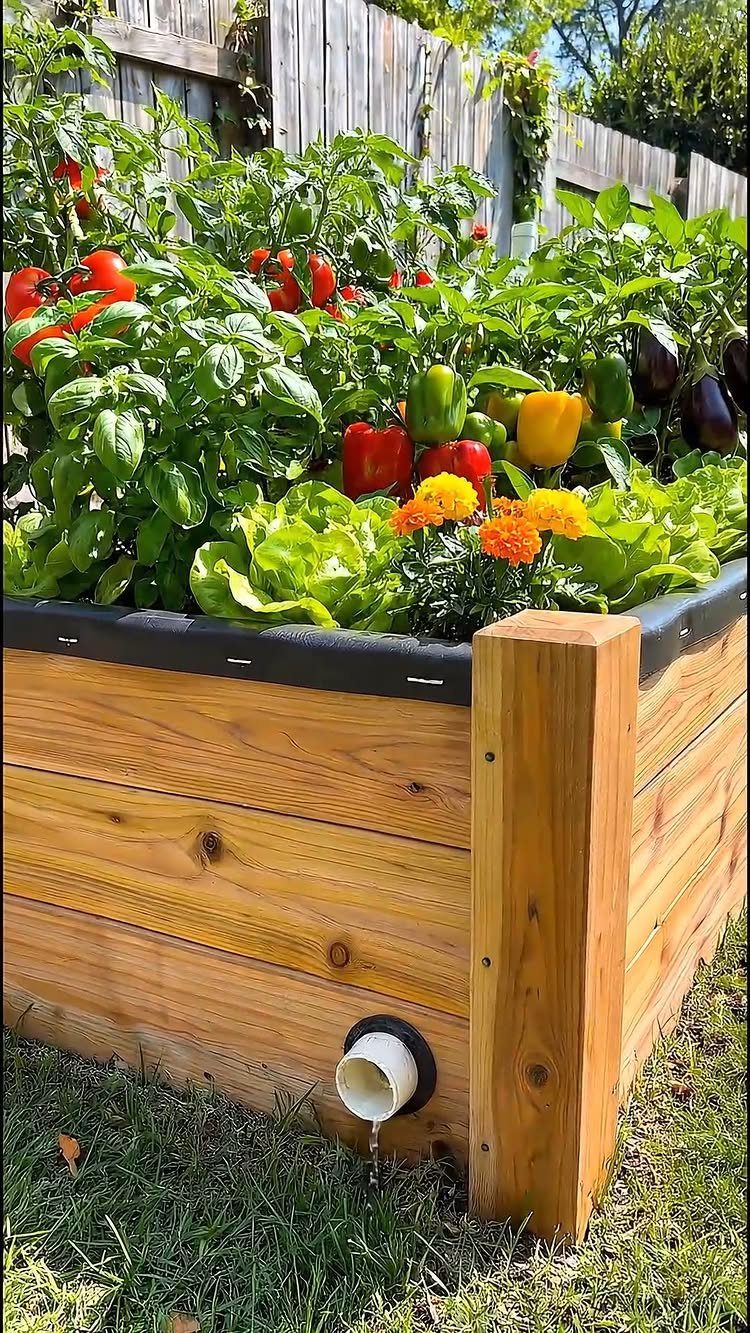
A white PVC pipe set low in the wall of a wooden bed drains excess water onto grass instead of pooling against the boards.
A bed that sits nearly level needs that pipe placed so gravity still pulls water out; any slope in your yard changes where it goes.
Clay underneath a raised bed can trap a water table where roots drown; sandier ground may need no help at all.
The pipe installs in a drilled hole before the soil goes in, so shop local hardware stores for a fit that matches your bed width.
I would add it during construction rather than retrofitting, since digging to the base of a planted bed disturbs roots badly.

Strong & Solid Craft: The hardware cloth 1/2 inch 48 x 100 ft choose high-quality wires, strong and firm welded, uniformly vinyl coated; Smooth mesh surface, each hole of the same size; Beautiful appearance, with a certain decorative function; Strong structure, high corrosion resistance; Easy to install, not easy to fade or deform

✅ Premium 1/4 Inch Hardware Cloth: Precision-welded 1/4-inch × 1/4-inch square openings ensure optimal strength and visibility—ideal for hardware cloth applications requiring fine containment and protection.

STURDY AND DURABLE: Constructed from 304 stainless steel with precision welding and reinforced weld joints for reliable strength and long-lasting performance. Designed to resist deformation under normal use and suitable for indoor and outdoor applications.
Soil Amendment Advice
Amending clay itself matters more than what goes under the frame.
Compost worked into native soil opens up structure and feeds the mix you add on top. Root crops need that loosened medium straight through, not just the top 12 inches.
For them, plan on mixing compost, sand if needed, and whatever amendment matches the crop: coir or peat for moisture retention, perlite or vermiculite for aeration, lime only if a soil test calls for it.
Filling the whole frame with bagged mix gets expensive fast; blending what is already in your yard with bought amendments stretches the budget.

Defend Against Unwanted Visitors: Gardening is a rewarding and fulfilling endeavor, and you'll watch your plants grow from nothing to maturity before you finally harvest them. Once the plants begin to flower and bear fruit, these unwelcome visitors visit your garden and often leave a trail of destruction. Garden netting is the best choice for protecting your plants

PERFECT FIT FOR 8X4FT RAISED BEDS: Designed specifically for 8ft L x 4ft W x 1ft H rectangular raised garden beds, this 2-pack set provides a snug, secure fit. The tailored dimensions ensure full coverage without excess netting, keeping your plants protected with a tidy, professional look.

PERFECT FIT FOR 2FT ROUND BEDS: Designed specifically for 2ft diameter x 1ft height round raised garden beds, this 2-pack set provides a snug, secure fit. The tailored dimensions ensure full coverage without excess netting, keeping your plants protected with a tidy, professional look.
Pest Management Tips
Neem oil handles earwigs without the broader damage of stronger sprays. It is safe around people and pets; spray it where earwigs cluster, usually under boards or thick leaf litter near the bed frame.
Barriers for raised beds work in layers.
Earwigs are the ones that crawl through those defenses, so the oil targets what the structure misses. Check the undersides of wooden boards and the gap between bed wall and soil; those cracks are where earwigs hide through the day.
Planting Considerations
Grouping "vegetables and herbs" into one bed ignores how different their needs run.
Tomatoes want steady moisture and heavy feeding; rosemary stays happier on the dry side. Putting them in the same soil means one or both underperform.
Plan each bed by what shares water, nutrient, and root-depth needs.
Leaf greens manage with less. A slow-release hugelkultur layer low in a deep bed feeds heavy feeders later in the season without extra fertilizer now.
Match the amendment to the plant. Sand for carrots; coir or peat for moisture lovers; lime only for plants that prefer alkaline conditions.
Mulch on top adjusts how fast the surface dries. Weed cloth or cardboard at the base changes moisture retention below, burlap works where burrowers are not the problem.
Cost Considerations
Scrap cedar fence panels cut the biggest cost in a wooden bed.
Scrap rules the fill too. Free composted leaves or aged manure from local sources fill space the logs do not; only the top 12 inches or so need the good stuff for shallow-rooted plants, root crops excepted.
The block itself is the main expense; no cutting, no finishing.
Frequently Asked Questions
Is it cheaper to buy or build a raised garden bed?
Building wins on cost, especially if you find scrap cedar fence panels.
Cedar resists moisture and bugs without pressure-treated chemicals, and discarded privacy fences are mostly cedar already. Pine will do the job, though it dents and rots sooner than cedar or redwood.
What vegetables should not be grown in a raised bed?
No vegetable is off-limits, but mixing incompatible needs in one bed wastes space. Tomatoes need consistent water and heavy feeding; rosemary likes it drier.
Plant them together and at least one suffers. Grouping by what the plants actually need, water and nutrients and root depth, works better than sorting by the seed packet label.
What do I put on the bottom of a raised garden bed?
Cardboard or weed cloth under the soil blocks weeds and manages moisture; burlap does fine unless burrowers move in. For hugelkultur beds, layer rotting logs and branches at the base before adding soil.
Skip the rocks on the bottom; they do not drain better and they steal space from the organic matter that actually feeds the bed as it breaks down.
What are the downsides of using raised beds?
Soil is the real expense, and stone-sided beds need nearly a full fill to give roots any room. A cage around the bed means weaving your hands through wire every time you weed or pick.
Concrete block leaches lime and raises pH, favoring alkaline-tolerant plants the first season unless you leach it first. Frost heave shifts dry-stacked walls over years, and the bed footprint becomes permanent with brick or stone.