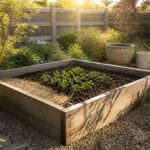
The ideas below run from a single pot on a balcony to a bed big enough for corn, beans, and squash all at once.
Your available space and how many weekends you want to spend tending are what pick the right pairing.
The 5-gallon tomato pot with basil tucked in takes one afternoon; the Three Sisters bed needs a season long enough for knee-high corn before the beans go in.
[link-whisper-related-posts]1. Basil with Tomatoes
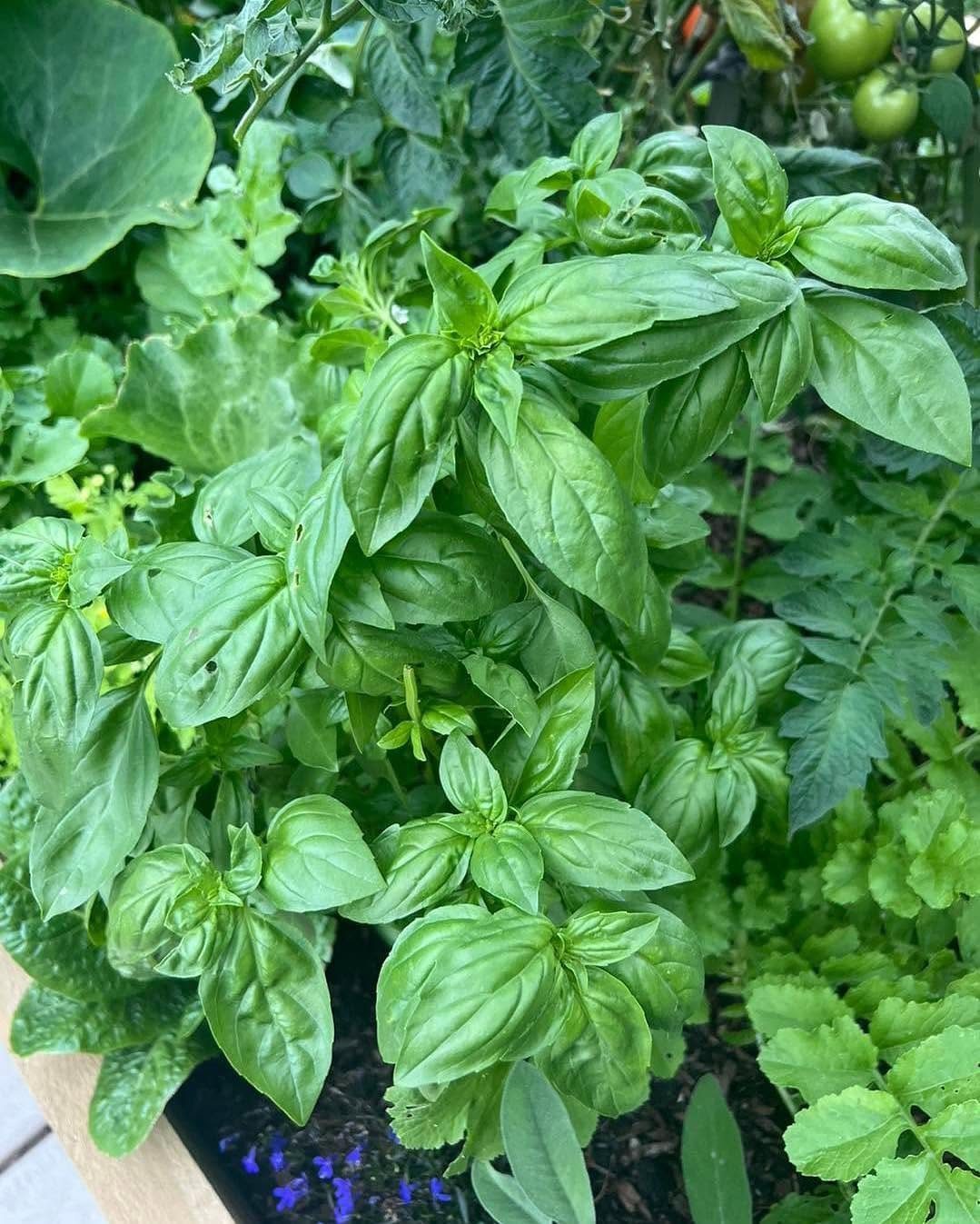
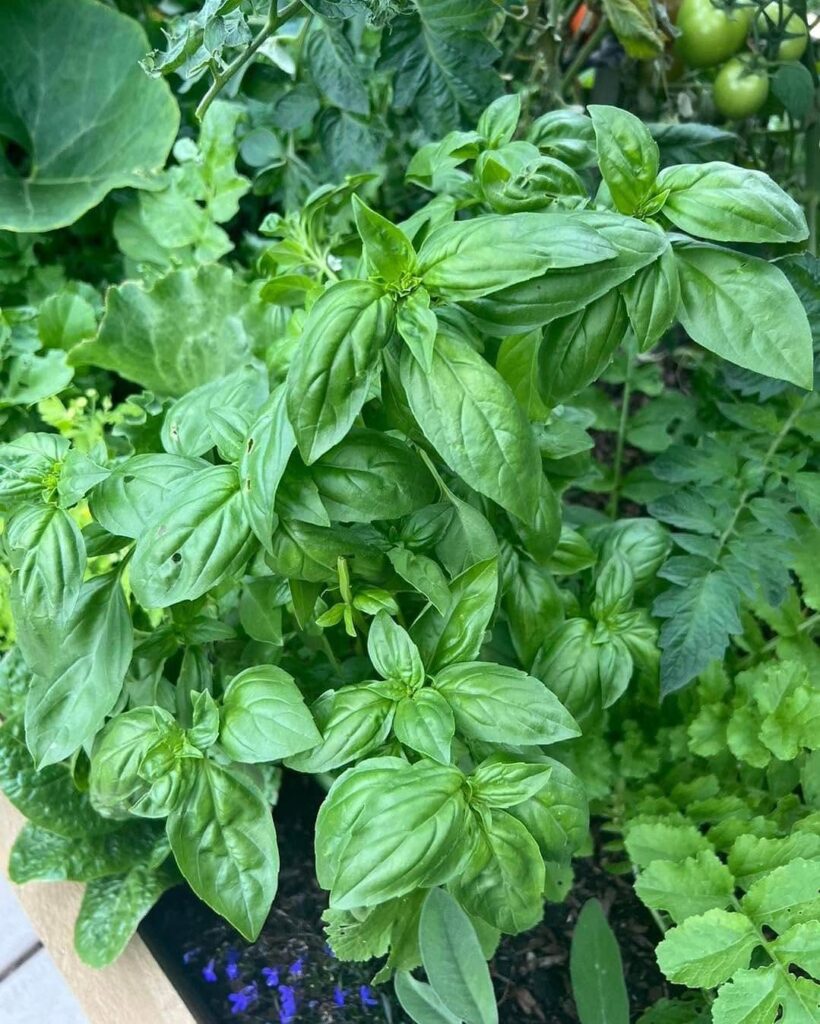
Tomatoes and basil share the same demands: full sun, steady water, and warm soil. That alone makes them easy neighbors in a raised bed or a pair of pots on a balcony.
A 5-gallon tomato pot with basil tucked in at the edge is enough; the basil still gets close enough for its scent to drift across the leaves.
The basil sends aphids, thrips, and spider mites somewhere else, and the tomatoes give the basil a little afternoon shade when the sun gets harsh. Both get picked for the same sauce, so the pairing saves a step too.
If you are growing in containers, a 5-gallon pot for the tomato and a smaller pot for the basil will sit together without one starving the other.
Basil’s strong scent naturally repels many insects that can devastate your tomato crop, like armyworms, tomato hornworms, thrips, aphids and spider mites. And, when grown together, these two plants naturally enhance each other’s flavor.

Arranging your garden with this in mind can double your bounty!

5 COMPANION PLANTS - This five-pack includes heirloom seeds for growing Large Leaf Basil (Ocimum basilicum), Borage (Borago officinalis), Compact Dill (Anethum graveolens), Crackerjack Marigold (Tagetes erecta), and Tip Top Mix Nasturtium (Tropaeolum majus)

2. Nasturtiums to Lure Pests Away from Vegetables
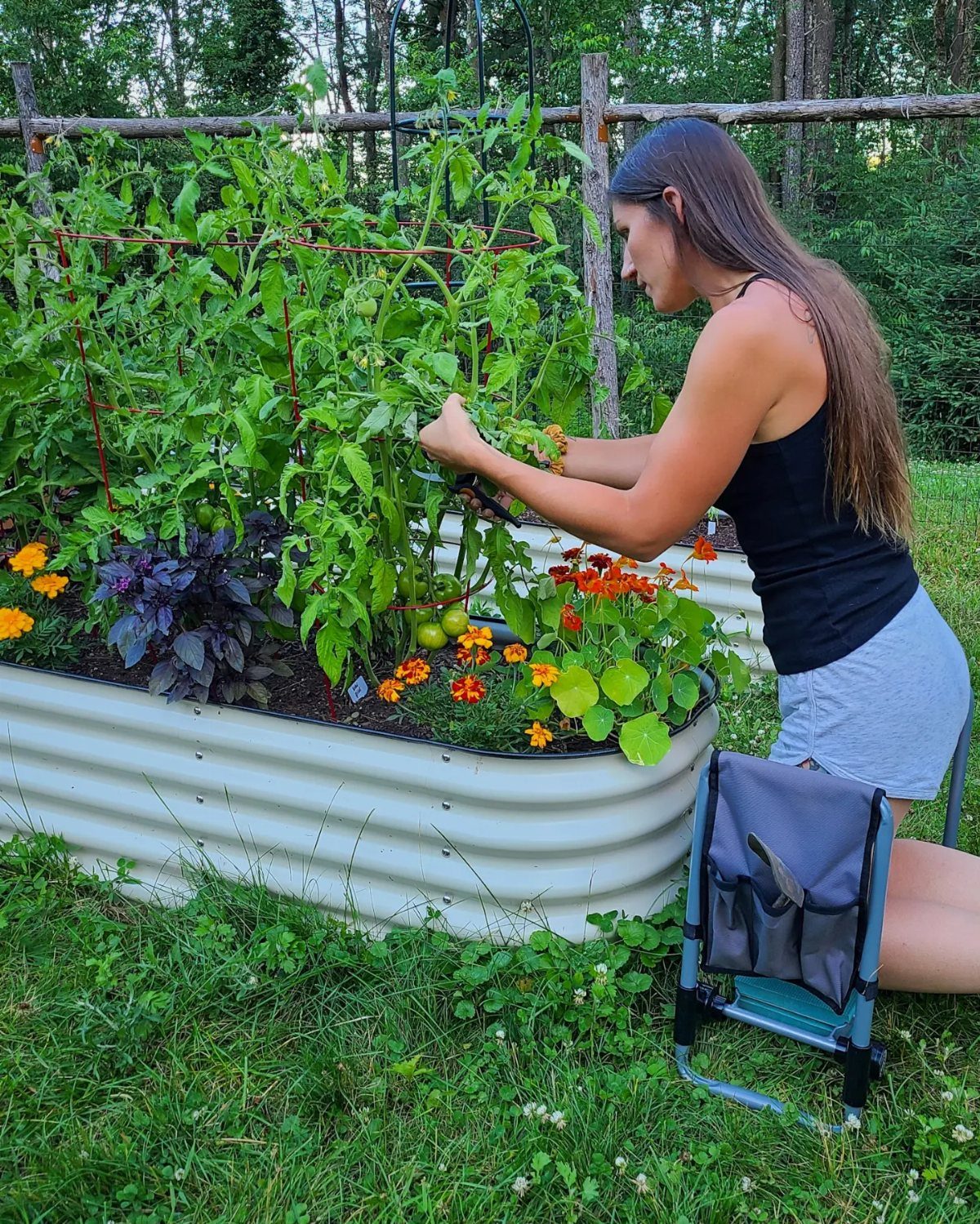
Nasturtiums work as bait. Aphids and whiteflies prefer them to your tomatoes, squash, or beans, which is the whole trick: plant them upwind or at the bed edge where the pests hit first.
The mounding types stay put, compact enough for small beds or the rim of a container.
Vining kinds spread farther and will crawl under larger crops if you let them. Either way, the flowers feed you too, peppery on a salad, and they pull in hoverflies that eat the pests you did not lure away.
I would not rely on nasturtiums alone for pest control. They are one piece, better with a few marigolds mixed in.

20pcs of yellow sticky traps specially designed to catch flying plant insects effectively. Ideal for outdoor plants and houseplants.

Trailing Growth Habit: These nasturtium seeds trailing varieties grow 18–30 inches tall with vines reaching up to 8–10 feet long, perfect for vertical gardening, trellises, and lush flower garden displays.
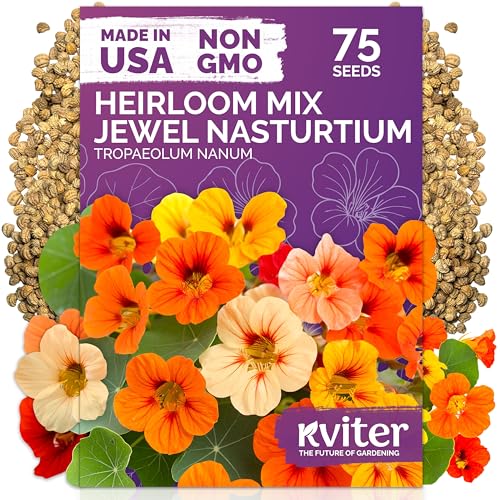
High Germination Rate: Soak dwarf nasturtium seeds overnight to reach up to 90% germination in 10-12 days at 60-65°F; flowers seeds are hardy in USDA 1-12 for gardens, window boxes & hanging baskets.
3. Corn, Beans, and Squash Together
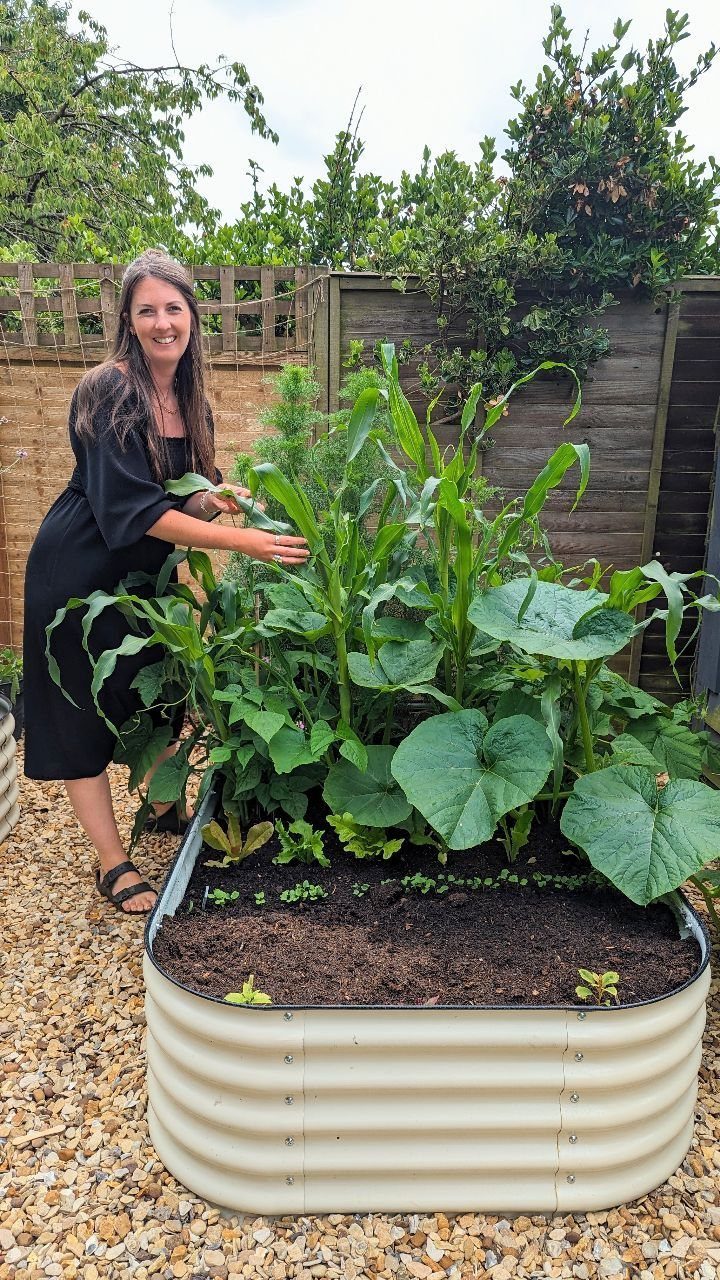
This is the 3 Sisters, a planting system older than the country you garden in. The timing matters: corn goes in first, knee-high before you add beans, so the stalks are sturdy enough to hold the vines.
Squash or pumpkin seed goes in around the same time as the beans, left to sprawl between the mounds.
The beans grip the corn, no poles to buy. Their roots fix nitrogen the other two will feed on later.
The squash leaves shade out weeds and slow evaporation from the soil surface. You need real space for the geometry to work, and all three want the same long, hot summer.
If your season runs short, this stack is not for you. Pick one crop and give it the room instead.
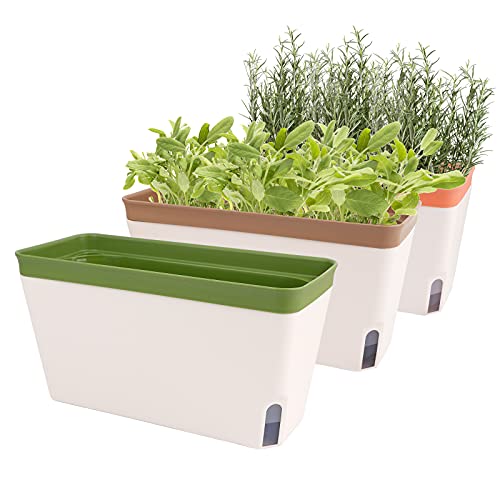
SELF-WATERING PRINCIPLE: Through two absorbent cotton ropes, the self watering pots provide water to the soil and keep the soil moist through the principle of osmosis, without having to water the plants regularly. Even if you leave home for a few days, it can help you take care of the plants and avoid plants die from water shortage.

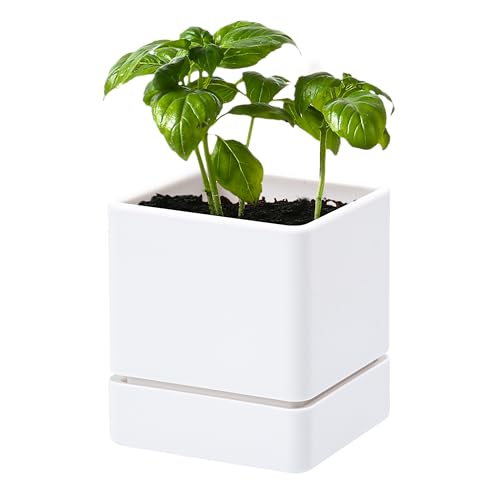
Planter Size: 4.5” W x 4.5” H, small size for placing on the windowsill, planting herbs, mint, flowers and small cactus etc.
4. Coneflowers and Black-eyed Susans
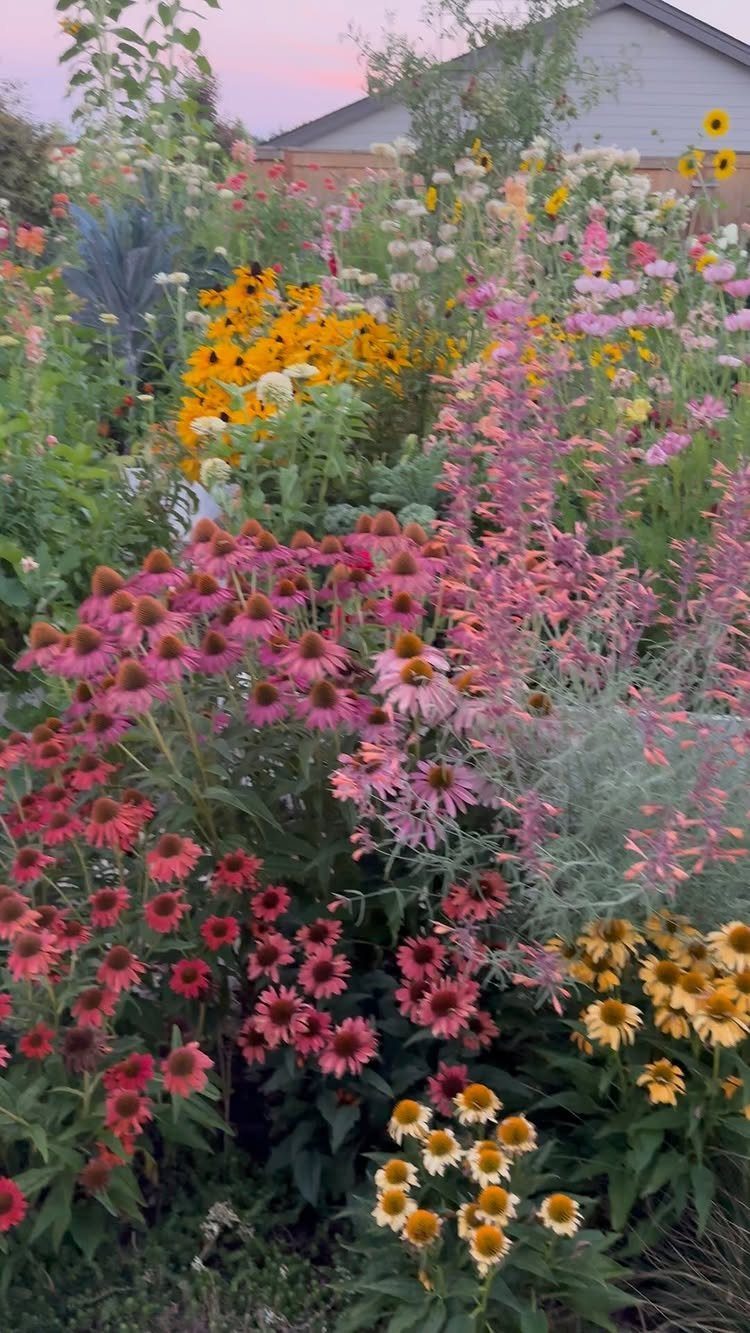
Coneflowers and black-eyed Susans bloom at the same time through high summer, both built for the same lazy conditions: poor soil, dry spells, full sun. Plant them once and they self-seed, filling a border over a few years without replanting.
Match heights so one does not flop over the other: standard coneflowers and black-eyed Susans run about the same. Both look better slightly crowded,leaning on each other, than standing in neat rows with visible dirt between.
Check your variety before you buy.
Some new coneflower hybrids are short-lived, 2 or 3 seasons, where the older purple and white strains persist. The yellow-black Susans are hard to kill; let them be the backbone you add to.

Beautiful - Large individual packets of Bantam Sweet Corn (Zea mays), Kentucky Wonder Pole Beans (Phaseolus vulgaris var. ‘Kentucky Wonder’), and Waltham Butternut Squash (Cucurbita pepo). Grow an abundant harvest in a small space.

TRADITIONAL PLANTING: Ancient Native American companion planting method featuring corn, pole beans, and squash working together for optimal growth conditions

Benefits of Companion Planting
Companion planting is less about secrets and more about paying attention to what plants already do.
Some pairings work because one species hosts insects that protect its neighbor. Others work because a plant’s roots change the chemistry underfoot, releasing nitrogen or repelling pest nematodes the way marigold roots are documented to do.
The diversity itself matters: a bed with varied growth habits, heights, and root depths buffers against the failures that wipe out uniform plantings.
Scientists back this up in study after study, though they often call it something else.
The benefit is real enough that home gardeners can use it without knowing the Latin names. The main thing is to match plants that want the same conditions and let them interact.

【Package included】:Crafted from robust hollow steel, this garden stakes features a fade-resistant green plastic coating, offering reliable protection against wind, rain, and rust. This Trellis for Climbing Plants Outdoor comes complete with everything you need to get started: 17pcs metal stakes, 8pcs T shape connect pipe, 2 A-shaped connectors, and a 0.9x1.8meter bird net.
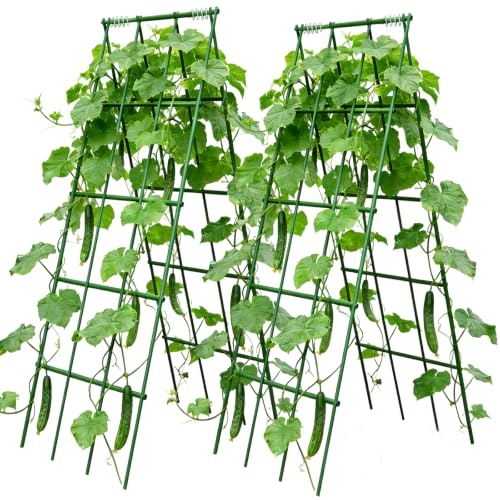
【No Assembly Required】Cucumber Trellis Out of the Box - From Packaging to Garden, Only 3 Minutes. While Other Bracket Kits Force You to Wrestle with More Than Ten Parts and a Wrench, Our No-Assembly-Required Bracket Panel Has Already Been Moved to the Garden for You, Providing a Simple and Quick DIY Erection Experience

【A-Frame Trellis】Our detachable Cucumber Trellis is widely used in gardens and backyards; It allows you to adjust the width as needed for compact storage; By utilizing vertical space, this Plant Grow Support elevates vines off the ground, maximizing sunlight exposure for better quality fruits and vegetables while boosting overall harvest and yield
Plants to Avoid Together
Some pairings simply do not cooperate.
Onions and garlic near beans or peas can hold the legumes back. Fennel is worse: it suppresses enough neighbors that I keep it in its own pot.
Black walnut deserves its own warning, its roots and leaves release juglone, toxic to tomatoes, peppers, and many common vegetables. Brassicas crowded with brassicas compete hard and attract the same pests.
With tomatoes specifically, the wrong neighbor shares diseases or draws the same insects.
Put distance between potatoes, corn, fennel, and any plant that shares the same diseases. Evidence on bad pairings is patchier than on good ones; your own failed bed teaches more than any chart.

PREMIUM HEIRLOOM SEEDS - Sourced from the USA, these non-GMO, heirloom seeds ensure robust growth, making them ideal for basil seeds for planting indoors or outdoors. Cultivate a flavorful basil plant with these premium herb seeds.


High Germination Rate: Our Genovese Basil seeds, sourced in the USA, offer a reliable option for growing fresh basil. These heirloom, non-GMO seeds typically germinate within 5 days under proper conditions, making them ideal for year-round planting.
Physical Benefits of Plants
Physical benefits are the simplest to see.
Tall corn or sunflowers throw afternoon shade on lettuce or spinach when the heat would otherwise turn them bitter. Clover under broccoli does something similar, keeping moisture where the shallow roots need it.
Sturdy plants replace purchased stakes: pole beans know what to do with a corn stalk.
Fast-sprouting radishes or mustard can mark rows for slower seeds while the soil stays soft. The only rule is to check mature size before you plant, a cornstalk that crowds its neighbor mid-August was a tiny seed in May.

The Best Value - Organo Republic Nasturtium Seeds Pack contains 1 oz or 180 of Non-GMO heirloom nasturtium seeds. Grow vibrant Nasturtium(Tropaeolum) flower with our heirloom, organic nasturtium seeds, perfect for planting outdoors. These edible flower seeds are ideal for gardens, salads, and companion planting. Enjoy colorful blooms and lush trailing growth!

Beautiful - Large premium packet of Tip Top Nasturtium (Tropaeolum nanum) seeds. This dwarf variety has whimsical foliage and a burst of colorful blossoms in red, yellow, orange, and gold. Perfect for mass planting or growing in containers on porches and balconies. The edible leaves and flowers add a peppery zest to salads. Enjoy the dual benefit of having both a stunning garden and fresh, homegrown ingredients to add flavor and flair to your dishes! Minimum of 4g per packet (about 40 seeds).

Edible: The leaves, flowers, and even the seeds of Double Gleam Nasturtiums, are all edible! The flowers are a great addition to salads to add a bit of color and to add a light peppery taste.
Trap Cropping
Trap cropping means accepting casualties. Nasturtiums pull aphids in, mustard or radish lures flea beetles, and Blue Hubbard squash draws squash bugs away from the crop I actually want.
The pests concentrate where you can find them, squash them, or remove the whole plant. It is not gentle, and it is not complete: one trap crop rarely handles a season alone.
Place the trap crop downwind or right at the bed edge so pests hit it before they reach the main planting. You are sacrificing one plant deliberately, not accidentally, which bothers some gardeners less than others.
I use it alongside other moves, a row of nasturtiums plus a few marigolds, knowing the numbers I save are partial at best. Effectiveness shifts with weather, pest pressure, and how early the trap establishes.

HERB PLANTER INDOOR - Create your own indoor herb garden for your windowsill or counter. These spacious square herb planters are the perfect size for your herbs and spices.

HERB PLANTER INDOOR - Create your own indoor herb garden for your windowsill or counter. These spacious square herb planters are the perfect size for your herbs and spices.

Indoor Herb Garden Planter with Tray - Add greenery to your home with this vintage metal windowsill planter. Herb planters for indoor plants with a farmhouse touch. Place the indoor herb planter on your kitchen counter or display the small herb planter as an apartment window planter.
Frequently Asked Questions
What plants grow well together chart?
A companion planting chart lists pairings like tomatoes with basil, corn with beans and squash, or coneflowers with black-eyed Susans.
The useful ones match plants that want the same sun, water, and soil warmth, not just random pairings. I check whether the chart explains why the pairing works before I trust it.
What plants need to be planted in pairs?
No vegetable strictly needs a partner, but some pairings solve problems cheaply. Tall corn or sunflowers shade heat-sensitive lettuce and spinach in afternoon heat.
Sturdy corn stalks replace bought stakes for pole beans. Radishes shoot up fast enough to outline a row while slower carrots or parsnips are still thinking about it, and their taproots keep the dirt loose.
What plants should you not plant together?
Keep onions and garlic away from beans and peas, where they can slow the legumes down. Brassicas packed with brassacas compete hard and draw the same pests.
Which plants can I put together?
Match plants that want the same conditions and let them interact. Nasturtiums sit at bed edges to pull aphids and whiteflies away from vegetables.