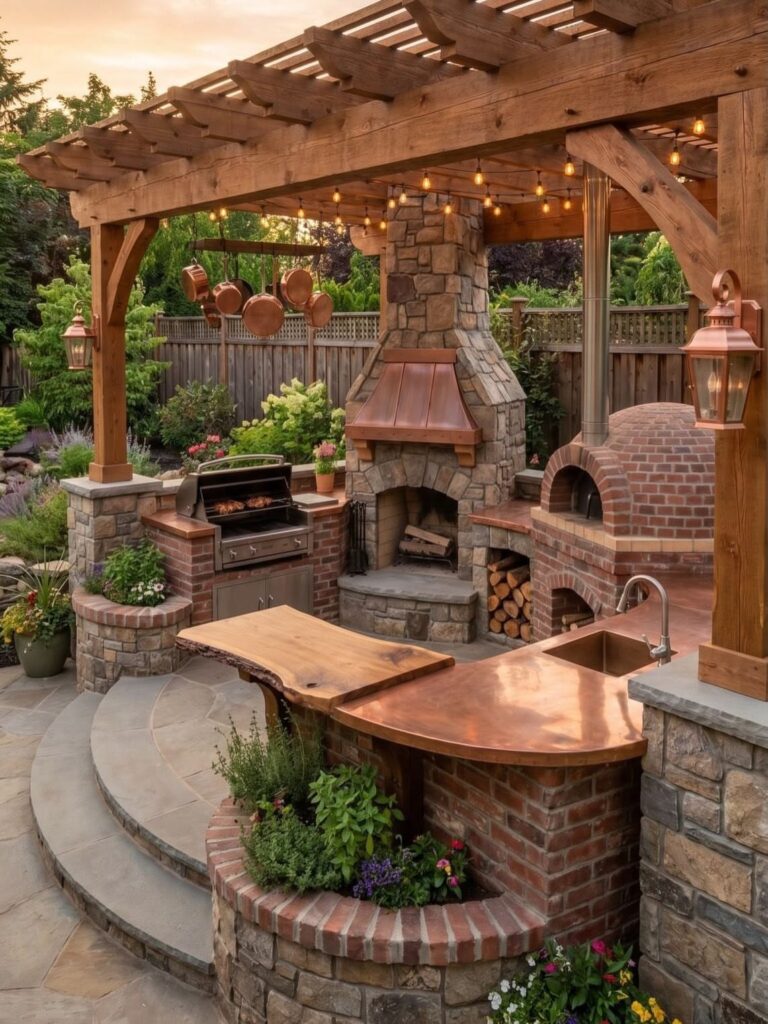
A covered outdoor kitchen with fireplace can mean a grill under a pergola or a stone chimney under glass, and the list below starts with the structure that sits around the fire.
Stone columns and a full foundation below frost line anchor the top; a prefab firebox with stone facing gets the look for half the structural bill at the bottom.
[link-whisper-related-posts]1. Built-in Fireplace
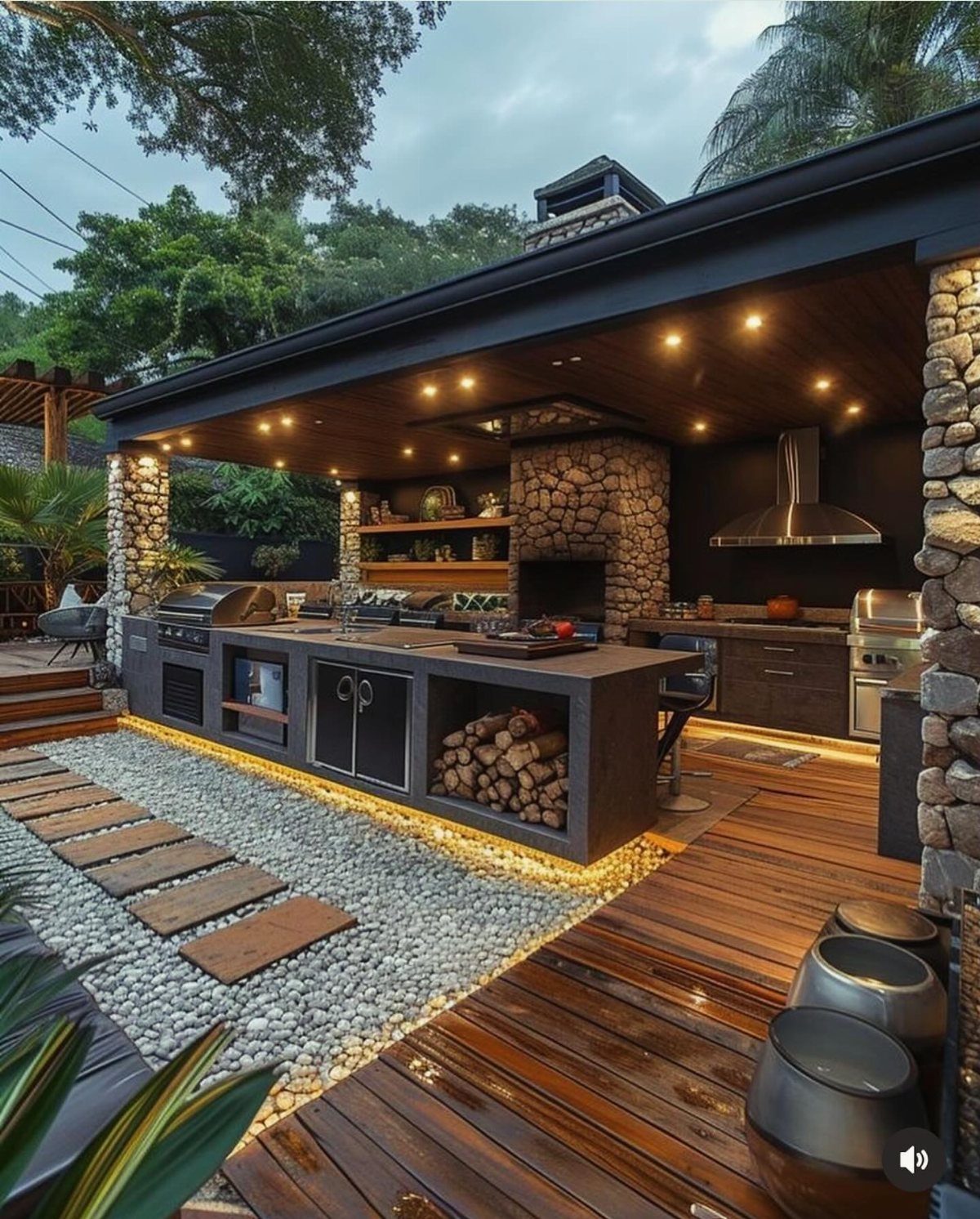
A built-in fireplace anchors the whole setup, turning the kitchen wall into something you’d actually gather around. Stone columns frame the box, which tells me the masonry carries real weight, not veneer stuck on later.
Before committing, I’d check whether the footing below can handle it.
A stone fireplace this size needs a foundation that goes below your frost line, not just a slab poured for countertops. That conversation with a contractor comes before you pick the stone.
If your budget has hard edges, a prefab firebox with stone facing gets the look without the structural bill. The appliances still slide in beside it the same way.

{Heavy Duty Design}: Panovue fire pit & fire place durable heavy-duty Steel Construction Crafted from thick, high-quality steel, this chiminea is built to endure repeated high-heat use. The firepit is rust-resistant and stable, ensuring long-lasting performance in all weather conditions.

50,000 BTU Powerful Heat Output: Create the perfect ambiance to hone in on the conversation. Our 28-inch propane fire pit can reach up to 50,000 BTU, ensures your patio and deck stays warm and inviting. The modern design and smokeless flame make it the perfect centerpiece for any occasion.

Efficient & Clean Burning Design: Our chiminea features a narrow, bulbous chimney that acts as a natural draft, efficiently drawing smoke up and away while funneling heat around, creating a cozy zone for you and your friends. The surrounding mesh screen designensures better combustion, reducing smoke and sparks, making it ideal for patio gatherings
2. Shelter for Outdoor Kitchen
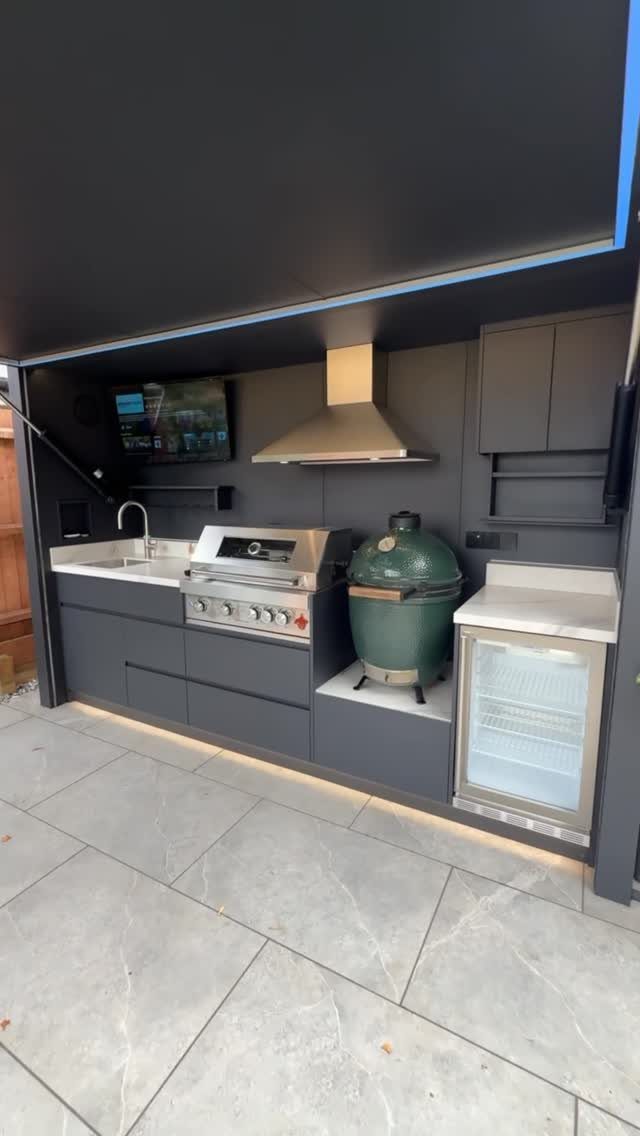
Rain or harsh sun can kill an outdoor kitchen faster than you build it. A solid overhead with a hatch that opens sits between a full roof and something too flimsy to trust.
A pergola with adjustable louvers lets you angle for shade or open to sky.
A fixed roof costs less and stays dry. A good umbrella runs cheapest and moves where you need it, though it leaves you holding the pole when wind hits.
I’d match the shelter to how often I cook out.
3 times a summer, an umbrella is honest. A fixed roof pays for itself in dry countertops and a grill that doesn’t rust.

2 parcels will shipped of the gazebo,which may arrive at different times. Rest assured, we will promptly follow up on this matter.

✔ Superior UPF50+ & All-Weather Protection – Crafted from high-density 160g PA-coated polyester fabric, this lean-to awning blocks harmful UV rays to keep your space cool. The water-repellent treatment resists light rain and dries quickly, ensuring your outdoor moments are never ruined by unexpected drizzles.

【Not Just a Grill Canopy】 Create a dedicated backyard BBQ pavilion with room for cooking, serving, dining, and relaxing. This 10x14 wood grill gazebo is made for outdoor cooking, family BBQs, patio dinners, and weekend gatherings
3. Lighting for Outdoor Kitchen
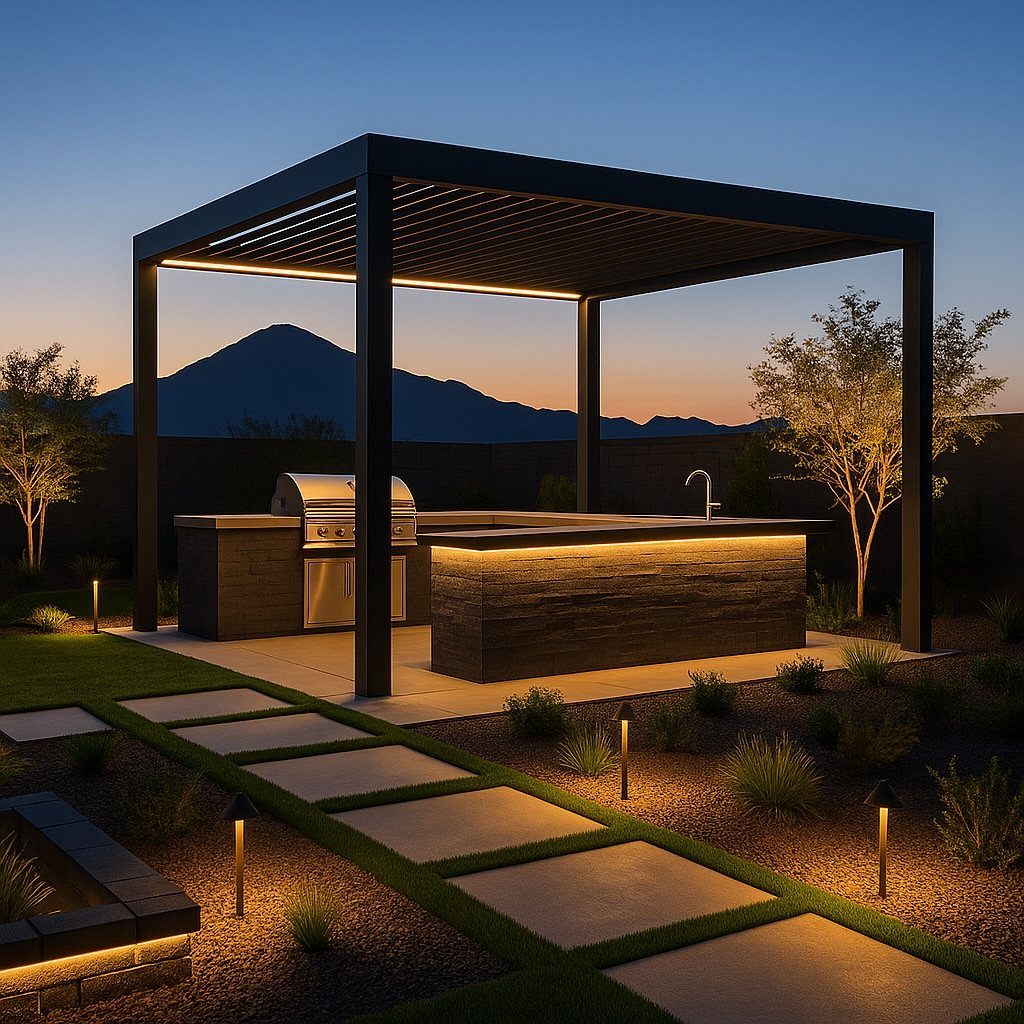
After dark, a lit grill island with no light around it is a trip hazard wearing a nice countertop. Strip lighting tucked under the bar and along the pergola rafters layers the light instead of blasting from one bulb overhead.
Overhead fixtures give you enough to move safely.
String lights or lanterns warm the space up for guests. Task lighting over the cutting board and the flame itself, so you can see whether the meat is done without phone-flashlight cooking.
I’d wire for all three during build, even if I only hung the decorative strings later. Running cable through finished stone is not a weekend job.

【Brilliant Daylight Clarity for Your Kitchen Tasks】 Illuminate your countertops with our stunning 6000K white LED under cabinet lighting, delivering crystal-clear visibility that makes chopping veggies or reading recipes a joy—no more squinting in dim corners! This 24-inch hardwired under cabinet light boasts waterproof durability, so spills and splashes in your kitchen sink area won't faze it. Ideal as under counter lights for kitchens, it transforms under shelf spaces into vibrant work zones. With energy-efficient LED tech, you get powerful under cabinet led lighting that slashes energy bills.

【Ultra Bright Under Cabinet Light】Compared with low-voltage LED strips, AC 110V-130V cabinet light strips use advanced high-voltage AC technology to provide higher brightness and more uniform lighting effects, completely eliminating dark areas and creating a bright and comfortable spatial atmosphere. In addition, it can be directly connected to AC 110V-120V household power supply, plug and play. During use, there is no voltage drop and the brightness remains consistent from start to finish.
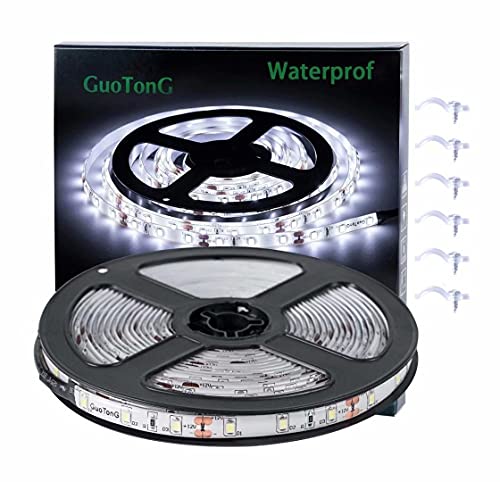
Cuttable and Connectable: This LED strip is easy to cut every 3 LEDs along the marked cutting line without damaging the rest of the strip. (Note: power adapter and dimmer not included.)
4. Storage Cabinets
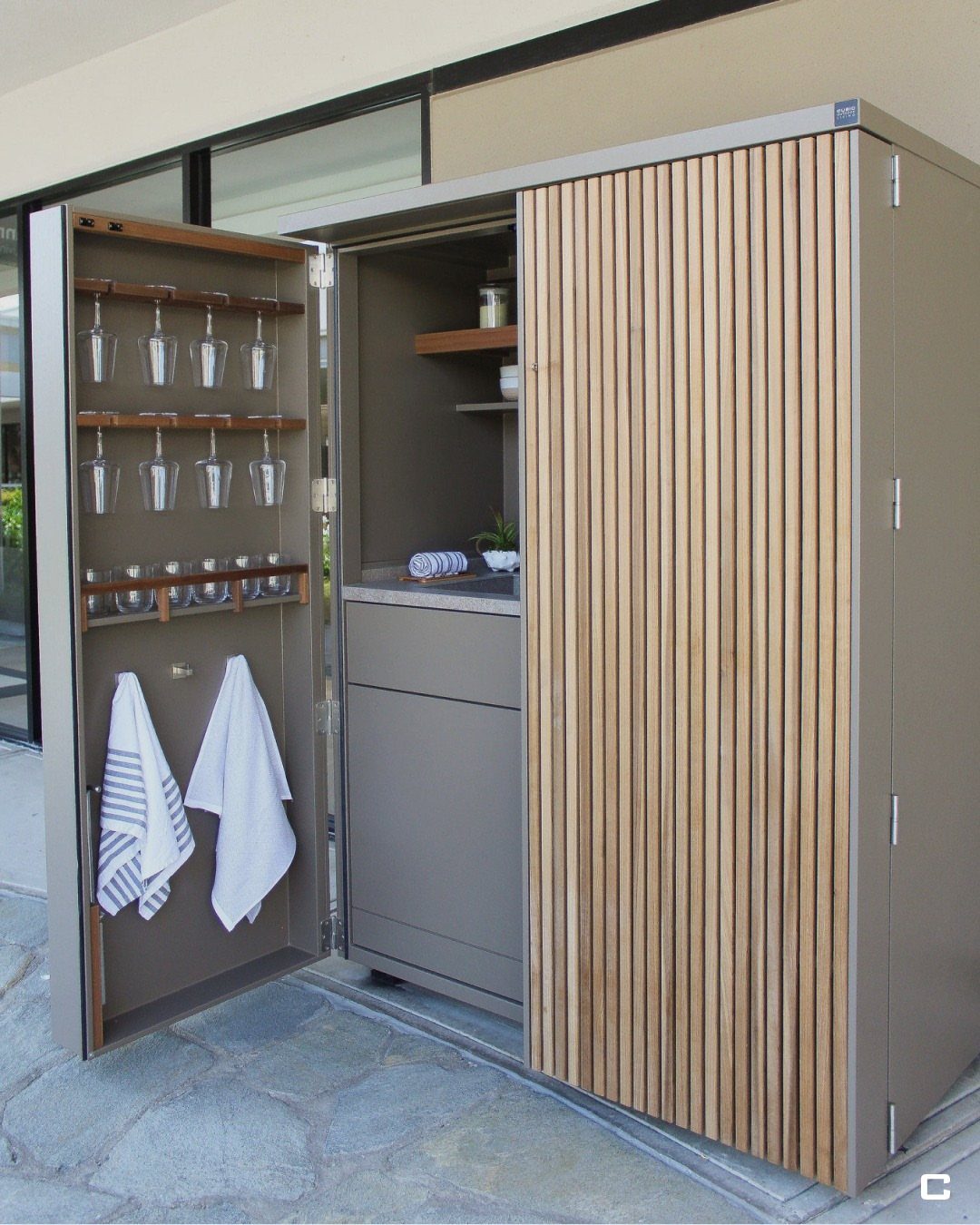
Outdoor utensils collect dust, pollen, and the odd spider faster than indoor drawers ever see.
A cabinet built for glassware with slatted doors that let air move matters more than I’d have guessed before I left a set of tongs in a sealed box through July.
I’d want at least one drawer sealed tight for the things that rust, another vented for towels and aprons that need to dry. Slatted panels do that job without looking like a locker.
If your setup is small, a single weatherproof cabinet on casters rolls to where you need it and tucks under cover when storms come.

【Durable Quality, Energy Efficient】 Brightown 30ft outdoor string lights, with commercial-grade wire and 11+1 shatterproof weatherproof LED bulbs (1 spare), reduce electricity consumption by over 90% compared to incandescent bulbs. These patio lights can be linked up to 65 strings to brightly illuminate large areas year-round, and the long-lasting bulbs ensure extended use

Outdoor String Lights: 48 ft long string lights with 15 hanging 11 watt bulbs spaced 3 feet apart. Brightech porch string lights are approved for residential and commercial lighting. Works with Alexa to turn on/off, requires hub sold separately. Connect up to 5 strands end to end. (Please NOTE: Bulbs are dimmable, dimmer sold separately. Made for use with 110v only.)

OUTDOOR DURABILITY: Design for seasonal use, can withstand harsh outdoor conditions; use this string light to light up your path to take care of business; Parallel circuit, so despite having one broken bulb, all other bulbs will remain steadily lit
5. Rustic Timber and Stone Layout
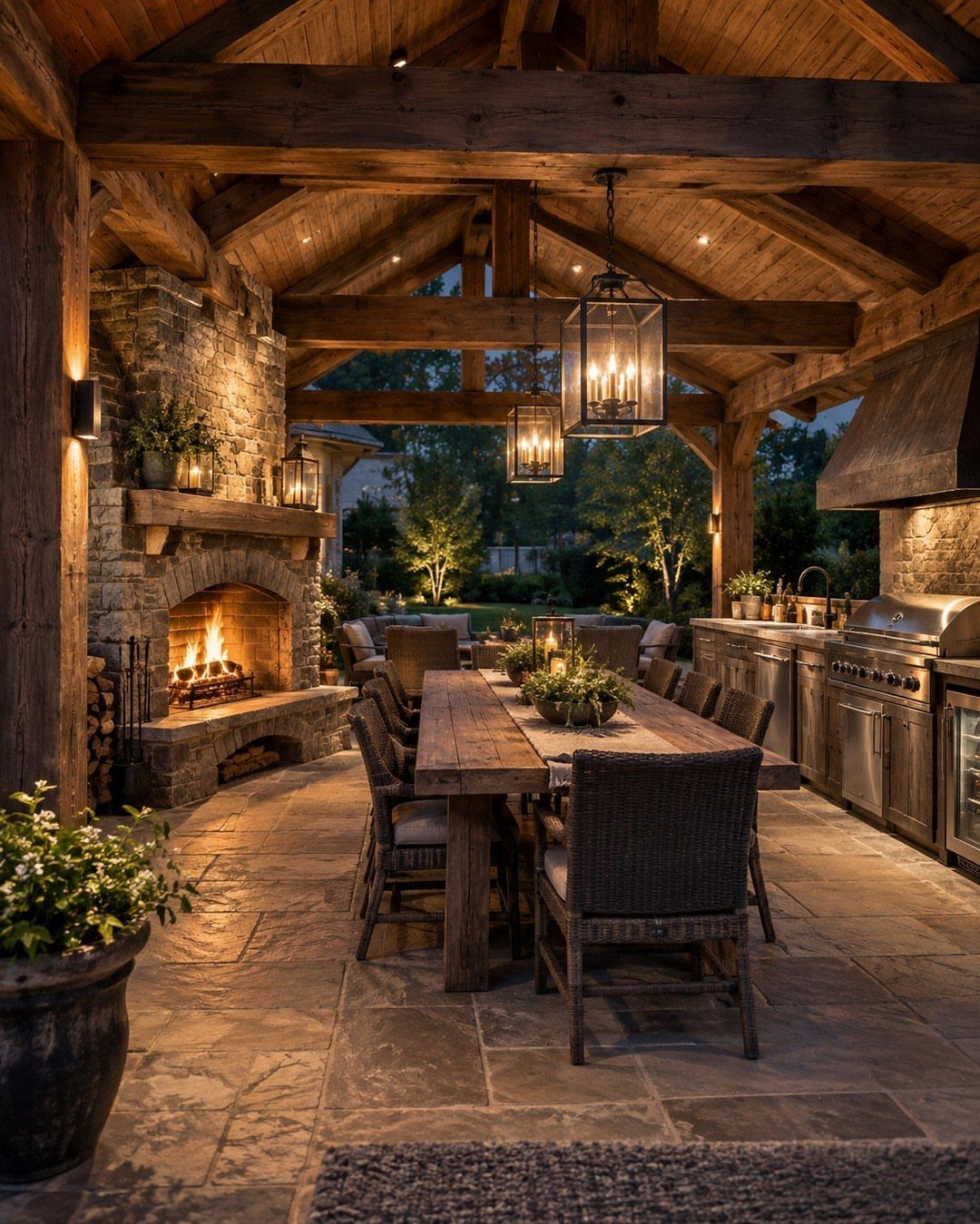
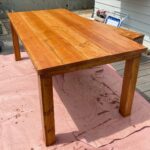
Heavy timber and raw stone read as one thing because the materials age together. Beams that look hand-finished, a fireplace that could have been built from fieldstone on the spot, and a dining table long enough to need both.
This layout eats space.
The beams need span, the stone needs mass, and the table needs clearance on all sides. I’d want enough room under cover before I tried it, or the proportions turn cramped and the fireplace dominates instead of anchors.
The room feels discovered rather than installed.
For a cabin or a house with cedar siding already, it extends what you’ve got. For stucco and glass, it fights the architecture.
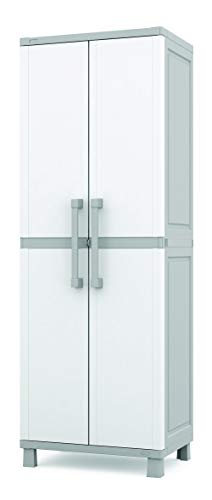
DIMENSIONS: 25.5"D x 19.6"W x 72.6"H

Precision Opening: Overall dimensions: 762x533x46 mm / 30x21x2 inches, installation size: 27x18inch/677x448mm, it is recommended to reserve an additional 0.08inch/2mm on this basis for better operation. The door is designed specifically for outdoor kitchens and barbecue islands. With precise dimensions, it is easy to process, install, or dismantle. Available in various sizes and styles, it is perfect for indoor/outdoor kitchens and all other outdoor weather conditions.

Precision Opening: Overall dimensions: 610x610x48 mm / 24x24x2 inches, installation size: 21x21inch/525x525mm, it is recommended to reserve an additional 0.08inch/2mm on this basis for better operation. The door is designed specifically for outdoor kitchens and barbecue islands. With precise dimensions, it is easy to process, install, or dismantle. Available in various sizes and styles, it is perfect for indoor/outdoor kitchens and all other outdoor weather conditions.
6. Pergola Kitchen with Stone Fireplace
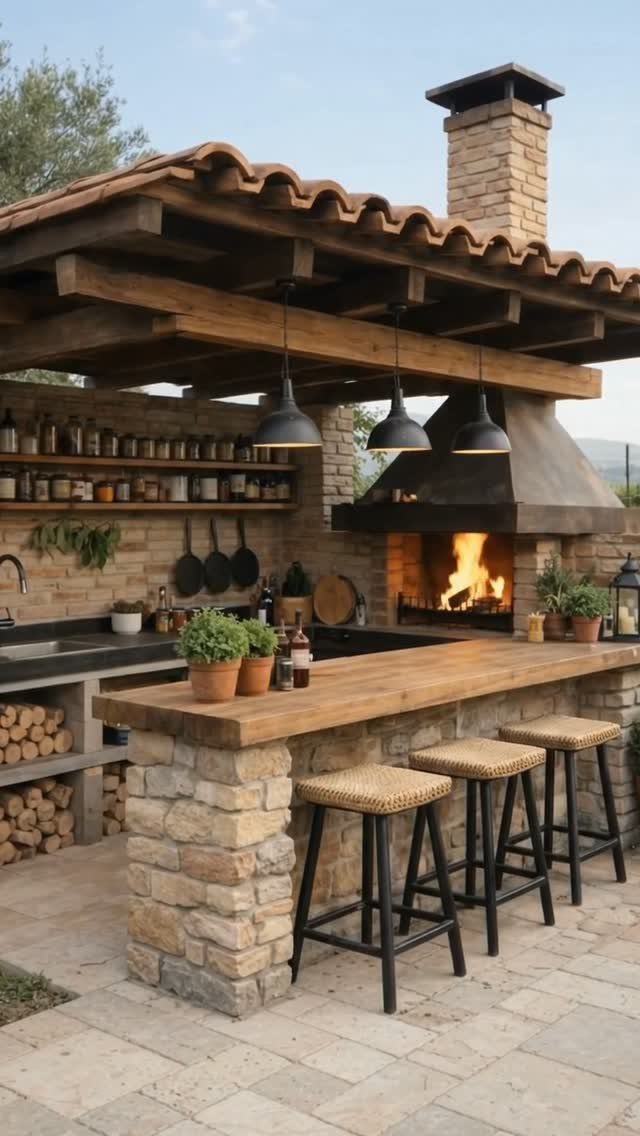
A solid roof over stone gives you full cover and real presence.
A tiled roof overhead, stone bar with stools pulled up, and the fireplace burning at the far end turns the kitchen into a sequence: cook here, drink there, warm up last.
The open sides mean weather still reaches you.
I’d plan for wind blocks on the prevailing side, maybe retractable panels or a planted hedge, so the fire’s heat stays where people sit. Without that, a February evening loses its charm fast.
Stone bar, stone fireplace, wood counters between them: the materials repeat enough to hold together and vary enough to keep eyes moving. I’d stain the wood darker than the beams so it doesn’t all flatten to one brown.

OUTDOOR FIRE PIT - Spend cozy evenings with family or friends around the fire pit. Create memorable evenings while enjoying a cozy fire with the patio fire pit. This small fire pit is an ideal blend of modern design and natural elements with beautiful cutouts.

[Large Size& Beautiful Design]: Panovue fire pit is 35 Inch (the maximum size when opened) holds up to 20 lbs. firewood. The mesh surface is equipped with tree patterns; create charming light and shadow effects in the night and flames. In addition, large-scale mesh design in the fire pit ball brings sufficient air and creates a super-efficient burn. Panovue firepit can continuously offers roaring fire lit up your bonfire party.

Chic Backyard Addition: Taking cues from crude rustic charm, this square fire pit is engraved with rock patterns and sports a matte black finish, which can let you embrace the allure of rustic elegance and add a thick chic countryside touch to your backyard/garden/patio
7. Glass Roof with Stone Chimney
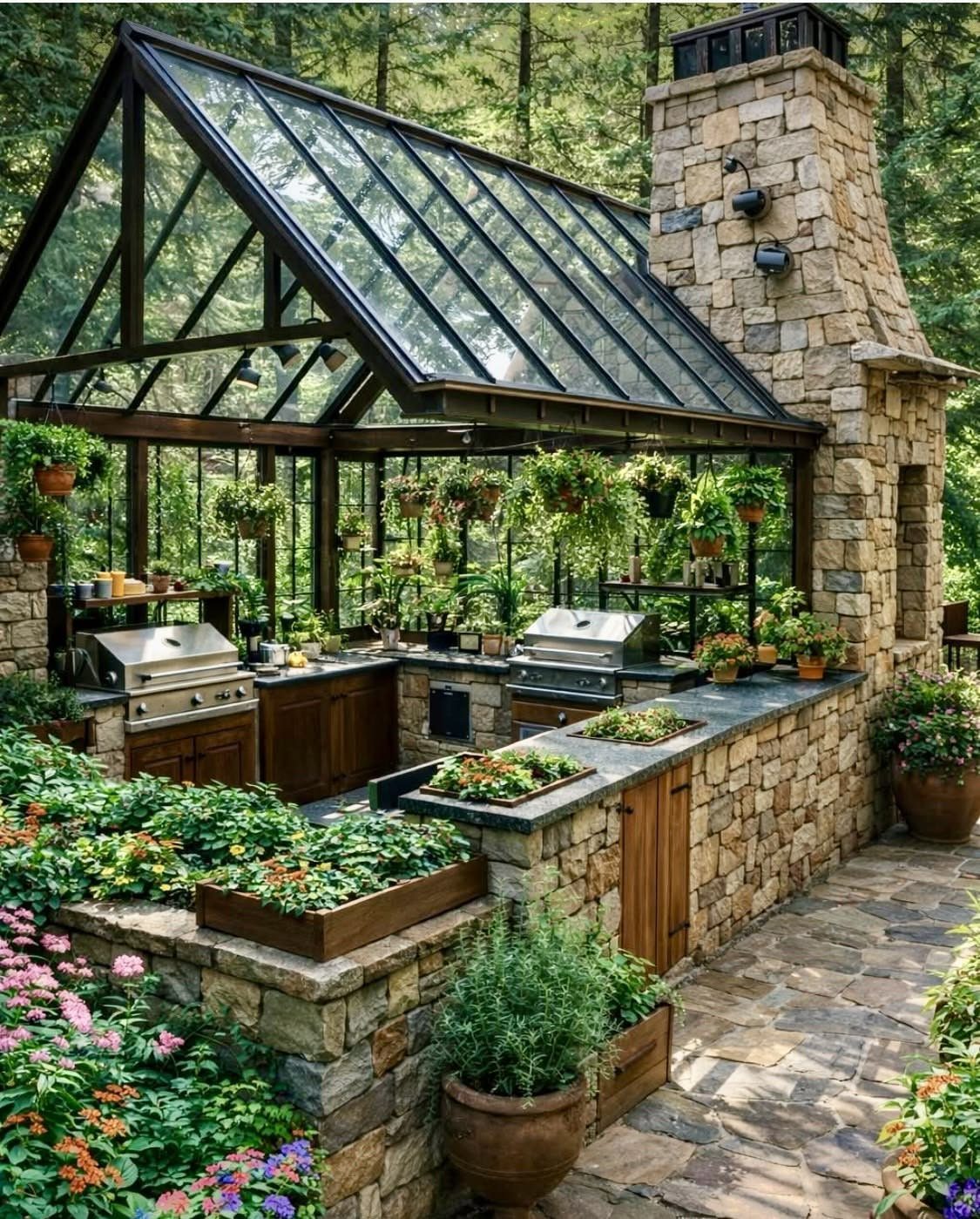
Glass overhead turns rain into scenery and keeps the smoke rising instead of settling. Stone counters and a full chimney below keep the kitchen grounded in something that lasts.
The greenhouse-style frame needs slope for runoff and seals that won’t bake out in summer.
I’d check load ratings for snow if that’s your winter, and plan for venting that opens, because trapped heat under glass turns August into a sauna.
Stone walls on 2 sides hold heat from the fire and block wind while potted greenery softens the edges without closing the view. Potted herbs on those walls put the kitchen to work even when you’re not cooking.
This one asks more budget than a pergola and more planning than an open sky. Rain starts falling and everyone else runs indoors; you stay put under glass with the fire still going.

【All Aluminum Top Frame & Superior Load Capacity】The aluminum roof and column structure have been subjected to comprehensive structural engineering tests to guarantee the stability. This pergola is firmly attached to both the wall and the ground, offering impressive wind resistance of up to 40 mph. It can easily support up to 6 inches of snow. With an outstanding load-bearing capacity of 55 lbs/㎡, it remains steadfast against harsh conditions such as heavy snowfalls and heavy rains

【Upgraded Roof & UV Protection】This hardtop gazebo features a reinforced galvanized steel roof that blocks 100% of UV rays, friendly for UV-sensitive users. The durable metal gazebo structure supports up to 77 lbs/㎡, handling heavy snow loads of 6 inches effortlessly.

【EXTRA SOLAR LIGHTS & STURDY FRAME】The wall-mounted gazebo features durable powder-coated aluminum for strong support and resistance to fading, rust, and corrosion. Pergola with pre-drilled feet and ground stakes for added stability, awnings for patio ensures secure and reliable use. The included solar light enhances ambiance and illumination for enjoyable outdoor evenings.
Budget Considerations
Before I ever called a contractor, I’d need to know if the fireplace was the hill I’d die on or if a prefab firebox dressed in stone would scratch the itch for half the price.
The shelter follows the same choice. Fixed roof, adjustable louvers, umbrella: each step down frees cash for something else.
Extras wait. Run the cable for 3 lighting layers during the build, hang the decorative strings when there’s cash left.

LED Strip Light Mounting Brackets with two fixing methods:adhesive and iron screws,suitable for any scene you want .check up your led strip light size (width need<10.5mm and height need<2.8mm ) before buy these led brackets

💡"Invisible" LED Cabinet Lights -- Narrow light bar design provides brilliant illumination at a minimum footprint. The kitchen lights under cabinet are the great, affordable answer to areas where you need more light but are on a budget. Great compact lights that allow a lot of possibilities.

【Ultra Bright Under Cabinet Light】Compared with low-voltage LED strips, AC 110V-130V cabinet light strips use advanced high-voltage AC technology to provide higher brightness and more uniform lighting effects, completely eliminating dark areas and creating a bright and comfortable spatial atmosphere. In addition, it can be directly connected to AC 110V-120V household power supply, plug and play. During use, there is no voltage drop and the brightness remains consistent from start to finish.
Functionality and Usability
Every layout in the list needs room to move.
Prep space matters more outdoors than in. Chopping, marinating, plating for the grill: it all happens before the flame.
That stone bar with stools under the pergola works only if the counter stretches far enough for the cook to work and the drinker to lean without bumping elbows.
Utilities need planning before stone goes in. Gas for the grill, electric for the fridge and the task lighting, water if you’re adding a sink.
Each one wants access that doesn’t cross the traffic path. I’d draw the triangle first, then build around it.

36 FT Outdoor String Lights: 2W patio string lights with 12+1 plastic LED bulbs and 2W bulbs are much brighter than 1W. This hanging string light emits a soft 2700K warm glow, creating a comfortable and cozy ambiance in your backyard for a happy time
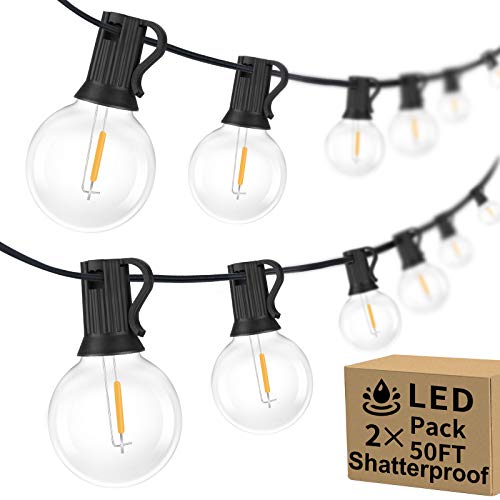
【Waterproof & Shatterproof, Safe For Use】With fully sealed and waterproof design socket, The outdoor string lights can stay under the sun, rain, even in the worst weather conditions. Unlike other string lights that made by glass which easy to crack and heavy, the bulbs of our 100ft G40 outdoor backyard lights are made by plastic. It won’t be easily broken while dropping down or blow away by the wind, much safer for using, keep you away from dangerous shards

Ultra Energy-Saving: These alitade stylish and functional LED energy-saving outside string lights dramatically reduce your 95% electricity bills compared with incandescent bulb ones. 30,000 hours long lifespan could reduce maintenance costs on changing bulbs frequently.
Outdoor Cooking Experience
Cooking outdoors turns food prep into something slower and more social.
Chopping vegetables on a stone counter with the grill heating beside you feels less like work than the same task under kitchen fluorescents. The onion tears don’t follow you outside.
Kids at the counter change the dynamic.
They shape burgers, thread skewers, learn heat and timing in a space where the mess doesn’t matter as much. The time spent is the return, not the meal itself.
The fireplace extends that social range past the cooking window.
People gather while someone else mans the grill, then stay after the plates are clean. Without it, the kitchen empties when the food does.

【PATENTED FARMHOUSE DESIGN】 Our storage cabinet and potting bench table is made from premium cedar wood with water-based gray coating, designed for classic farmhouse style with US. Patent application

🏠Weatherproof Resin Material: Crafted from durable, high-quality resin, this outdoor shoe cabinet defends against rain, moisture, and daily wear, keeping contents dry even in uncovered entryways. Built to last season after season.

200 LB SHELVES, COMMERCIAL GRADE. Two metal-reinforced shelves each hold up to 200 lb with weight evenly distributed, so this heavy-duty plastic storage cabinet with doors handles garage power tools, paint cans, and bulk supplies flimsy units can't.
Seasonal Use
For a glass roof space with stone walls on 3 sides, the fire’s heat lingers in the mass and the enclosed volume carries further.
Open pergola sides let the heat wander off; I’d want something solid on the windward side so a February night still feels like an occasion.
Patio heaters fill the gap for larger layouts where the fireplace doesn’t reach every seat. They’re supplemental, not a replacement, and they want the same fuel planning as the grill.
Lighting layers matter more as nights get longer. Wire for all three while the walls are open; hang what the budget allows now, patch in the rest when the credit card recovers.
Frequently Asked Questions
How do you cover an outdoor kitchen?
The louvers on these pergolas let you tilt for shade or roll back on a clear night, while a solid roof means you never chase the hardware when rain hits.
An umbrella runs cheapest and moves where you need it, though wind becomes your problem then.
What are those outdoor fireplaces called?
Built-in fireplaces are the masonry ones that anchor a wall and need a foundation below the frost line. A factory-built firebox wrapped in ledgestone gave this homeowner the masonry look without footing a structural engineer.
What are the common problems with outdoor cabinets?
The drawer I left sealed shut in April held a set of tongs that were orange with rust by August; the open slatted one beside it kept towels dry but let in a wasp nest.
Without that mix, you replace tongs and wonder why the glassware smells like mildew.