These ideas run from a free rotted chair hauled off a curb to a vertical rail system that needs stud-mounted hardware, and the one that fits depends on how much weight your spot can hold and how many hours of sun it actually gets.
A fifty-five-gallon drum cut in half and raised on a stand keeps lettuce out of rabbit reach, while a shallow dish with a single small drain hole keeps echeveria alive on mist and very careful watering.
[link-whisper-related-posts]1. Thriller, Filler, and Spiller Plant Pots
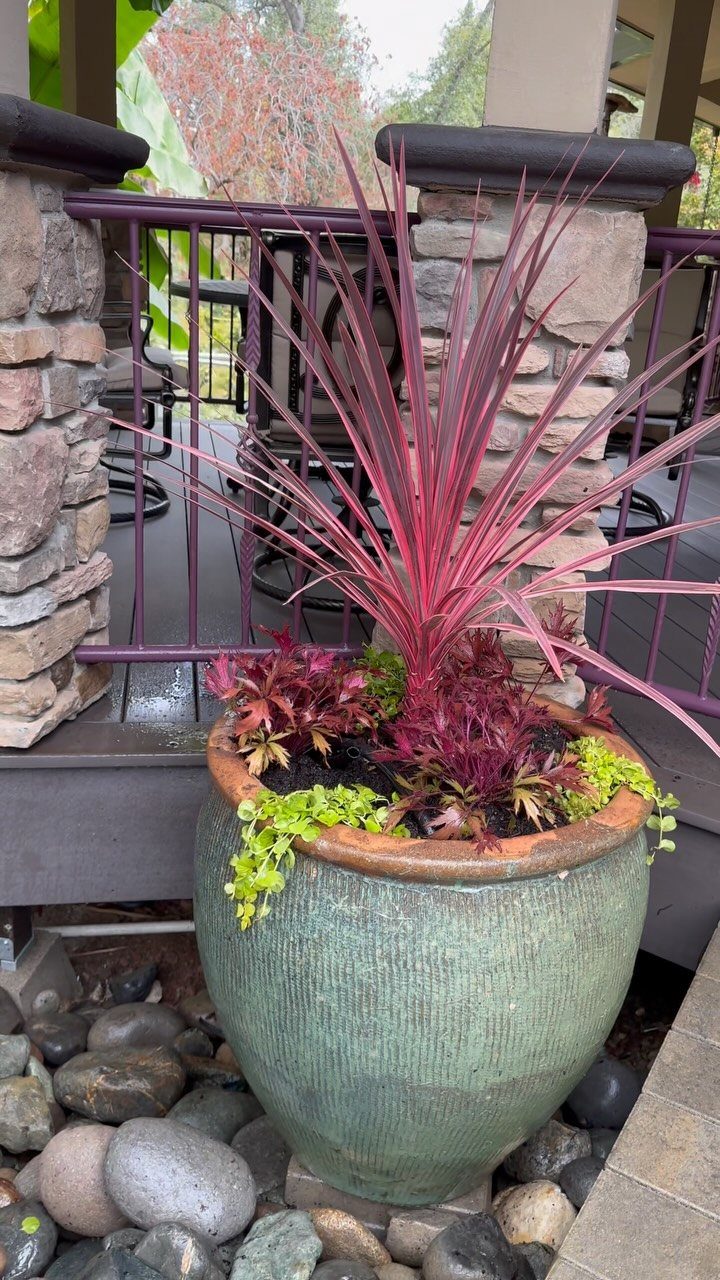
A tall pink spike, red-leafed mounds, and creeping Jenny trailing over the rim turn one pot into a full scene.
I buy for 3 roles now: vertical drama, middle body, and something soft over the edge. The tags tell me mature height and spread, so I can guess which plant plays which part before I check out.
Sweet potato vine works where creeping Jenny won’t take the heat. This method costs no more than grabbing whatever looks pretty, but the pot fills out and looks finished instead of leggy and half-empty.

HOLD IT MATE USA Patented connectivity to Vertical Spindles Brings your Railing to Life! Plant holders for railings! Add a stair plant holder or deck plant hanger easily!

{Premium Material}: Our garden wall planters bags choosing high-quality felt materials with good air permeability can better store and release water to promote healthy plant growth. It is lightweight, sturdy, convenient, foldable, durable and anti-aging.
2. Add a Little Small-space Drama
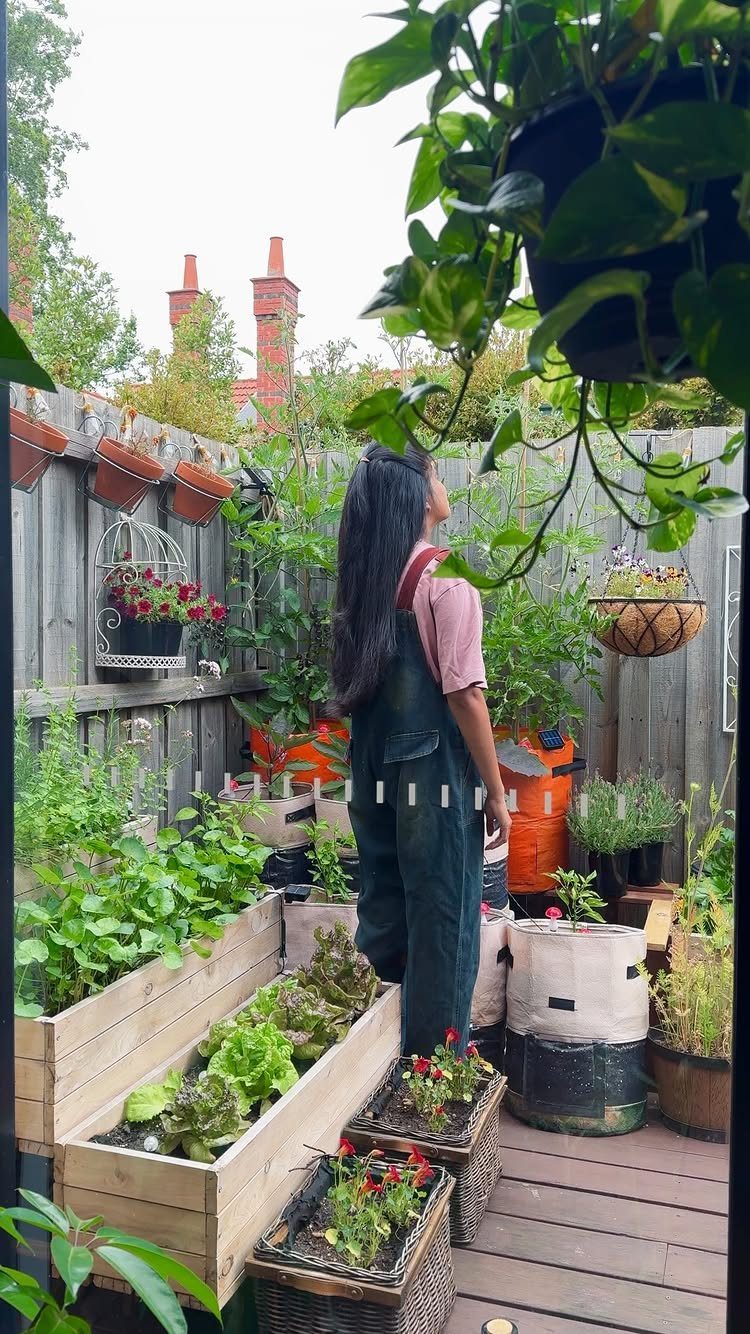
Stacking heights is what makes it work: ground, rail, post, and wall all hold something living.
I check sun hours first, since a north-facing fence and an open corner grow different things. Australian Wooly Bush and crocosmia ‘Lucifer’ take blistering heat if that is what you have; swap in ferns and impatiens for shade.

Price For: Each Material Thickness: 0.087" Standards: DOT 49 CFR 173, FDA Item: Transport Drum Material: HDPE Packing Group: II and III of Hazardous Materials Bung Hole Dia.: 2" NPT x 3/4" Fittings Volume Capacity: 55 gal. UN Rating Liquid: 1H1/Y1.8/100 Overall Height: 34-3/4" Load Capacity: 824 lb. Head Type: Closed Head Outside Dia.: 23-1/4" Inside Dia.: 23"

Price For: Each Standards: DOT 49 CFR Item: Transport Drum Material: Steel Color: Black Packing Group: II and III of Hazardous Materials Head Type: Closed Head Outside Dia.: 23" Inside Dia.: 22-1/2" Bung Hole Dia.: 2" NPT x 3/4" Fittings Gauge: 18 Volume Capacity: 55 gal. UN Rating Liquid: 1A1/Y1.8/300 Interior Coating: Epoxy Phenolic Overall Height: 34-7/8"

Price For: Each Item: Transport Drum Material: Polyethylene Head Type: Closed Head Packing Group: II and III of Hazardous Materials Load Capacity: 870 lb. Outside Dia.: 23-3/10 Color: Black Weight: 25 lb. Bung Hole Dia.: 2" NPT x 2" Buttress Fittings Volume Capacity: 55 gal. Material Thickness: .140" UN Rating Liquid: 1H1/Y1.9/150 Overall Height: 34-4/5"
3. Don’t Forget the Bling!
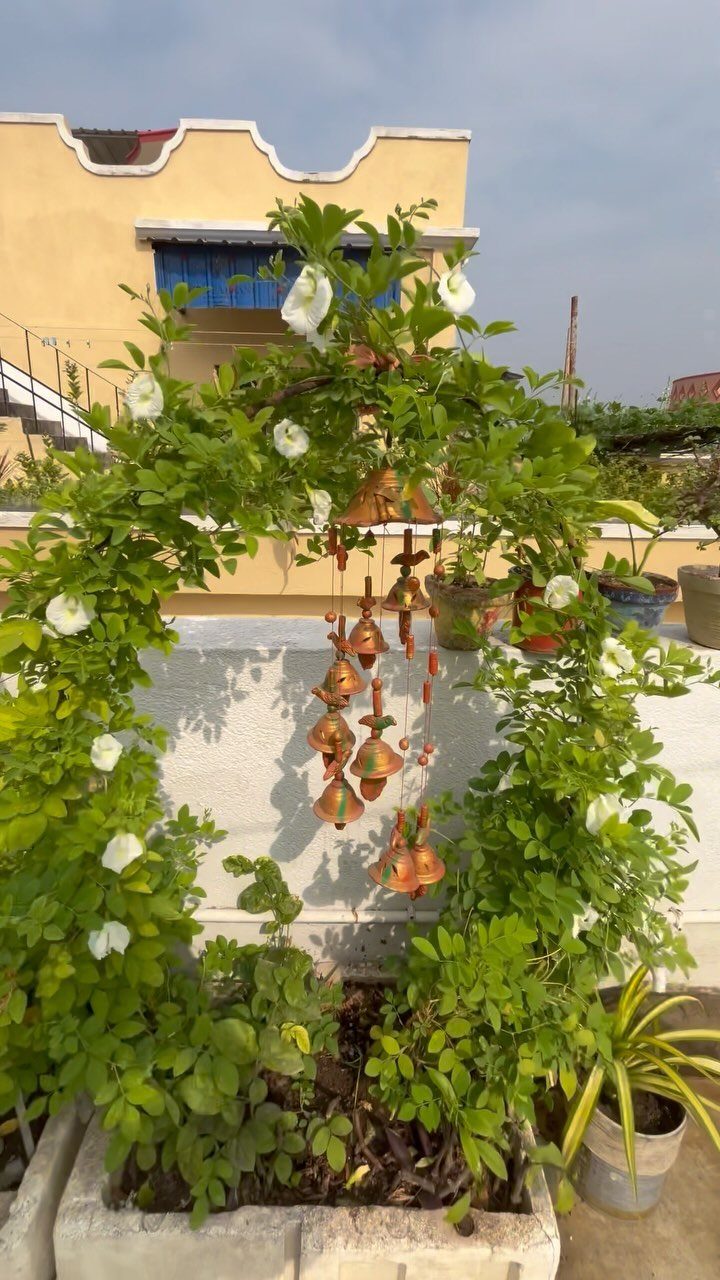
Tumbled glass, crystal balls, pinecones, or moss picked off an old roof turn a container from planted to personal.
I like the sun-catchers best; when the light hits right, they throw little rainbows against the leaves. Pinecones do double duty in fall, adding texture and distracting squirrels from digging.
Moss works as loose mulch over bulbs, soft enough that shoots push through. Something that moves or catches light, not growing but alive to the eye, does the same work as a plant.
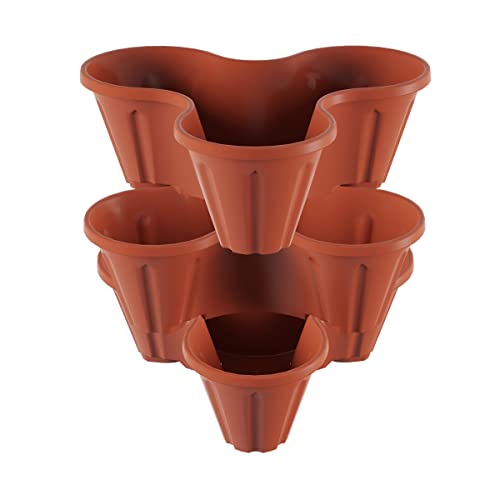
STACKABLE- These unique herb and flower pots are designed to be able to be stacked upon one another. With 3 planting areas per pot and 3 pots let you have up to 9 plants stacked vertically, saving space and creating a unique look in any space!

Space-Saving : This strawberry planter maximizes your gardening space by stacking 5 layers to grow more plants in a compact area. The strawberry tower planter is ideal for patios, balconies, or indoor use
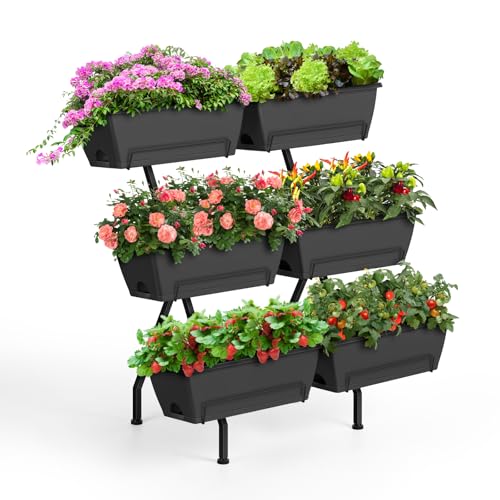
【Space-Saving Vertical Garden System】 Six stackable planters transform tight spaces into lush gardens – perfect for urban balconies, small patios, or indoor greenery. Strategically alternate herbs, flowers and vegetables across tiers to create your perfect mini ecosystem.
4. Shady Container
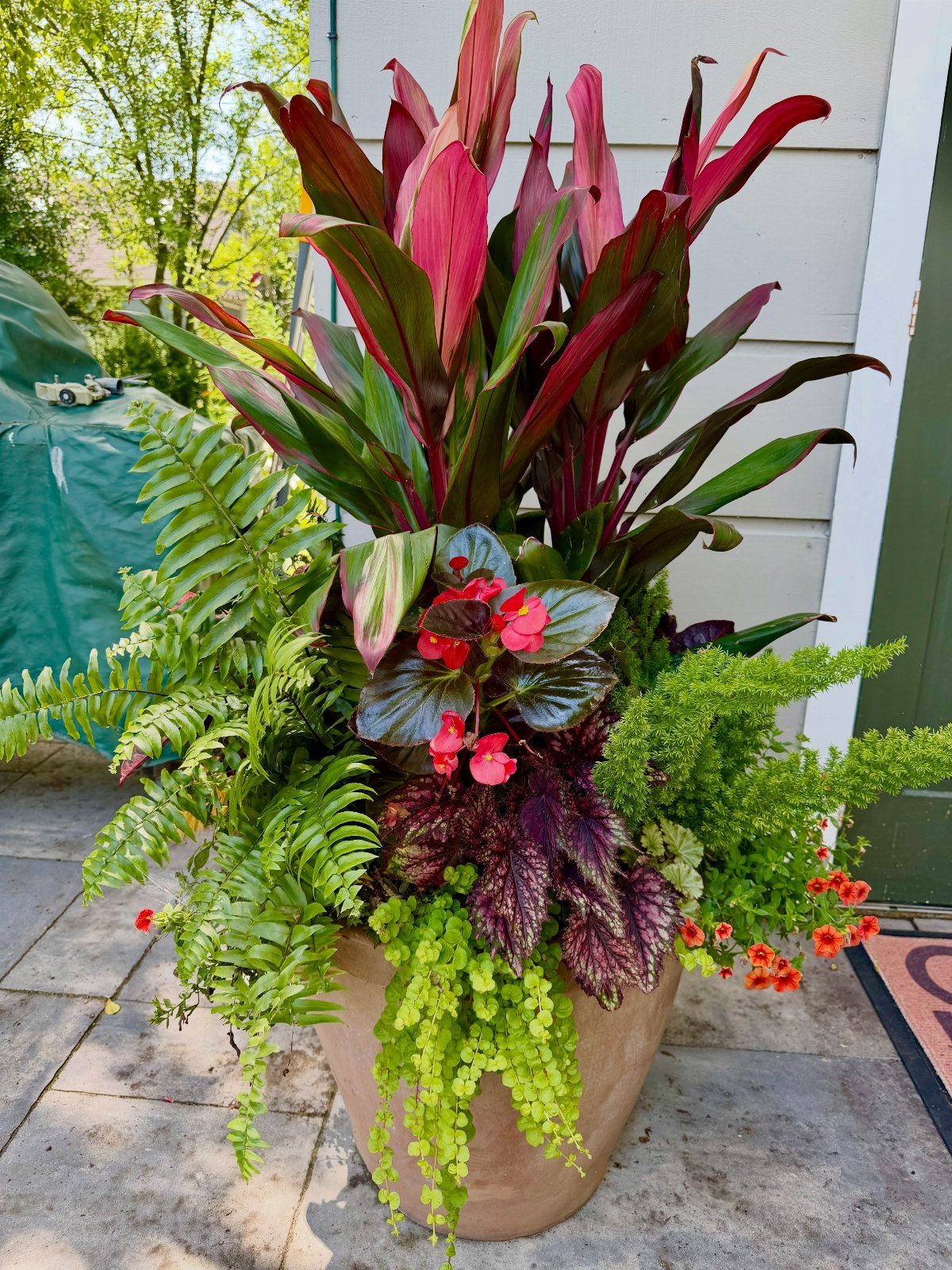
Ferns, begonias, creeping Jenny, and cordyline fill a pot that sits where sun barely reaches.
These are shade-tolerant plants, not shade-loving; they tolerate low light but need some to keep color. I check the tags for "part shade" or "full shade" and match them to the spot.
Coleus and Ti plant keep their brightest leaves with protection from afternoon sun. A glazed or light-colored pot helps, since dark terracotta stays cold and slow to warm in a shadowed corner.

VISUALIZED CLEAR NURSERY POTS: The Clear Nursery Pots features a mirror-like transparency, facilitating easy monitoring of water levels and soil humidity. Adjust watering frequency promptly and scrutinize every seedling detail, including leaves, stems, and overall shape. Quickly assess whether a larger Nursery Pots is needed.

【Set includes & Easy to Use】Package includes 30ft wicking rope for self-watering system + 30pcs nursery pots with drainage holes + 30pcs humidity domes + 30pcs water reservoirs for continually automatic watering + 30pcs plant labels to mark what type of seeds you plant, or record the days for seedling growth etc. HOW EASY TO USE? Simply refill the reservoir of the automatic watering wick system every several days and watch seeds sprout and seedlings thrive.
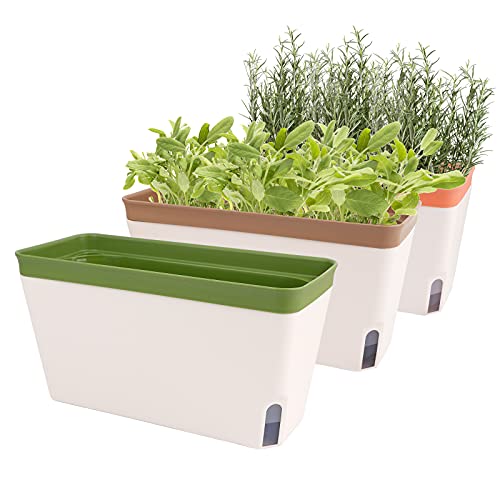
SELF-WATERING PRINCIPLE: Through two absorbent cotton ropes, the self watering pots provide water to the soil and keep the soil moist through the principle of osmosis, without having to water the plants regularly. Even if you leave home for a few days, it can help you take care of the plants and avoid plants die from water shortage.
5. Self-Watering Planters
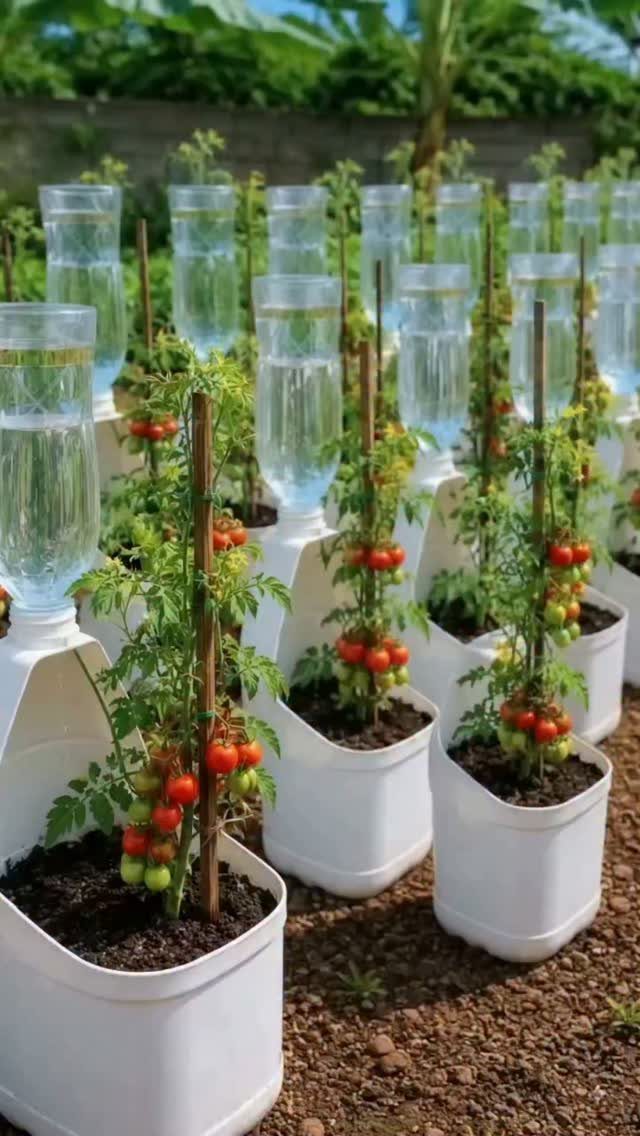
Inverted water bottles in plastic jug planters feed tomato roots from below, so the soil surface stays dry and the plant drinks what it needs.
This cuts down watering during hot weeks, which matters when summer hits and I have a whole row of pots to keep alive.
The reservoir needs a wick or a perforated barrier so soil does not clog the water source. I have seen these built from two-liter bottles and five-gallon buckets; the principle is the same at any scale.

Craft - Overall size about 13 in long by 6 in wide.This decorative hanging ornament is made of AB color coating glass beads and 50mm sharp crystal prism,suspended natural woodstick and hemp rope for easy hanging

RAINBOW LIGHT REFLECTIONS: The sparkling crystal prism accents catch sunlight and cast beautiful rainbow reflections across any room or outdoor space

HANGING SUN CATCHER: This Sun Catcher accessory is made of high-quality glass, paired with metal hooks and hemp ropes, making it durable and suitable for long-term home decoration
6. Cluster Containers Together
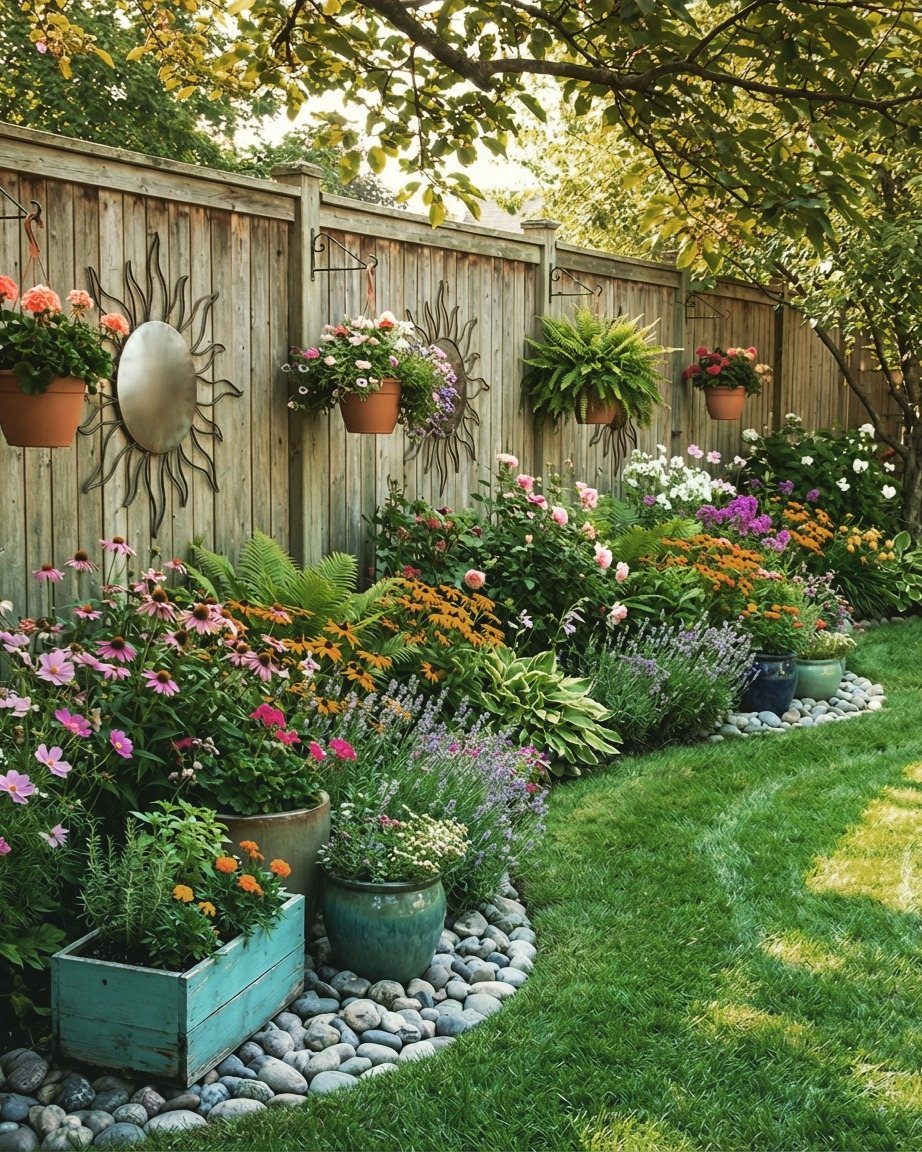
A turquoise wooden box, hanging baskets, and terracotta along one fence line read as one garden, not scattered afterthoughts.
Grouping pots works when the colors relate or the materials repeat; here the wood fence ties the wood box to the stone edge, and the river rock fills the gaps. Sizes need to vary, or nothing stands out.
I move containers around before I plant, stepping back to see if one spot leaves a hole or a clash. Annuals, herbs, dwarf shrubs, and grasses all mix fine if they want the same sun and water.

【Thickened Floating Railing Plant Clip】Railing pot holder is crafted from high-grade iron and feature a black anti-rust coating on the surface. They are sturdy and resistant to rust. These balcony pot holders have been thickened to enhance their weight-bearing capacity.

Hanging planter-- design, beautiful looking, more convenient to move and clean your lovely plant to your home decoration,Outdoor Basket

Sturdy Metal Build - Made of metal with a classic black finish, this wall-mounted plant holder brings a modern accent to living rooms, offices and balconies while handling everyday moisture
7. Vintage Chair Planter
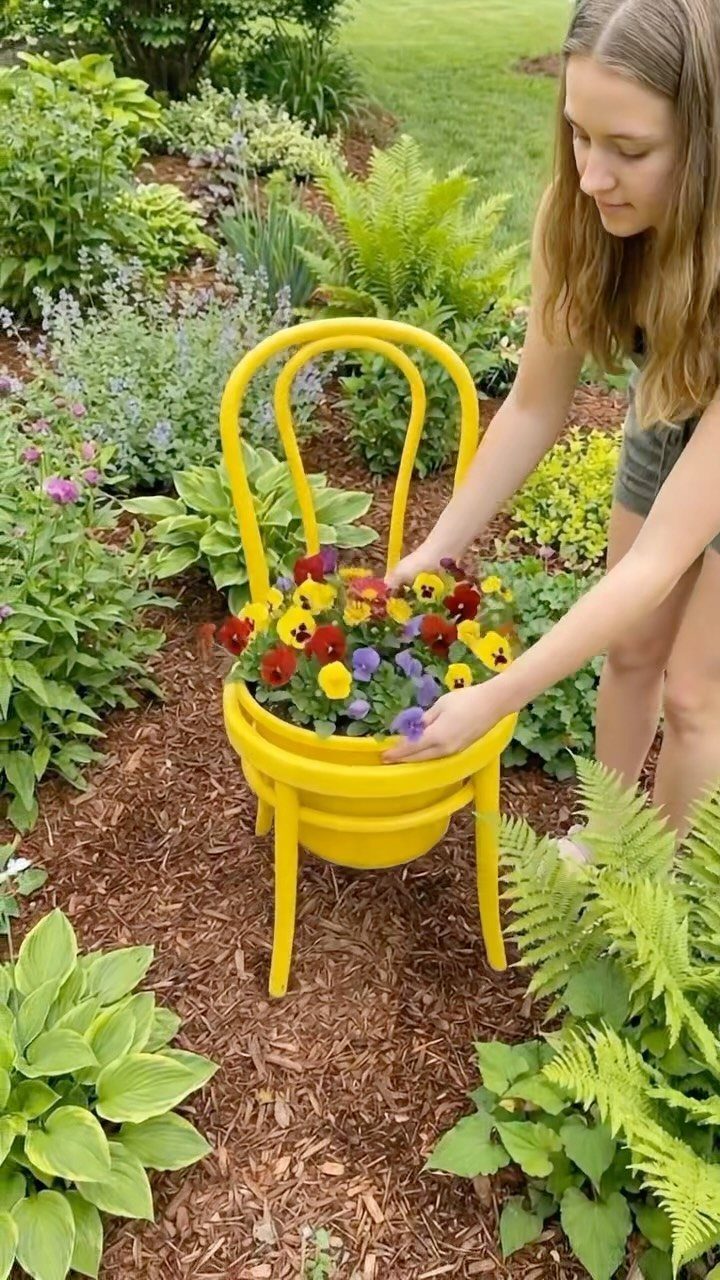
A chair with the seat rotted out or rusted through becomes the frame for a pot of pansies instead of landfill.
I look for metal frames at garage sales; wood swells and splits after one wet season. The paint needs to be exterior-grade or it flakes into the soil.
A pot sitting inside the frame should be an inch smaller than the opening so rain drains through, not pools. My neighbor tried this with a wicker rocker and had mushrooms by July.
8. Shallow Succulent Dish
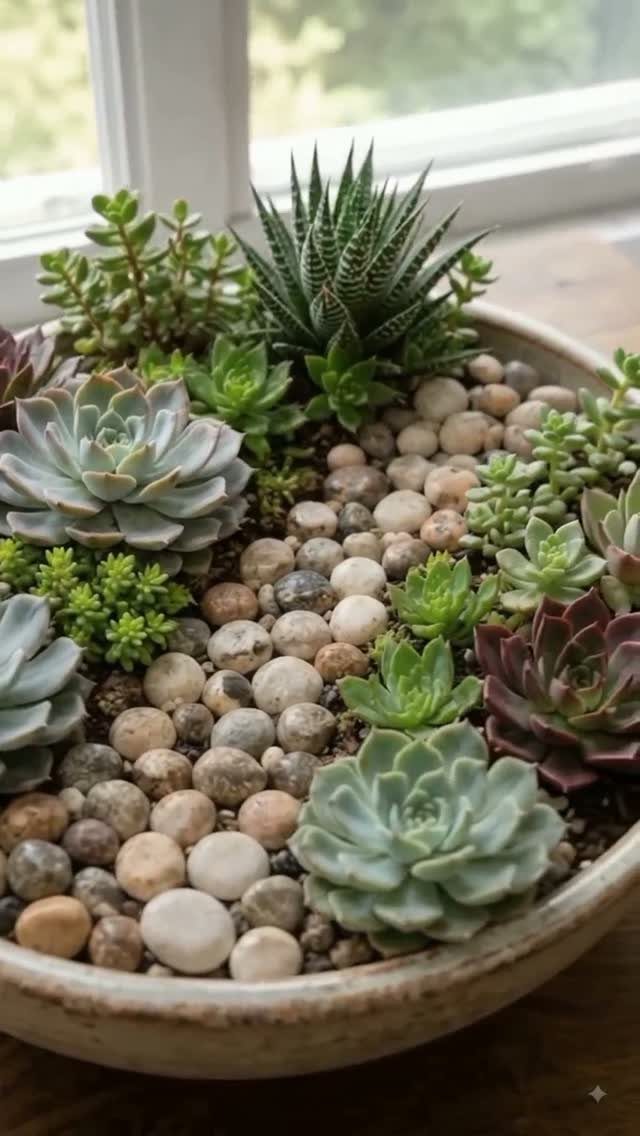
A birdbath with a cracked bowl, a pie plate from a thrift store, or any shallow dish with no drain hole works for succulents that rot in wet feet.
I layer an inch of grit or small stones at the bottom, then cactus mix; the water has somewhere to go instead of sitting against roots. Echeveria and haworthia stay low and spread to fill the surface.
Morning sun keeps colors tight; afternoon glare bleaches them pale. No drainage means watering by misting, not pouring, and only when the leaves soften.

MADE IN THE USA – SUPPORTS 3 SMALL BUSINESSES Proudly manufactured in the United States. Every Smart Spring planter purchased directly supports three small U.S. businesses, helping keep jobs and production local.
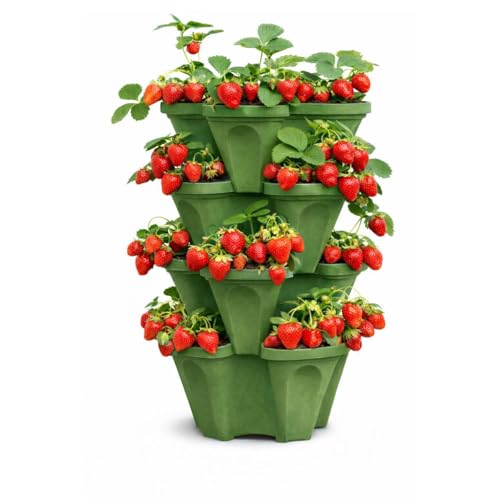
Grow 16 Plants in Just 1 Square Foot Maximize your harvest with this vertical planter tower featuring 4 stackable tiers and 16 planting sites. Perfect for strawberries, herbs, lettuce, and small vegetables in tight spaces.

MADE IN THE USA – SUPPORTS 3 SMALL BUSINESSES Proudly manufactured in the United States. Every Smart Spring planter purchased directly supports three small U.S. businesses, helping keep jobs and production local.
9. Raised Cylindrical Drum Planters
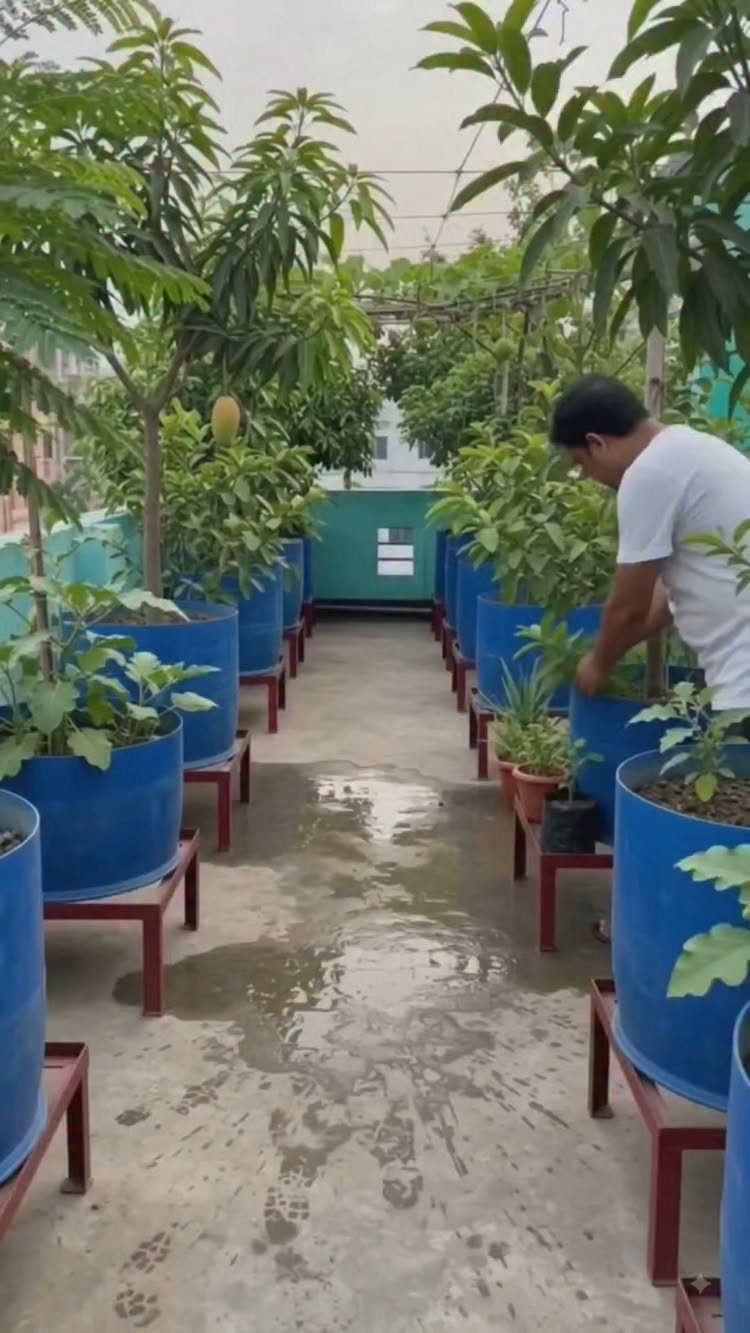
Fifty-five-gallon drums cut in half and set on welded stands raise crops to working height and keep rabbits out. Food-grade HDPE is the safer choice for edibles; check the recycling stamp before you plant.
Stands need cross-bracing or a drum of wet soil rocks in wind. A full drum is heavy enough that moving it later is not really an option; build it where it stays.

[INNOVATIVE SELF-WATERING POTS] MIXC 6.5/5/4-inch clear plant pots feature a practical self-watering system. This self-watering planter automatically draws water from the detachable reservoir via a cotton wick. The transparent base tray acts as a water level indicator—maintaining optimal soil moisture for 7-10 days. Ideal for both indoor and outdoor use, they’re perfect for seedlings, houseplants, herbs, succulents,and flowering plants.

🌱【Effortless Self-Watering Design】Say goodbye to daily watering! The cotton rope system wicks water from the reservoir, self watering pots for indoor plants ensure consistent soil moisture—perfect for beginners and busy plant lovers

🌷【Combination Size of 5"/4"/3.5"】The set includes a total of 12 packs clear nursery pots,with 5 inch,4 inch and 3.5 inch,4 pieces of each size to meet your various needs.We additionally provide 15pcs plant labels for easy identification of your seeds.
10. Vertical Wall Planter
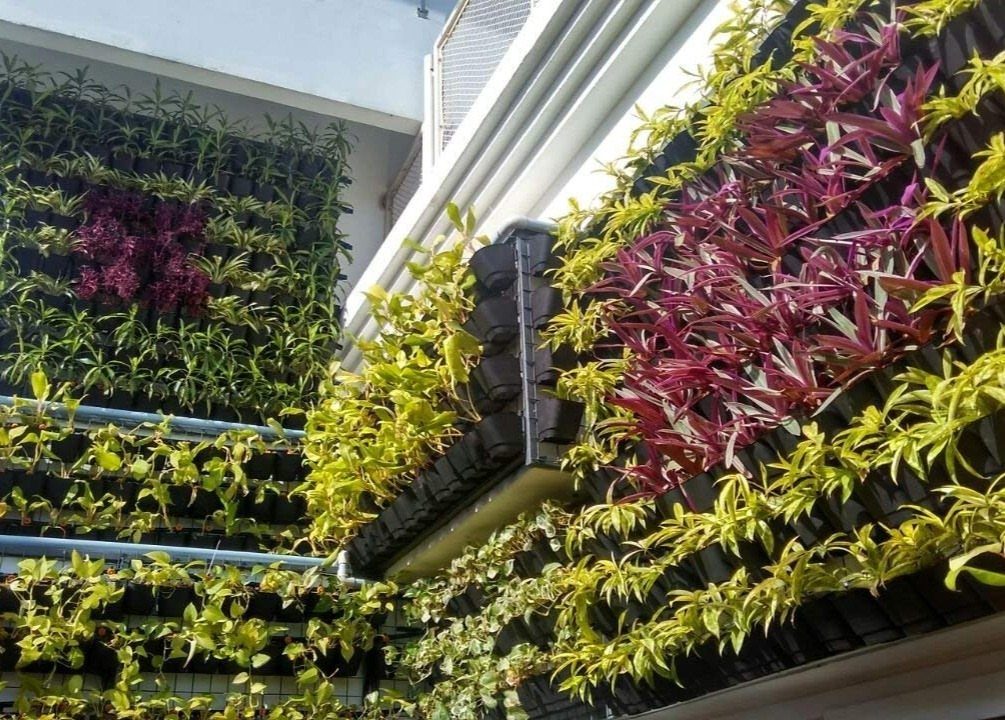
Modular black pots clipped to a rail system turn a bare wall into a living surface.
Commercial track systems work, though I have seen home versions built from rain gutters and fence brackets that do the same job. Weight adds up fast, so the mounting hits studs or masonry, not siding.
A wall that gets some direct sun grows herbs and leafy greens; full shade limits you to ferns and moss. Drip irrigation threaded behind the rows saves hauling a watering can up a ladder.

Captivating Design: These exquisite gazing balls spiral tail crystal are crafted from gold stainless steel wire and crystal material. Their special double structure spiral tail offers good weather resistance and a stunning decorative effect. When rotated, the spiral tail creates a magical optical illusion as the crystal ball appears to move up and down!

Sparkling: This flawlessly color prism crystals is strung with sparkling crystals, the same crystal which is used for chandelier, has a beautiful light-catching effect

RAINBOW LIGHT EFFECT:Clear crystal prisms create beautiful rainbow reflections in sunlight, adding sparkle and charm to any space
11. Tiered Strawberry Planter
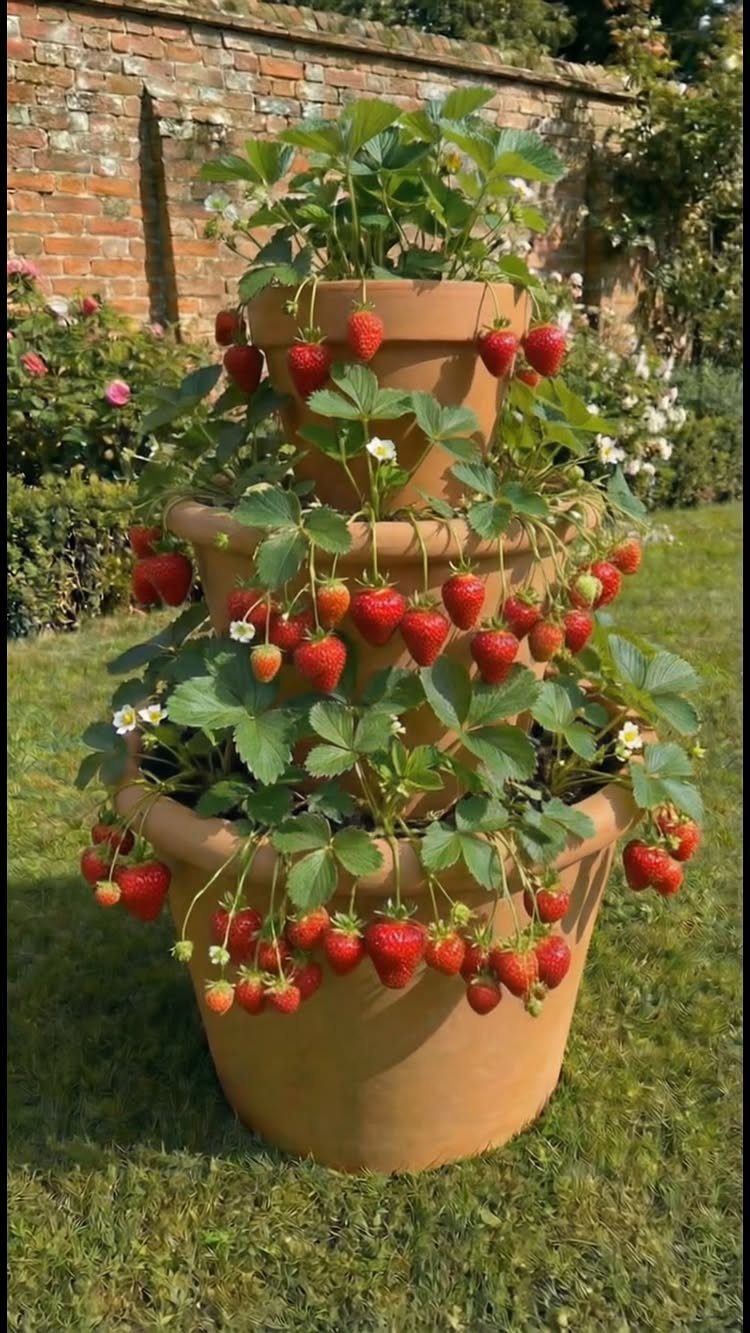
3 terracotta pots in descending sizes, drainage holes aligned, stack into a strawberry tower with plants at every level.
I use a length of rebar driven through the center to keep the stack straight; without it, a gust knocks the whole thing over.
The top pot gets the most sun and dries fastest, so I plant the toughest, most drought-tolerant variety there and save the thirsty ones for lower down where moisture lingers.
Runners drape naturally over each rim, and ripe fruit hangs clear of the soil. A tower this size packs a lot of plants into a footprint barely wider than a dinner plate.
12. Row of Matching Tree Planters
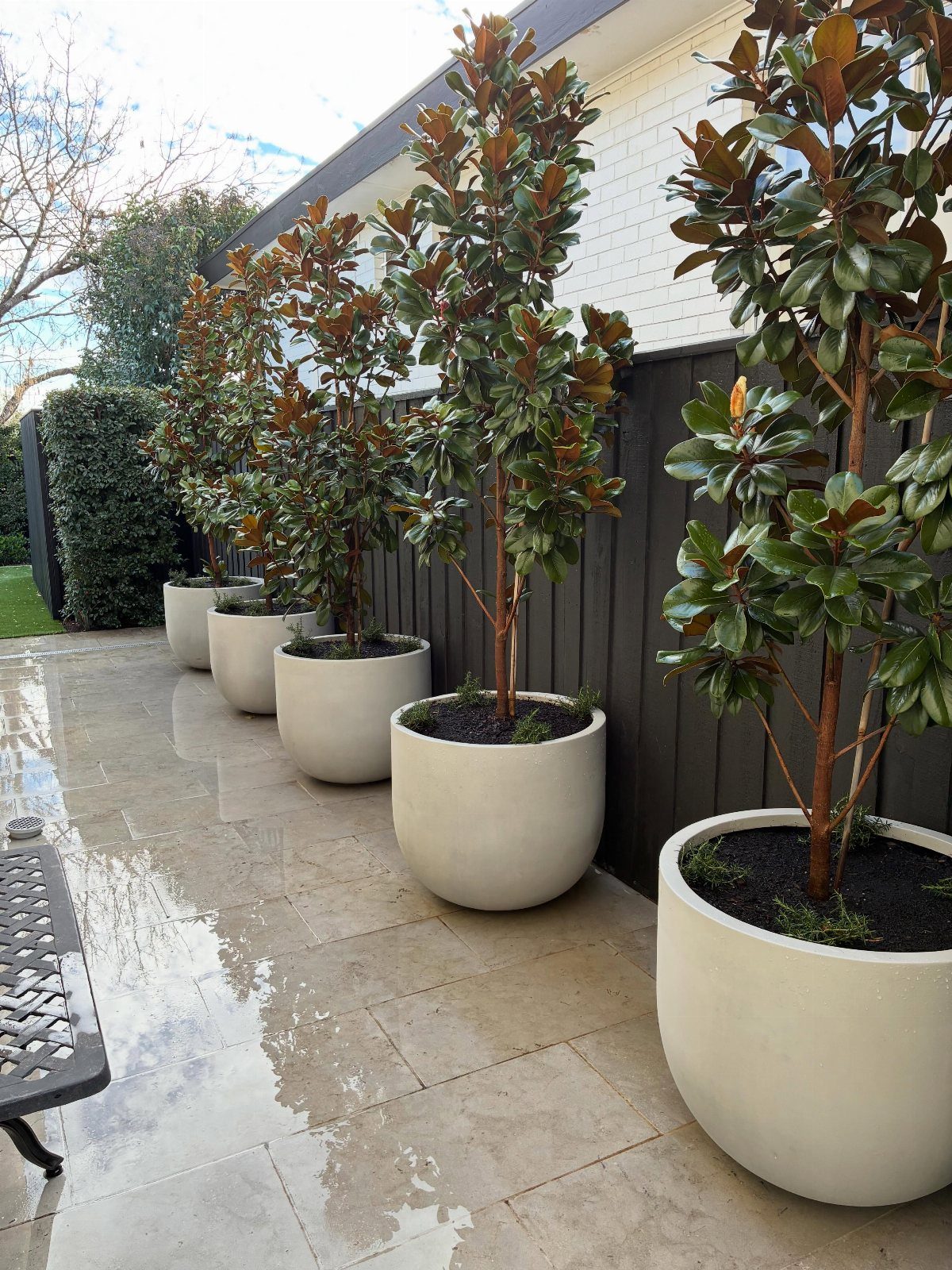
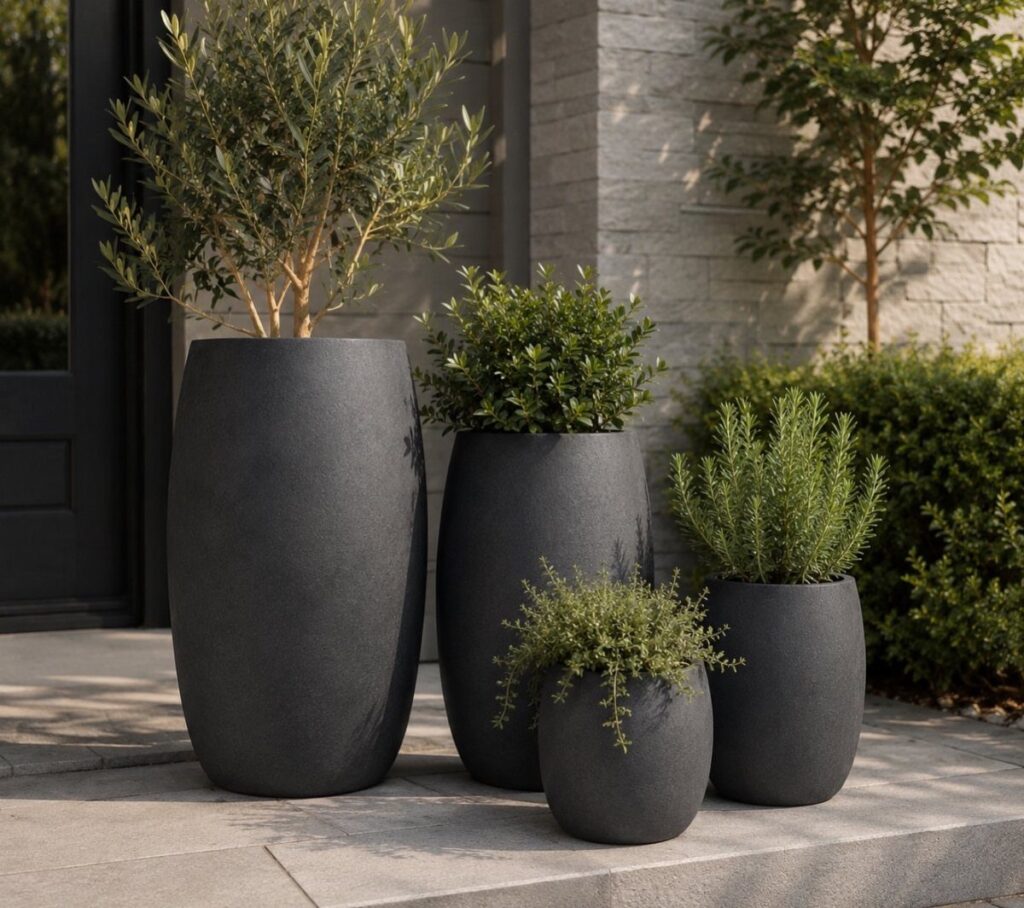
Matching round planters in a straight line turn a fence into architecture.
Young magnolias look fine in tight quarters, but at mature height they will need headroom or a move. I check the nursery tag for "container-suitable rootstock," since standard trees outgrow any pot.
Off-white concrete shows dirt less than pure white, more than charcoal. Drainage holes need lifting off the paving by at least half an inch, or roots drown in a summer storm.
13. Hand-painted Daisy Pots
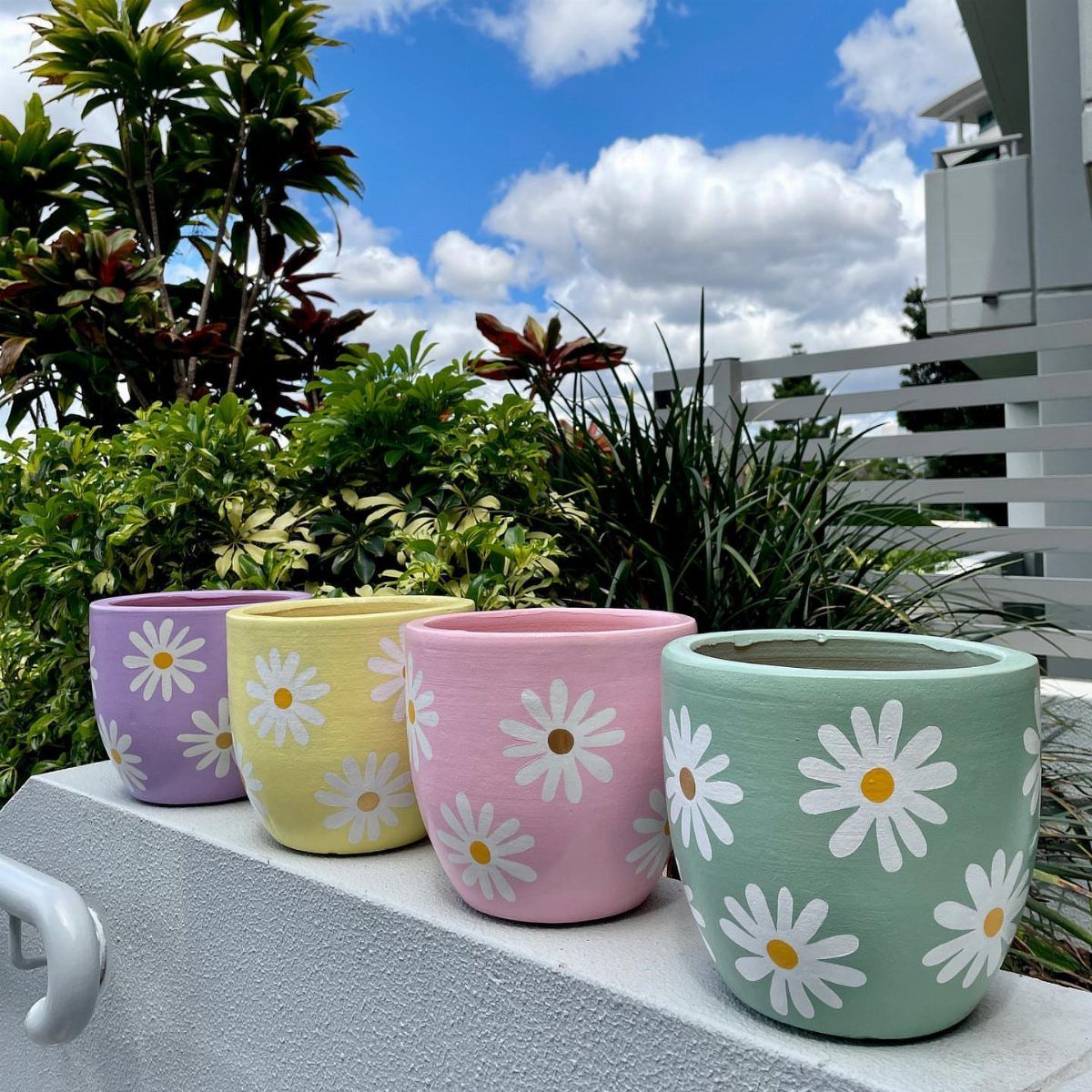
Hand-painted daisy pots in pastel purple, yellow, pink, and mint green turn a white ledge into a color block against the garden behind them.
Exterior acrylic or enamel paint holds up to rain and sun; craft paint flakes by fall. I seal mine with a clear spray coat so the daisy petals do not gray.
Match the pot color to the flower or contrast it; either reads as intentional, but mixed pastels need the white daisy motif to tie them together.
14. Balcony Railing Planter Arrangement
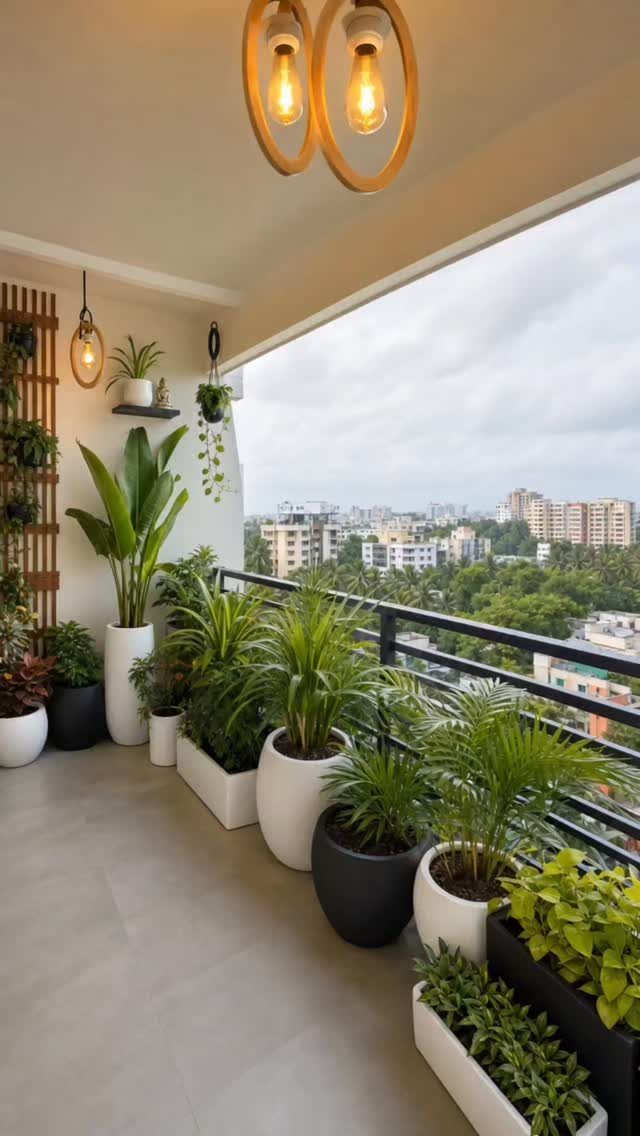
Black and white ceramic pots lined along a balcony railing read as calm geometry against city concrete.
The rail itself is part of the design; matching the pot color to the metal makes the row feel built in, not parked there.
I check weight before I buy, since a full ceramic pot of wet soil can stress a rail meant for a hand, not a load.
Plastic or fiberglass in the same shapes weighs less and fools the eye from a few feet back. Wind tunnels between buildings dry pots fast, so tropicals that like humidity need more water than their tags suggest.
15. Fabric Grow Bags
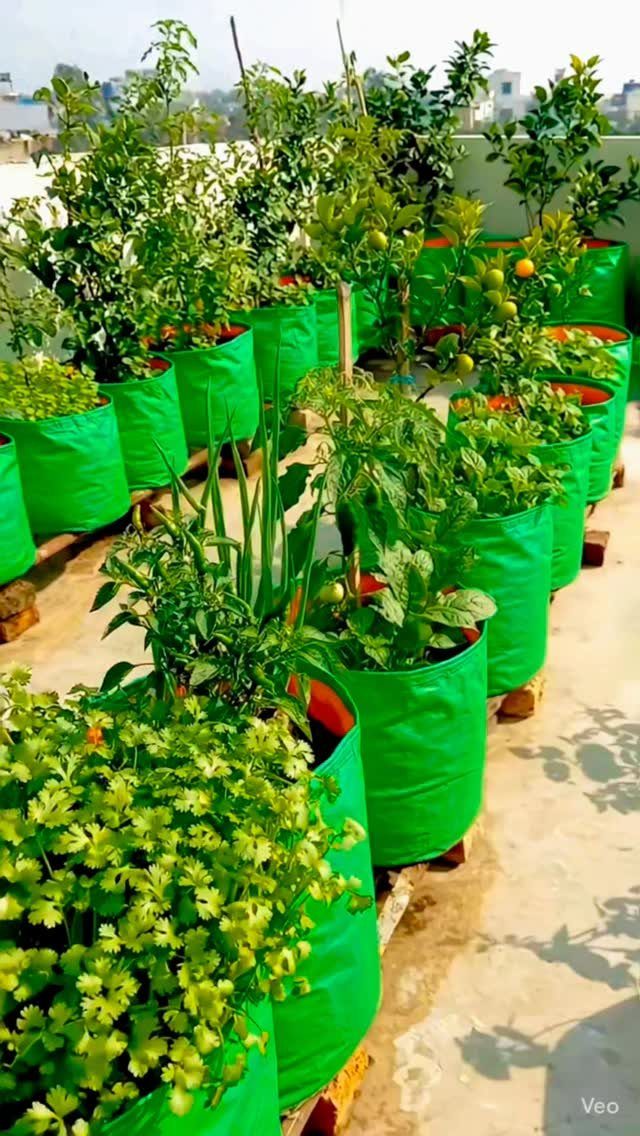
Green fabric grow bags on wooden slats and bricks keep roots aerated and warm on a rooftop where summer heat bakes plastic.
The fabric breathes, so water evaporates faster; I check daily in July. A bag on the larger side handles a determinate tomato or a dwarf citrus; leafy greens and herbs fit the smaller ones.
The slats underneath matter: concrete holds moisture and rots fabric, while air flowing under prevents mildew. Bags empty flat for winter storage, which matters when your garden is a terrace you also need to walk across.
Choosing the Right Plants
Group plants by what they actually need, not by how they look together on the cart.
6 hours of direct light or more counts as full sun; part sun is roughly half that; shade means you get morning light at most and nothing harsh.
A sun lover and a shade plant in the same pot means one suffers no matter where you park it.
Match water needs too. Terracotta dries fast and porous, so plants that want steady moisture will struggle while succulents thrive.
Fast growers need room or repotting within a season; slow ones look lost in too much space. The nursery tag is the one place the plant tells you the truth; I read it before I buy, not after.
Container Care
I water my containers once a day in ordinary summer heat, bumping to twice when a heat wave hits.
Morning watering near the roots beats evening splashing on leaves, where moisture lingers and invites trouble. Pots lose moisture faster than garden beds, and terracotta is the thirstiest of the lot.
Feed regularly; nutrients wash out with each drain. Trim before plants get leggy or crowded, which keeps air moving and shapes the growth you actually want.
Perennials and shrubs in pots face hardier winters than their in-ground cousins.
Roots sit above the frost line in thin walls. I move what I can to sheltered spots and plan on losses.
Pots allow you to tailor soil, drainage, and sunlight to individual plants without overhauling your entire yard. Acid-loving plants like blue hydrangeas can thrive in a container without affecting nearby plantings, and sun-sensitive or finicky plants—think orchids—can be moved around as conditions change.
Soil and Drainage
Every container needs a way for water to leave.
Wood, plastic, and fiberglass take a standard drill bit; clay needs masonry and a steady hand so it does not crack. A pot with no hole is a planter for drowned roots, not plants.
Skip the garden soil from the yard. It packs too dense in a pot, so roots stall and water sits.
Bagged potting mix is light, airy, and blended to drain. Moisture-control mixes buy a little forgiveness on hot days when checking slips your mind.
Terracotta evaporates faster than glazed or plastic, so plants there need water sooner. That same porosity keeps roots from rotting in wet spells, which is the trade you make.
Visual Appeal
Color works as a scheme or a contrast, but not both at once unless something ties it. Match pot to rail or contrast it; either calls for a decision, not drift.
Foliage carries more weight than flowers over a season. Texture fills the gaps: creeping Jenny softens an edge, cordyline stiffens the center, and the combination reads fuller than either alone.
Height belongs at the back or center, spillers at the rim, fillers between.
The thriller-filler-spiller rule is not the only way to build a pot, but it is the one that reliably turns a collection of plants into one container that reads whole.
Frequently Asked Questions
What are some DIY ideas for plant pots?
An old chair with the seat rotted out becomes a frame for a pot of pansies.
A cracked birdbath or thrift-store pie plate works as a shallow dish for succulents if you layer grit at the bottom and water by misting.
Upcycled objects around the house work too: old crates, colanders, bins, even hollowed logs from a tree that came down.
What are the best plants for containers?
Annuals, herbs, dwarf shrubs, succulents, and ornamental grasses all grow fine in pots.
What actually matters is matching the plant to your light and water conditions, not picking by how pretty the cart looks. Group sun lovers together and shade-tolerant plants like ferns and begonias where sun barely reaches.
Can I grow vegetables in containers?
Yes, and tomatoes are one of the easiest to start. Peppers also do well because containers let you move them into full sun and away from pests.
What materials are best for containers?
Terracotta dries fast and breathes, which helps succulents and hurts moisture-loving plants.
Glazed or plastic holds water longer, and fiberglass fools the eye from a distance while weighing less. Every material still needs drainage holes or roots drown.