These 10 ideas for an in ground garden run from a free soil test to a walk-in timber frame enclosure, and the one that fits you depends on whether you are converting lawn this weekend or building a system to last years.
A broadfork, a wheelbarrow-width path, and a 4-foot bed width show up throughout, because working the ground by hand means reaching every plant without stepping on soil you just loosened.
[link-whisper-related-posts]1. Soil Tests
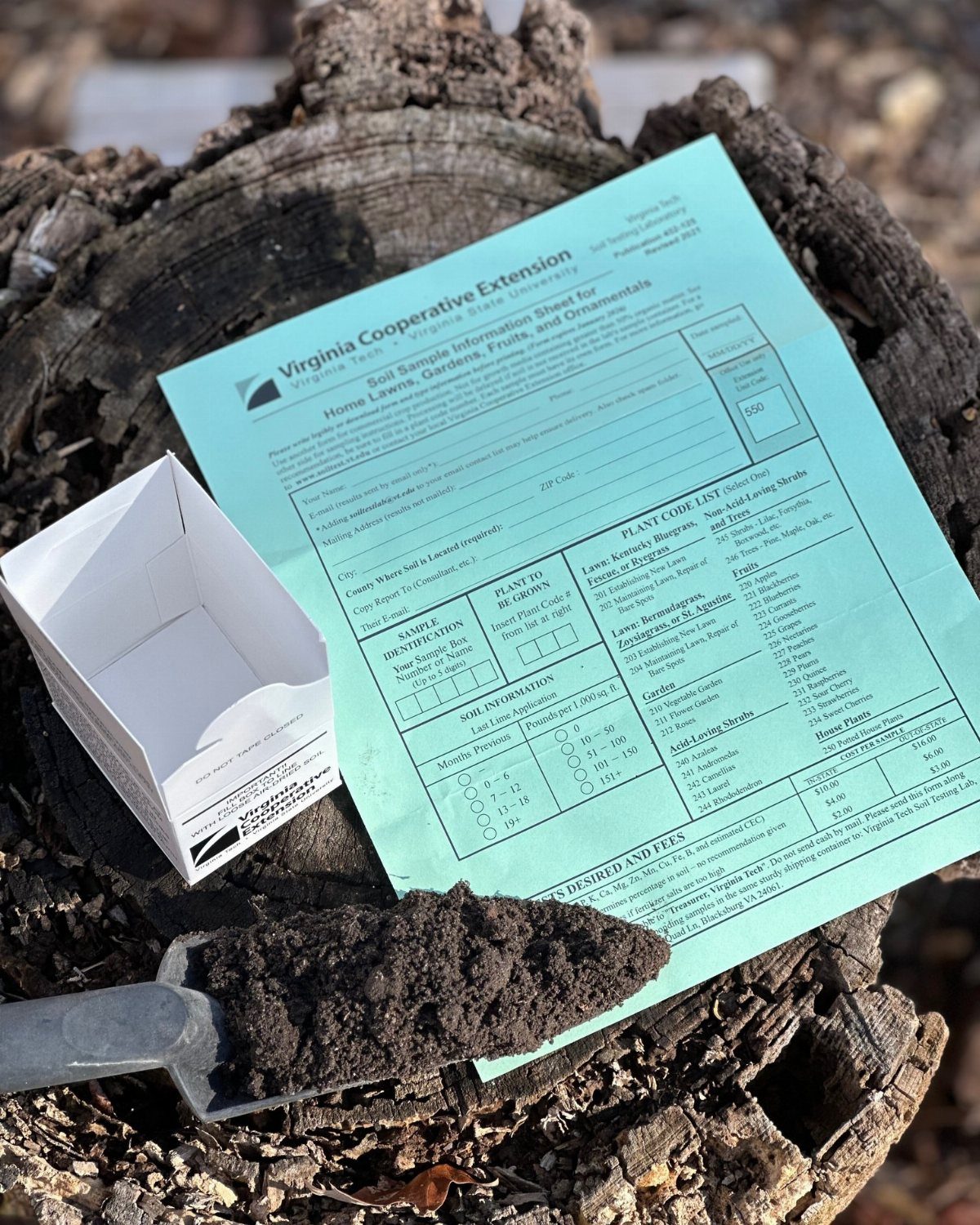
Soil testing saved me from planting tomatoes into ground that was basically locked shut.
County extension offices will run a full nutrient and pH analysis for a small fee; you dig a few inches down in several spots, mix the samples, and mail them in with their form.
The report tells you exactly what amendments to add and in what order, so you are not guessing with lime or fertilizer. Without it, you are gardening blind.

Quick, at home results for Soil pH, Nitrogen, Phosphorous and Potash Innovative and inexpensive soil test kit features an easy-to-use capsule system and patented color comparators

Comprehensive Soil Analysis: Liquid soil test kits offer a comprehensive analysis of essential soil parameters, including pH, ammonia, nitrogen, phosphorus, and potassium. Having all these measurements in one kit provides a holistic understanding of the soil's fertility and health.

KNOW BEFORE YOU GROW | Grow the healthiest, sustainable lawn and garden with the most accurate and easy to use professional soil test kit on the market
2. Seasonal Maintenance
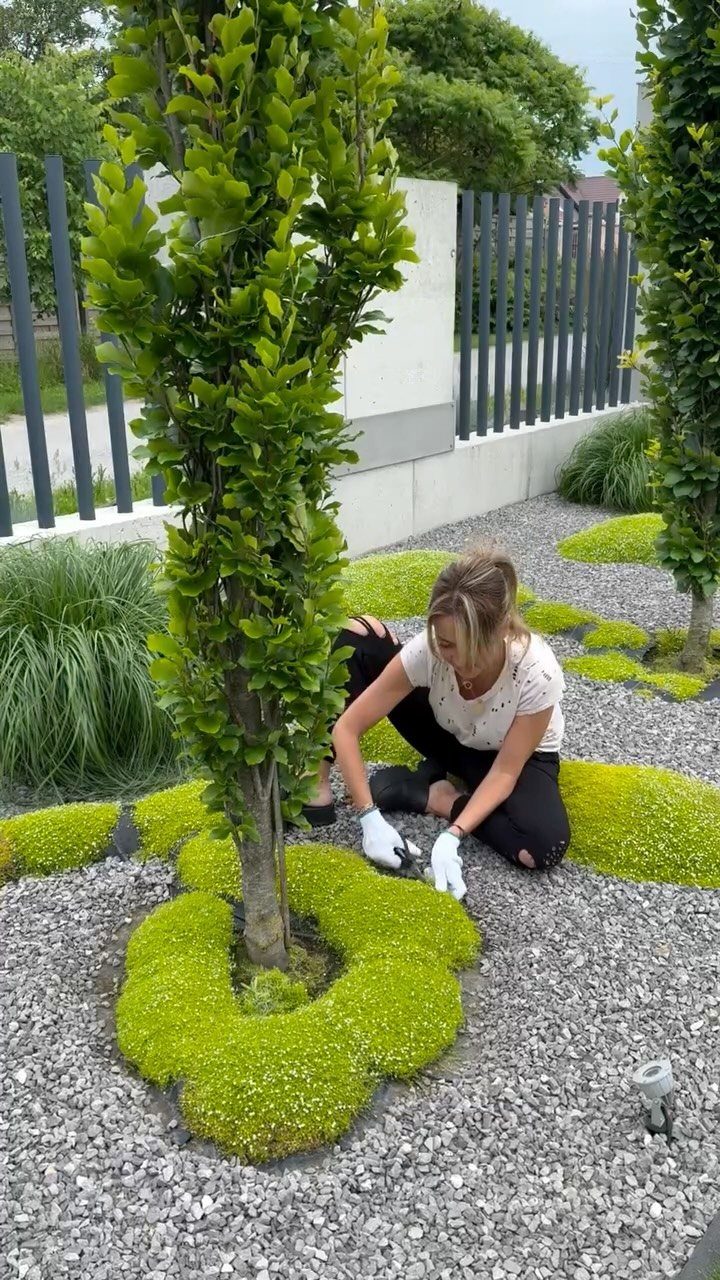
Seasonal upkeep separates gardens that last from ones that slowly sink back into lawn. I check soil moisture by sticking a finger about an inch down; dry means water, aiming at the base to keep leaves clean.
Each year I add a layer of compost to rebuild what the plants took out, and I rotate where crops sit to keep disease from settling in.
Weeds come out when they are small, before they start stealing water and nutrients from what I actually planted. Every third year, another soil test.

Specially Crafted for In-Ground Gardening: Formulated to improve and revitalize soil for vegetables, roses, annuals, perennials, and other plants grown directly in garden beds.

OMRI Listed - Cz Gypsum Calcium Sulfate Dihydrate is an All-Natural mineral fertilizer listed by the Organic Materials Review Institute (OMRI). It may be used in certified organic production or food processing and handling according to the USDA National Organic Program regulations.

OMRI Listed - Cz Gypsum Calcium Sulfate Dihydrate is an All-Natural mineral fertilizer listed by the Organic Materials Review Institute (OMRI). It may be used in certified organic production or food processing and handling according to the USDA National Organic Program regulations.
3. Garden Layout
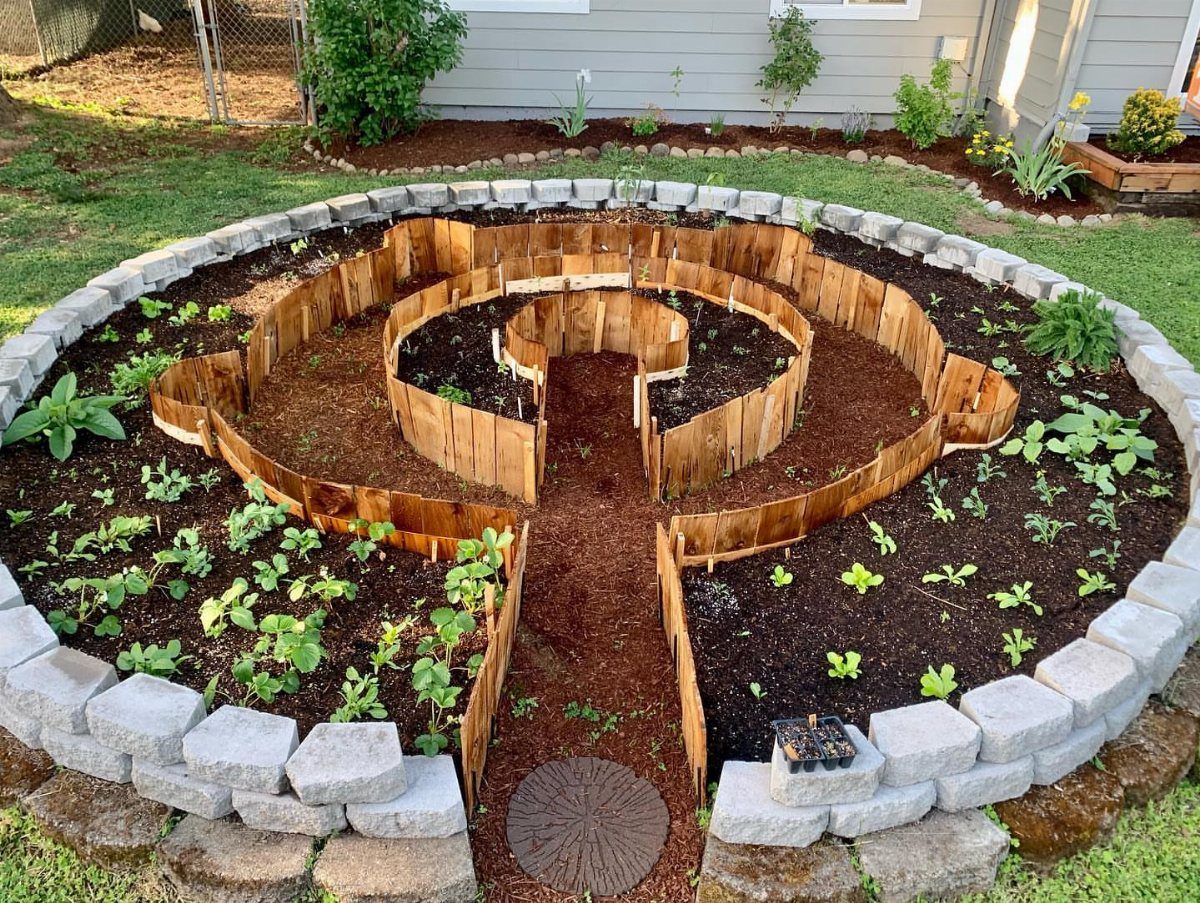
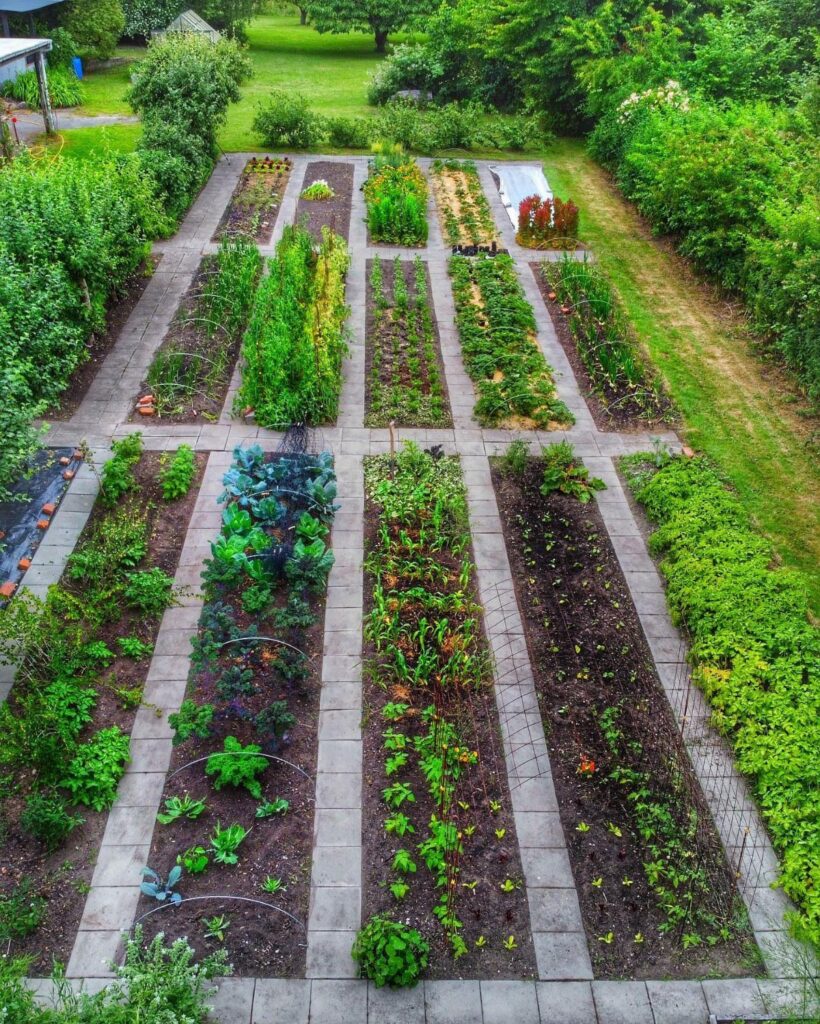
A circular layout with radiating paths and tiered beds turns a flat yard into something you can reach across without ever stepping on planted soil.
I would keep beds no wider than 4 feet for arm’s-length access from either side, with paths wide enough for a wheelbarrow between them.
Wooden dividers create planting zones at different levels, which helps with drainage and gives root vegetables their own deep pocket of loose soil. Graph paper helps; so does a hose on the ground to trace curves before you commit.

SOIL WILL NOT BE WASHED AWAY: Fabric garden bed is deep enough for suitable root growth. Grow bags provides additional protection for your garden bed, preventing soil from being washed away and avoiding the surrounding environment to become dirty and messy.

BETTER FIT FOR RAISED BEDS: Available in multiple sizes to fit common raised garden beds, this cover slips over the bed to create a cleaner, more enclosed growing space. Great for vegetables, herbs, seedlings, strawberries, lettuce, and flowers. Measure your garden bed before ordering for the best fit.

Garden Hoops for Raised Beds: Note: There is NO netting included. You are no strangers to voracious critters, disease-ridden bugs and winter harsh weather conditions. FuBegi garden tunnel hoops helped to provide the protection your veggies needed, improving the quality of your harvests big time! You will have a lot fewer problems with insects eating your crop as well as the sun scorching the tender leaves.
4. Garden Tools
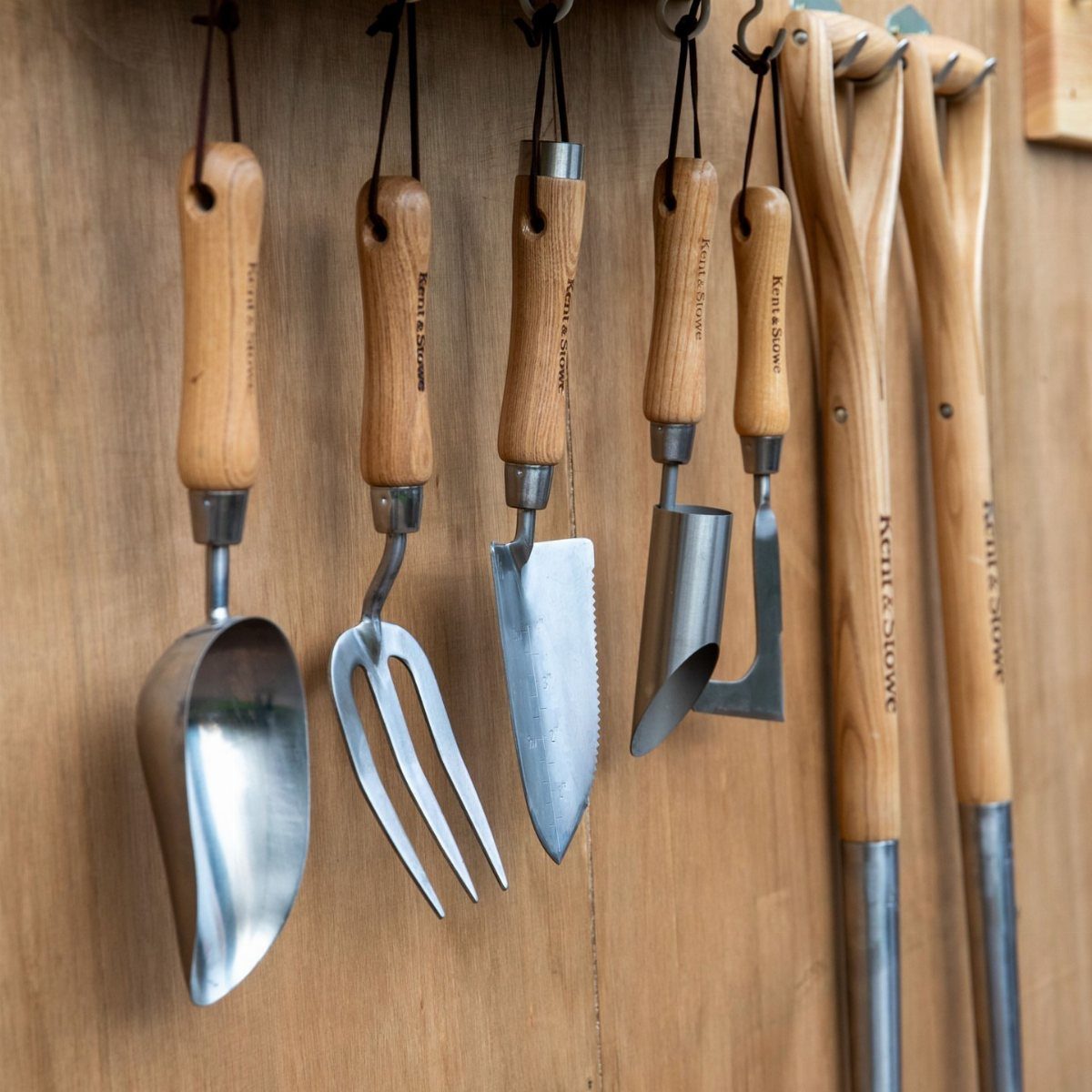
The right hand tools make an in-ground garden feel possible instead of punishing.
A sturdy trowel for digging holes, a fork for loosening soil without slicing roots, a weeder for taproots, and a scoop for compost cover most of what I do in a session.
Long-handled versions save your back once the beds are bigger than a few square feet.
I hang mine where I can see them; tools I bury in the shed tend to stay there, and I end up using a butter knife instead.

𝐅𝐥𝐞𝐱𝐢𝐛𝐥𝐞 & 𝐄𝐚𝐬𝐲 𝐭𝐨 𝐈𝐧𝐬𝐭𝐚𝐥𝐥: Each panel measures 40" (L) × 5" (H), including 3" underground stakes for strong anchoring, leaving 2" visible above ground for a clean, low-profile border. The hammer-in design makes installation fast and effortless—perfect for creating neat, professional-looking edges without digging.

EASYFLEX DECORATIVE NO-DIG LANDSCAPE EDGING: Get a beautifully landscaped yard without all the work of a dig-in lawn edging; simple installation without trenches or shovels; color may vary due to the unique manufacturing process.

Pre-Rusted Corten Steel Landscape Edging: Made from durable corten weathering steel, this metal landscape edging features a beautiful rust patina finish that blends naturally into garden landscapes. The rusted steel layer acts as a protective coating, creating long-lasting steel garden edging with a rustic decorative look.
5. Sunny, Flat Area
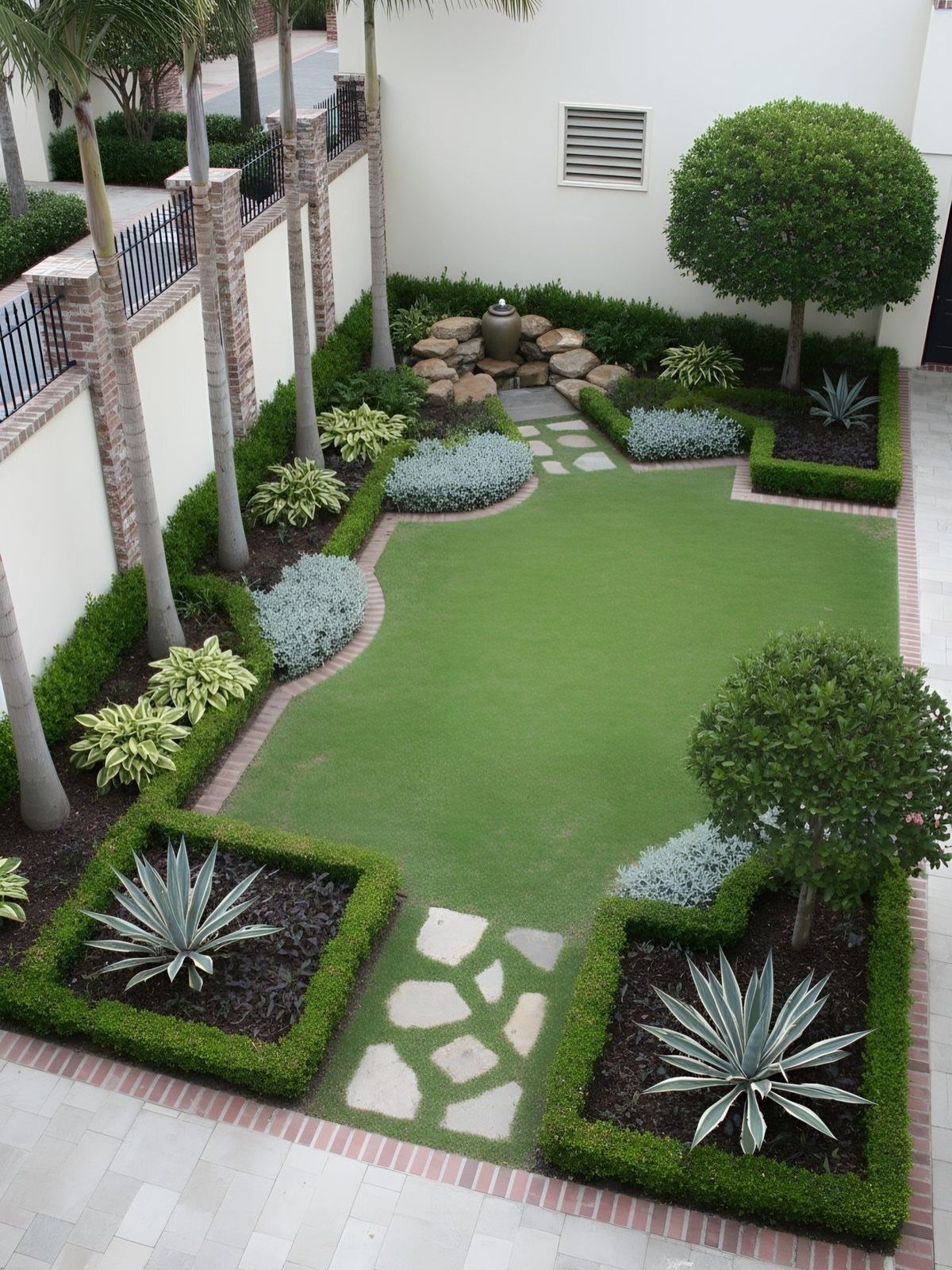
Flat ground in full sun is not negotiable for most vegetables, and the lawn-to-garden conversion starts with honest observation.
I watched my yard through a full day before breaking ground, noting which patches stayed bright past noon and which fell into shadow from the fence or the neighbor’s oak.
Slope matters too; even a gentle grade sends water and topsoil downhill. A level courtyard lets every bed drain evenly, with no plant sitting in a puddle while its neighbor dries out.

GARDENING ESSENTIAL: Garden weeder ideal for a variety of gardening tasks like removing invasive weeds, maintaining your herb garden, uprooting dandelions and thistles, and more to encourage overall plant health and appearance
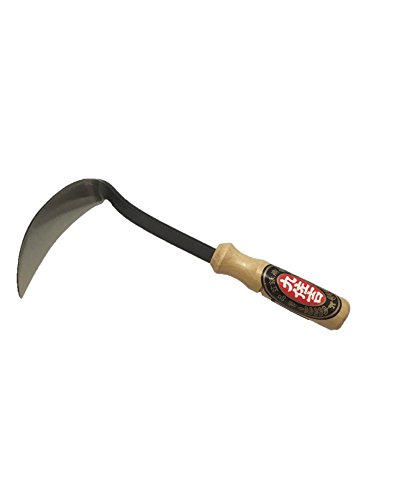
Strong but lightweight Japanese hand hoe

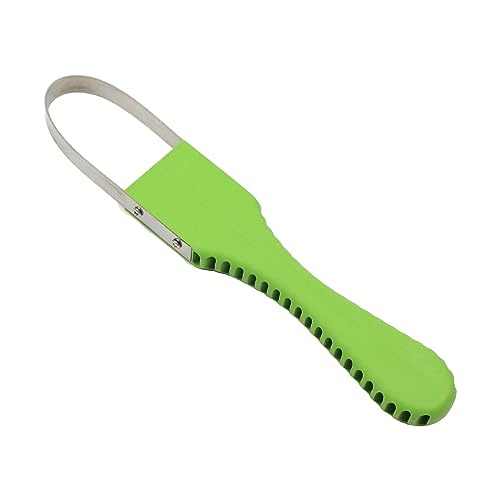
Get the entire root without needing to dig wide holes! This handheld weeder is great for removing pesky weeds and thistles from your patio, sidewalk, and driveway. Stainless Steel with L-shaped head and ergonomic handle.
6. Organic Mulch
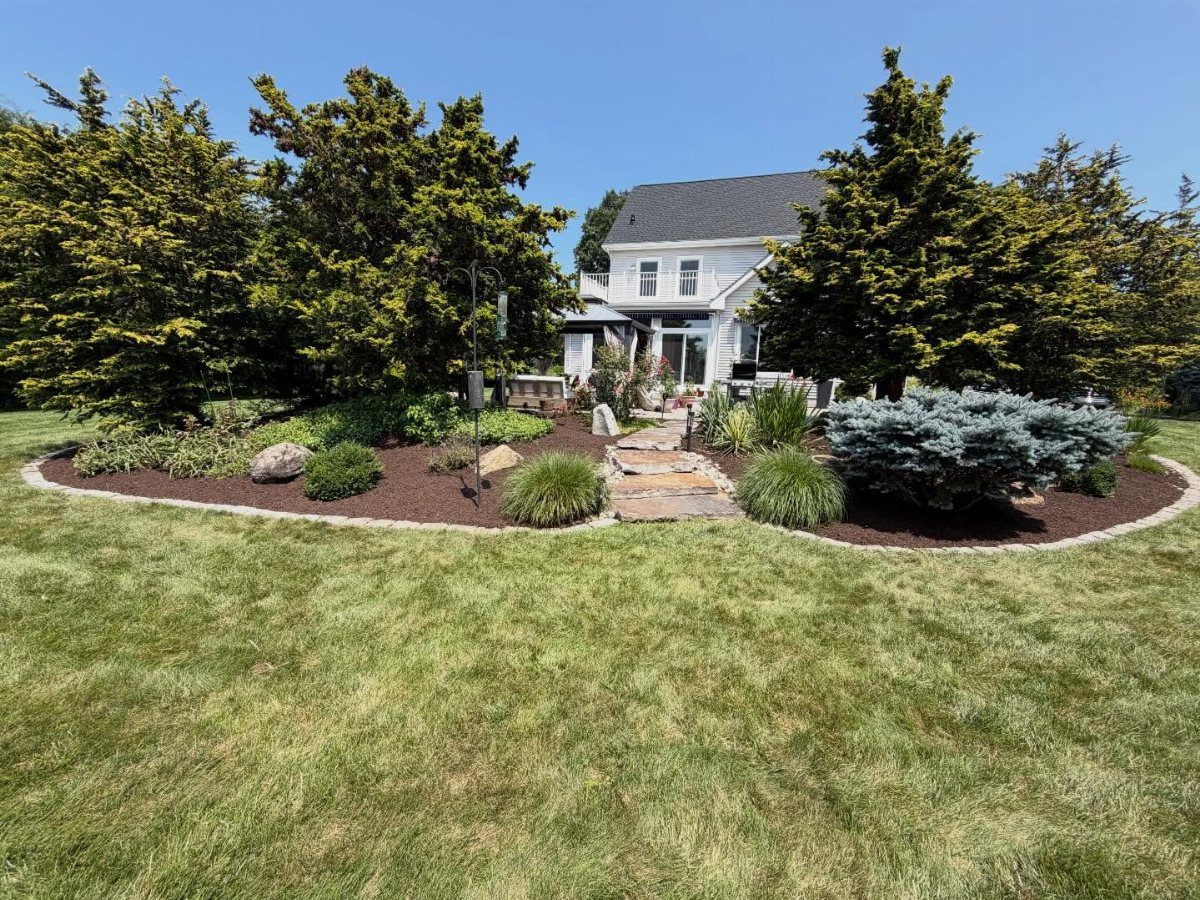
Mulch is the single layer that buys me back the most time through a season.
A blanket of shredded leaves, straw, or composted wood chips around plants keeps soil from crusting in sun, slows evaporation so I water less, and blocks the light weeds need to germinate.
I avoid chunky bark chips in beds, which float and take years to break down. Replenish once or twice a year as it settles, and the soil underneath stays workable and alive.

✅ 1Dial & 1 LCD Screen - Replace/install all 3 batteries each time. Put button to %RH/°F to - Turn On, and put to LIGHT to - Turn Off. Read the LCD results in 3-5 mins. (Not Water Moisture Meter, so, please don't test liquid)
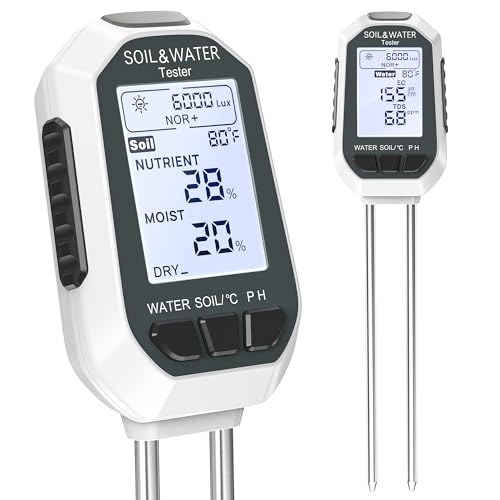
【7-in-1 Features】This is a 7-in-1 multi-function soil tester. Our soil tester quickly measures soil moisture, pH, temperature and light intensity, and its fertility function helps you take better care of your plants. With this device you can measure the soil moisture, pH, temperature and light intensity for your plants and with the EC and TDS functions you will know when it is time to water the soil.

Accurate Soil pH Testing: Dewildetradingco Soil pH Test Strips offer measurements of soil pH levels (pH 3.5-9). As an essential tool for every gardener and grower, these test strips help determine the optimal pH for various plants, such as outdoor plants, indoor plants, gardens, grass lawns, fruit trees, flowers, vegetables, and forest shrubs.
7. Turning and Aerating Soil
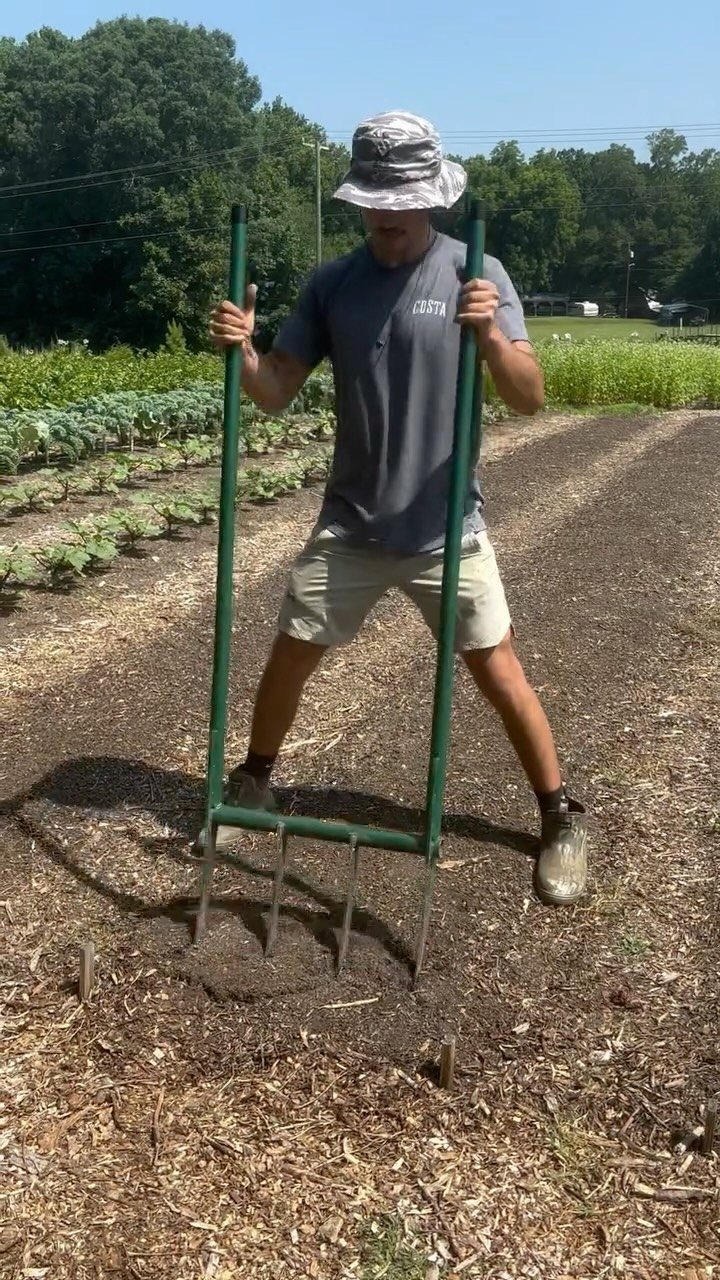
Compacted ground starves roots of air and water no matter how rich the soil is.
A broadfork lifts the earth from below without flipping the layers or killing the soil life already working there; you stand on the crossbar and rock the handles back to open channels deep down.
A standard garden fork does the same job in tighter spots, turning the top layer and breaking up clumps after winter or heavy rain.
I aerate in early spring before planting and again in fall when beds empty; roots need loose soil to push through, and I need to not fight the ground with every seedling I set out.

FOR USE: Use when planting or transplanting to improve native soil. For everything you plant in the garden or landscape
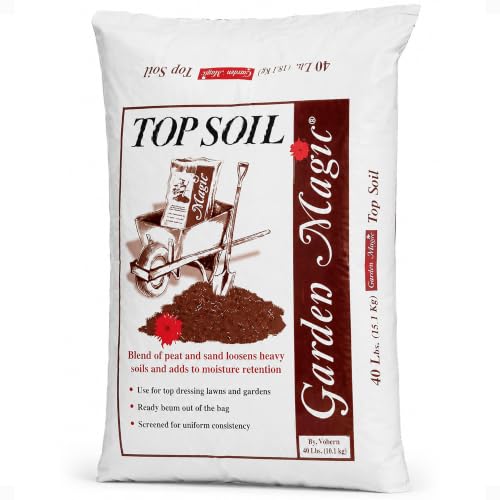
Ready-to-Use for All Planting Needs: This general-purpose potting soil is ready to use out of the bag, perfect for both indoor and outdoor planting without any extra prep

Improves Soil Structure: Finely screened aged forest products help improve soil texture and aeration, creating better growing conditions for plant roots.
8. Trench Composting in Planting Beds
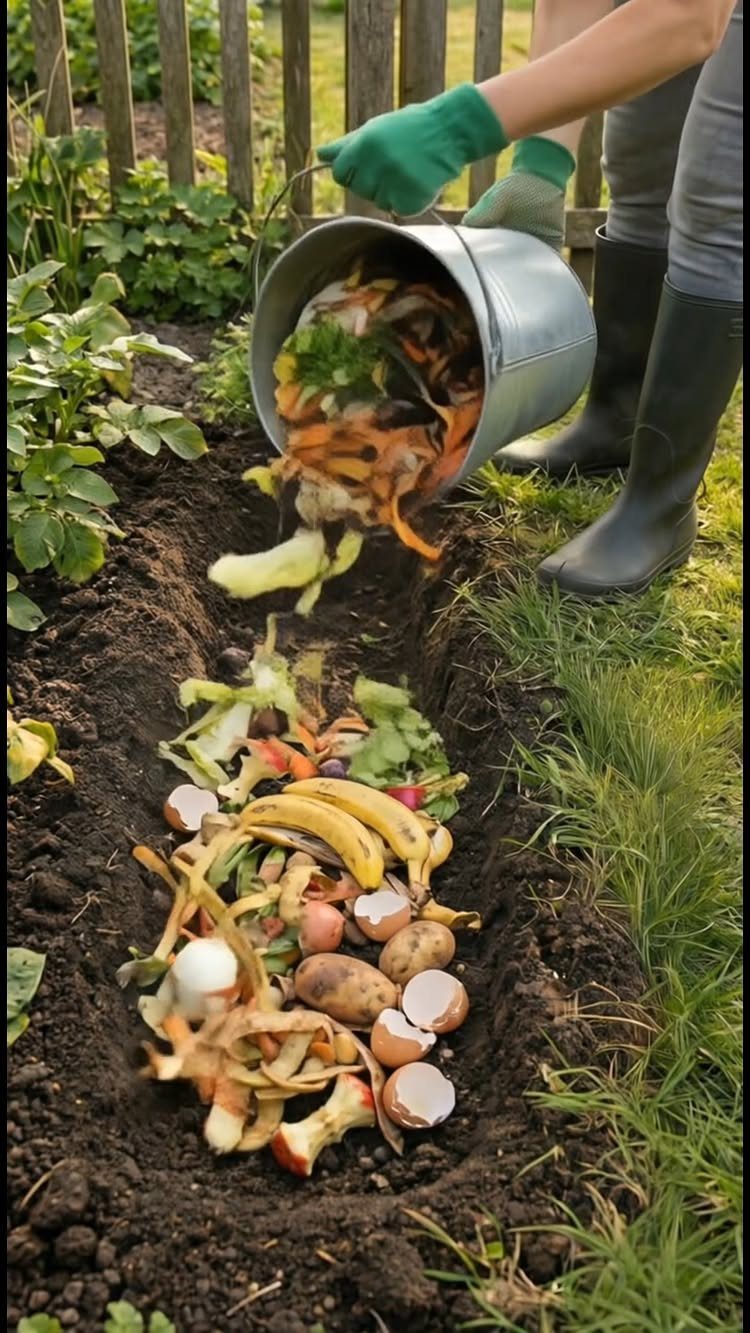
Kitchen scraps go straight into the garden through a trench dug about a foot deep and as wide as your shovel.
I line mine with vegetable peels, eggshells, and the soft parts of spent plants, then cover with the soil I removed and let it settle before planting over it.
The material breaks down in place, feeding roots directly without a separate compost pile taking up yard space.
Dig a new trench each season and rotate where they sit; the soil structure improves where you trench, and you spend no money on bags of amendment.

Raised Garden Bed - Add a new level of convenience to your gardening experience with the Galvanized Raised Garden Bed. Enjoy expanded yield and a more assembled garden layout with this garden accessory, each sized at 120 cm X 60 cm x 30 cm.

【Spacious and Versatile Design】: The CATMANOR raised garden beds outdoor provide ample growing space for a variety of vegetables, herbs, and flowers. The raised bed design maximizes planting capacity, making it an ideal solution for gardening enthusiasts who want to grow medium to deep-rooted plants such as broccoli, beans, and more.

Pack of 2 Raised Garden Bed- Add a new level of convenience to your gardening experience with the Galvanized Raised Garden Bed. Enjoy expanded yield and a more assembled garden layout with this garden accessory, each sized at 48 Inches x 24 Inches x 12 Inches.
9. Protective Mesh Garden Enclosure
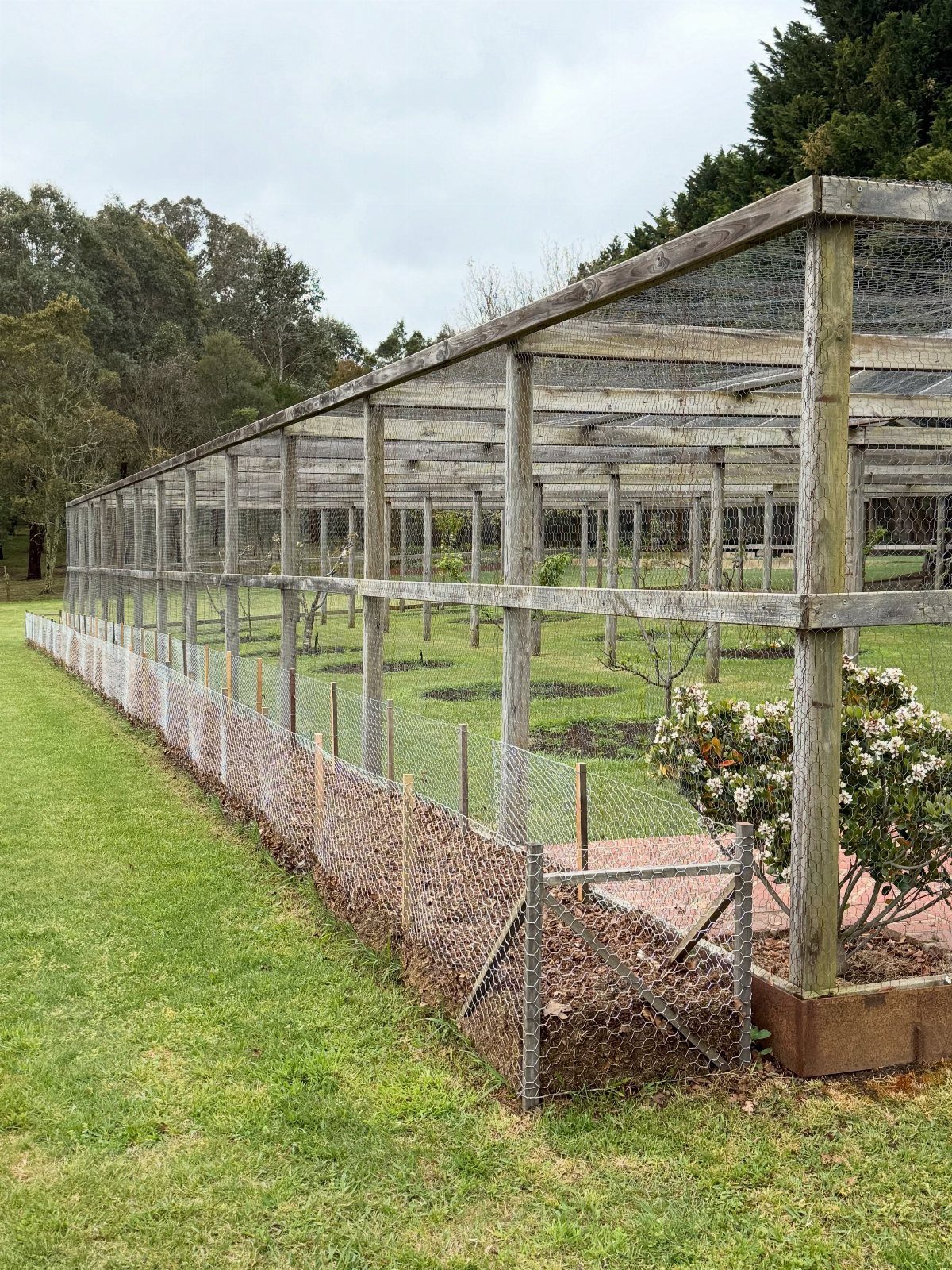
A walk-in timber frame wrapped in wire mesh keeps deer, rabbits, and groundhogs from treating your garden as a buffet.
Rough lumber tall enough to stand inside, with mesh on all sides and a door you can latch, gives you full access to the bed; roof netting stops birds and climbing animals from dropping in from above.
Before building, check what actually raids your yard.
A low fence stops rabbits but not deer; a tall one without a top leaves you feeding squirrels. The frame needs to be staked well, and the door has to close tighter than you think.
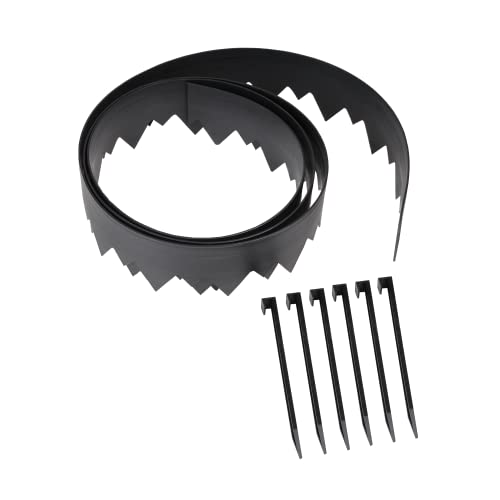
Pound‑In Lawn Edging – Create clean, defined garden borders without hiring a professional; installs with minimal ground preparation.

No Digging: These landscape edgings are simple to install. Just hammer these spikes into the ground to reinforce the shape to prevent warping. It's easy to create a beautiful garden by yourself without hiring a professional.

ABOUT THE EDGING: 2" above ground, spikes are 2.5” in height; 10 Pack of 40" each, 33Ft in total installed; 11 pieces 7'' clamps offer extra stability; Clips and gloves included; These long strips of metal edging are flexible enough to bend to your exact specifications
10. In-ground Plot Alongside Raised Beds
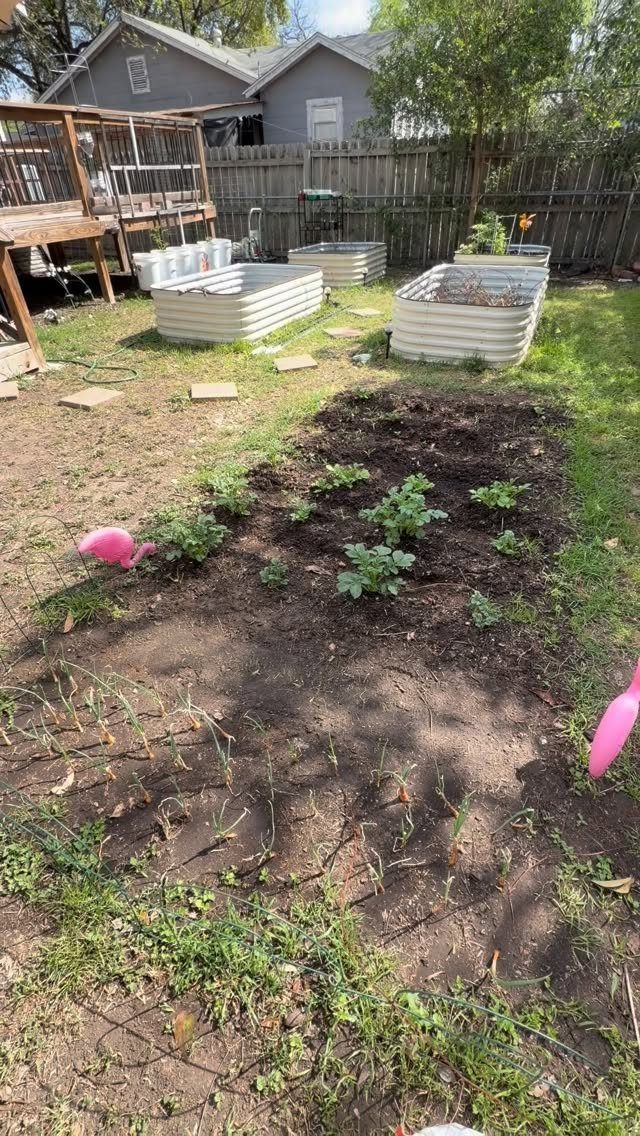
Raised beds drain fast and warm early, but an in-ground plot beside them handles the crops that need more root depth or more stable moisture than a contained bed allows.
I would put the in-ground section where the soil is already decent, saving the construction cost and fill soil for the spots that need it.
The two systems can share one lawn with no fence between them; paths of mowed grass work fine if you keep them wide enough for a wheelbarrow.
Use the raised beds for intensively planted salad greens and herbs, and the ground-level patch for squash, corn, or anything that sprawls.
Better drainage: A well-prepared raised bed allows the soil to drain better than in an in-ground garden. In some areas of Georgia, the soil drains so poorly that raised beds enable gardening of crops that would not otherwise grow.
— University of Georgia College of Agricultural and Environmental Sciences

L-shaped, double-sided blade – scrapes and cuts weeds with effortless back-and-forth motion, making quick work of stubborn growth in tight spaces like patio stones, driveway cracks, and sidewalk gaps.

EFFORTLESS ROOT REMOVAL FOR DEEP-ROOTED WEEDS: Say goodbye to stubborn weeds with our 13-inch weed puller tool! The sharp V-shaped fork tip easily digs into soil and extracts the entire root system of dandelions, thistles, and deep-rooted weeds—preventing regrowth. Perfect for lawns, gardens, and flower beds.
Benefits of Compost
Compost does 3 things for in-ground soil that no single fertilizer can match.
It opens tight clay so water drains instead of pooling, feeds the slow-release nutrients that roots take up over months, and holds moisture in sand that would otherwise dry out by afternoon.
The change is structural, not just a nutrient boost.
I spread compost across the bed each year and rake it into the top layer of soil until the color changes.
In ground that starts heavy or compacted, that layer is what turns native dirt into something plants can root through.
Raised beds get attention for their custom soil mixes, but in-ground gardens catch up fast with steady compost. The difference is that you build it in place rather than buying it by the cubic yard.
Over two or three seasons, even stubborn ground softens and darkens. The soil test tells you what else to add, but compost is the baseline that makes everything else work.
Seasonal Gardening Tips
Seasonal timing matters as much as the tasks themselves.
Before the ground warms, I loosen beds with a fork and rake compost through the top layer.
Drip irrigation goes in then, while I can still walk the rows without stepping on planted soil. The lines sit at the root zone, not overhead where they’d soak leaves and waste water on paths.
Cover crops or a thick mulch layer protect empty beds through winter.
Straw works; so does a mowed stand of clover or winter rye that gets turned under in spring. Cardboard or landscape fabric under wood-chip paths cuts the weeding to almost nothing.
I sketch the layout on paper before ordering seed, so I do not plant tomatoes where peppers sat last season out of convenience.
Choosing the Right Plants
Start with what you eat, not what looks impressive in a catalog. Tomatoes, peppers, and the greens you buy weekly are the safer bet over kohlrabi or eggplant if you rarely cook with them.
Each plant’s mature size and spread determines whether it fits the bed you planned; a zucchini that sprawls across wide ground needs the open plot, not a raised edge crowded with herbs.
Vining crops need support sketched in from the start.
A tomato cage or bean trellis placed after plants are up often shades something you did not mean to shadow, or roots get disturbed driving stakes in late. I mark those structures on paper before breaking ground.
Pollinators need food too, and flowers are not decorative extra.
A row of zinnias or cosmos at the bed’s edge draws bees to the vegetables they neighbor. I plant those from seed directly in the ground; they germinate fast and fill gaps while slower crops establish.
Check days-to-maturity against your frost dates.
A melon needing months of sustained heat will not ripen if your autumn turns cool early. Seed packets list that number; I keep one in my pocket while deciding.
Frequently Asked Questions
What vegetables grow well in the ground?
Tomatoes, peppers, cucumbers, squash, and corn handle in-ground beds well because they need root depth and space to sprawl that raised edges limit.
Greens and herbs work too, but the real advantage of ground-level soil shows up with larger plants that mature over months.
Perennials like rhubarb, asparagus, and fruit bushes also suit in-ground plots since they stay put for years and need room to expand.
What is an in-ground garden called?
An in-ground garden is often called a traditional garden or row garden, meaning you plant directly into native soil rather than bringing in raised beds or containers.
The method needs no construction materials, just prepared ground and the amendments your soil test recommends.