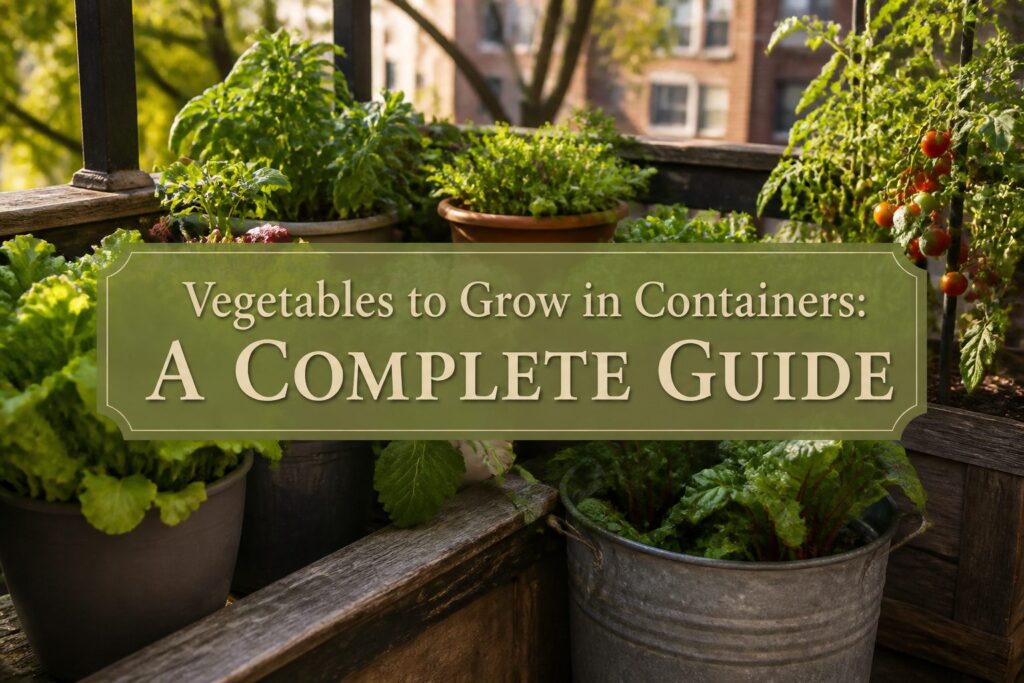
Growing vegetables in containers means matching the pot depth to the root system, or the harvest fails before it starts.
A carrot in 8 inches of soil forks into a useless thumb; the same seed in 12 inches produces a straight, peelable root.
Radishes ask for only 4 inches and repay you in four weeks, while tomatoes demand 12 inches minimum and still punish you with small fruit if you skimp.
[link-whisper-related-posts]Carrots
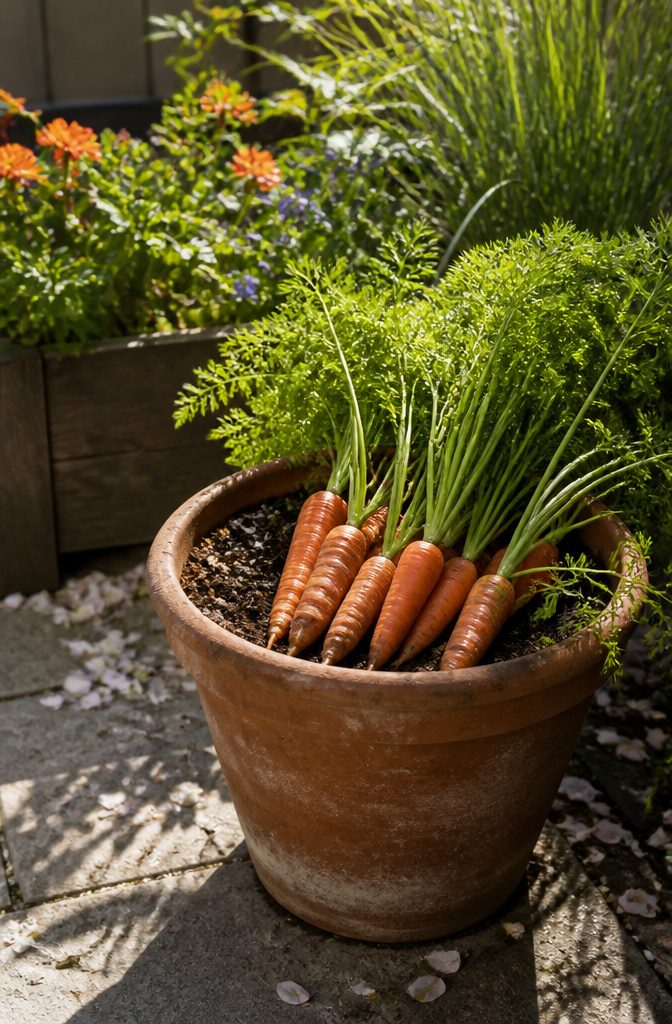
Carrots were the crop that taught me why root vegetables in containers live or die by depth. The minimum container for carrots runs 10 inches of soil, and that figure matters because anything less bends the root.
Shorter carrot varieties still need depth; 8-inch planters leave them stunted and forked. The carrots came out forked and stunted, more like pale thumbs than anything worth peeling, while the same seed in a 12-inch pot produced straight, usable roots.
Loose soil matters as much as depth.
Heavy or compacted mix forces the taproot to split or stop early. I now work in coarse sand and sifted compost to keep the growing medium light, especially for the top few inches where the carrot first pushes through.
Shorter carrot varieties exist, but the 10-inch floor still holds. A container that hits 12 inches gives better insurance and handles the longer cultivars that top out near a foot.
The self-watering pots on casters I have seen in garden catalogs would handle this depth well, though I have not bought one myself.

Deep planting space promotes root growth to keep plants healthy

DURABLE & LIGHTWEIGHT: Designed for versatile use, these plastic planters for indoor plants are perfect for cultivating flowers, herbs, and vegetables. Their lightweight design makes them easy to move and handle, whether indoors or outdoors.
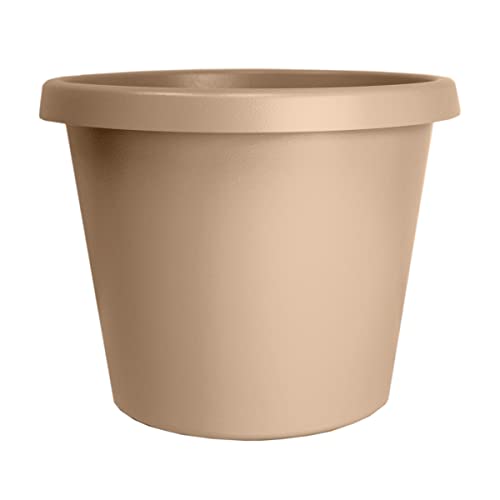
DURABLE & LIGHTWEIGHT: Built with UV-resistant polypropylene, these durable and lightweight 12"D x 12"W x 9.53"H plastic flower pots resist fading, cracking, and wear, making them a reliable option for long-term use.
Radishes
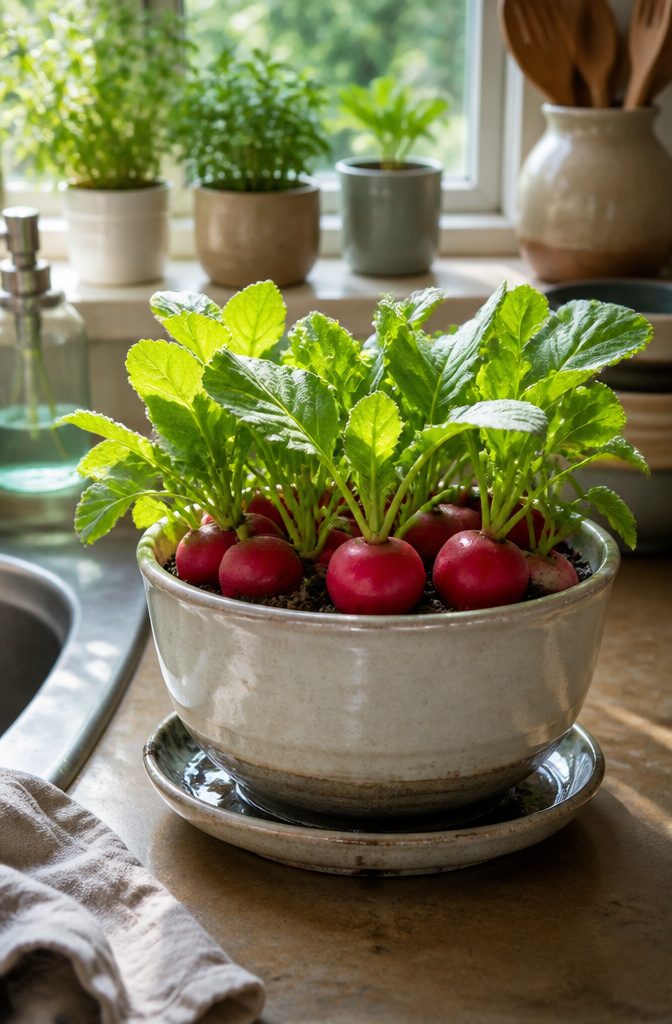
Round radishes like Cherry Belle need only 4 inches of soil, which makes them the shallowest vegetable in most container gardens and the fastest to harvest.
Seed to first pull takes about four weeks in cool weather, and that timeline holds even in a repurposed food storage container with holes melted through the bottom for drainage.
I keep a pot of them on the kitchen counter now, set on a plate to catch drips after watering.
The container came from the dollar store, maybe six inches wide, and I succession-plant every two weeks so the crop does not run out all at once.
Longer radish varieties exist, but the round ones stay compact enough that root depth, not container width, becomes the limiting factor.

DEEP ROOT SYSTEM FOR SOIL AERATION & COMPACTION RELIEF: Our Daikon radish seeds for planting outdoors develop a deep taproot that breaks up compacted soil, improves water infiltration, and promotes soil aeration. This makes them ideal for use in gardens, food plots, and soil improvement projects like growing watermelon radish seeds.

🌳 PROFESSIONALLY MIXED IN THE USA - Each bag is hand blended on our small family farm with premium horticultural grade ingredients: Coco Coir, Canadian Peat Moss, Perlite, Worm Castings- 4 QUART BAG

Provides excellent forage for both livestock and wildlife plots.
Lettuce
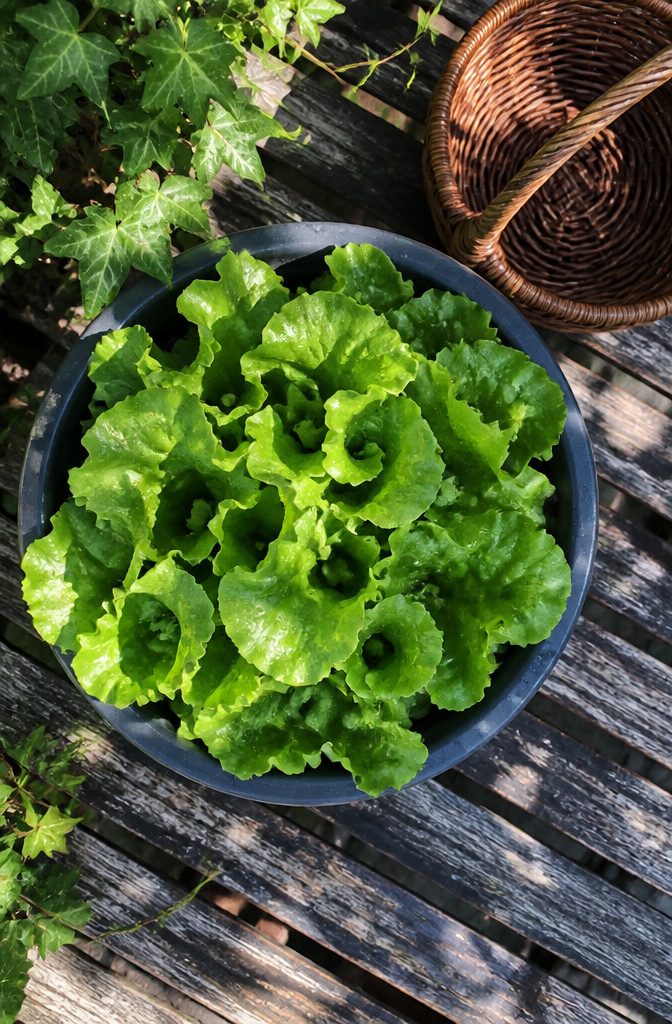
Lettuce was the first vegetable that ever turned out right for me in a pot, mostly because it asks for so little.
Six inches of soil depth is enough; the roots stay shallow and the plant spends its energy pushing up leaves instead of drilling down.
I started with a simple plastic planter on a front patio that got morning sun and afternoon shade, which is exactly the window lettuce prefers once temperatures climb.
Cut-and-come-again harvesting stretches one sowing into months of pickings. Snipping outer leaves with scissors, rather than pulling the whole head, keeps the plant producing for weeks.
I took a basket out every few mornings through April and May, washed the leaves, and let them crisp in the refrigerator for lunch.
When the first batch slowed down in June, the bolt had started, so I trimmed the flower stalk and moved the pot deeper into shade to buy a little more time.
Succession planting is what stretches a single container into a season-long salad bowl. Planting a fresh round every two weeks means you are never waiting on a spent plant to recover.
By August I was already starting winter lettuce, tucking small plants into the same pots where summer varieties had finished, and protecting them with a cloche when frost threatened.

Terracotta Shallow Pot with holes and saucers, suitable for both indoor plants and outdoor container gardening, terra cotta shallow containers are especially beneficial for cacti, succulents, and other plants that thrive in drier soil.

★【TERRACOTTA】 Yishang terracotta pots made of Top-Quality clay and baked at 1796°F high temperature, each Terracotta Pots features great durability and crack resistance. All packages have passed the 3-foot drop test to ensure the pots stay intact during delivery.
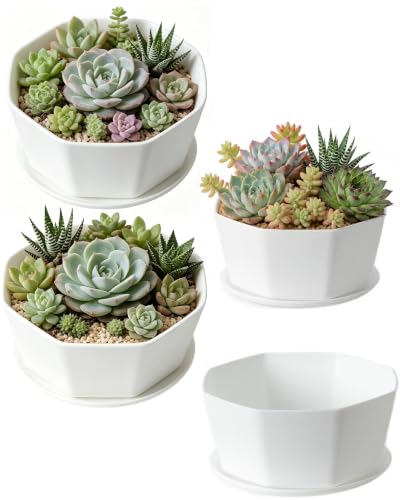
Size & Dimension: 5.9" Upper Diameter, 4.7" Lower diameter, 2.6" Height. Perfect for smaller bonsais or bigger succulents
Spinach
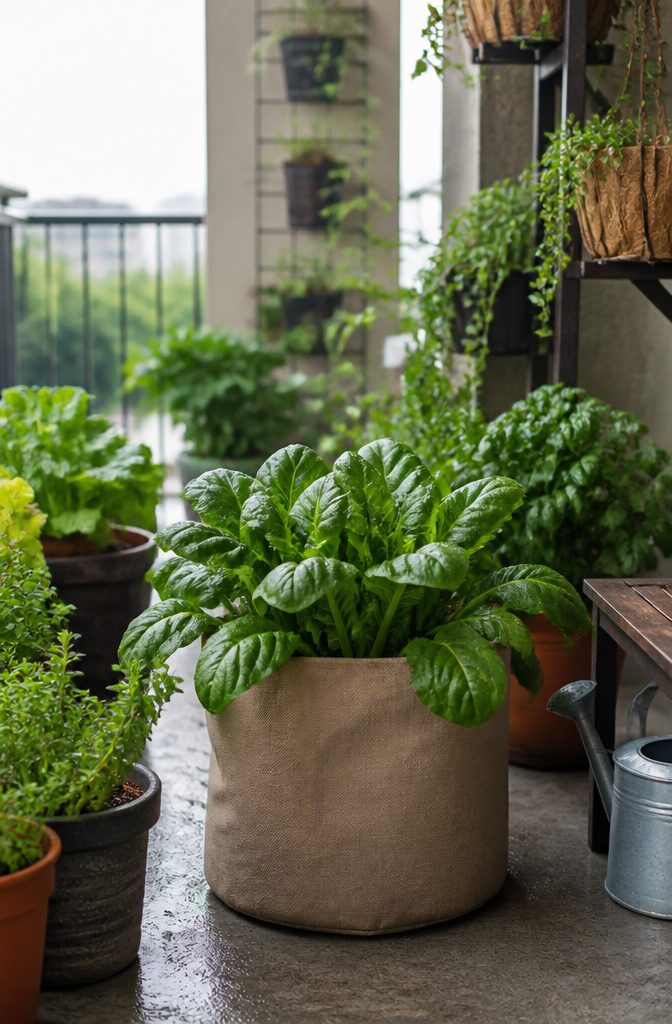
Spinach asks for so little space that a leftover yogurt tub with holes punched in the bottom will get you started, though a proper pot looks nicer on the balcony.
Six inches of soil is plenty because the taproot runs shallow and the leaves want to spread wide, not deep.
The real bargain is its shade tolerance. Morning sun and afternoon shadow under a neighboring tomato plant, and spinach keeps producing while the lettuce underneath it has already turned bitter.
Heat is where the contract breaks. Once daytime temperatures settle into the low 80s, spinach bolts to seed almost overnight, the leaves turning tough and pointed as the stem shoots upward.
By June my containers are useless for salad, the plants racing to reproduce before summer kills them entirely.
Spinach bolts once days lengthen; sow in late summer or early spring and ignore the variety name.
Sow again in late August or early September when the soil has cooled, and spinach rewards patience with a second harvest that often runs until Thanksgiving in a mild year.
The fall crop tastes sweeter anyway, the cold concentrating sugars that June heat burned away.

18 Diameter Coverage to support 2 large plants

SELF WATERING POTS FOR INDOOR PLANTS: Each rectangular planter box features a large lower water reservoir and absorbent cotton wick system that gradually delivers moisture to the soil. Depending on the plant type, soil and growing conditions, the self watering system can help keep plants hydrated for approximately 7–15 days while reducing frequent watering

【Self-Watering Planter】Features a built-in absorbent cotton core system that automatically draws water from the removable bottom tray. The transparent water level window with graduated markings allows you to monitor moisture levels at a glance, preventing overwatering or dehydration. Whether traveling for leisure or business, you needn't worry about your plants wilting.
Kale
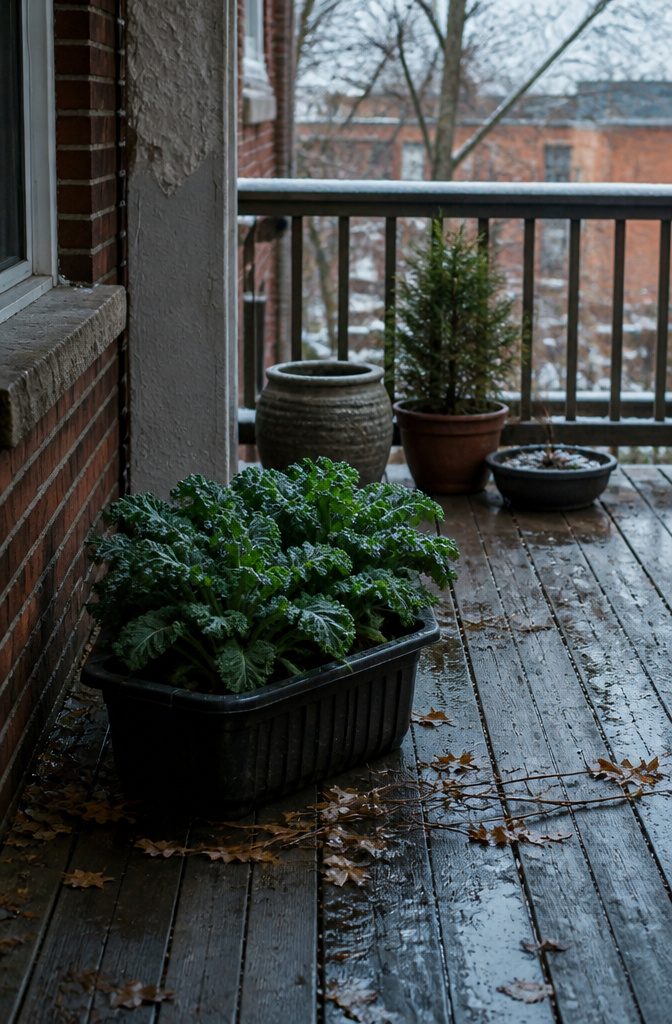
Kale is the vegetable that keeps my containers alive when everything else has given up.
An 8-inch pot is deep enough, even for the full-sized varieties, though the dwarf kinds handle that shallow depth with less fuss. I learned the hard way that drainage matters more than volume with this plant.
A cache pot with no holes traps water; kale roots rot fast in a rainy November. The leaves turned to slime.
Now I keep mine in standard nursery trays on the balcony, where water runs straight through. Growth slows once nights drop below freezing, but the leaves do not die.
I have brushed snow off mine in January and still harvested for soup. Kale wants cold and neglect; water only when the soil is dry several inches down.
Kale that is covered or moved to a greenhouse keeps growing, and that soft new growth is what frost will actually kill. Left alone, the plant toughens.
By March the same plants look ragged but they are already pushing out sweet new leaves before I have started seeds for anything else.

INDOOR GROWING: Growing indoors is easy under the right conditions; Miracle-Gro Houseplant Potting Mix is an indoor plant potting soil that combines key elements container plants need to thrive

ALL-NATURAL MIX: Burpee Organic Premium Potting Mix is formulated with plant food & coconut coir to promote seed & root growth and healthy flower, vegetable & herb plants. OMRI Listed for organic use.
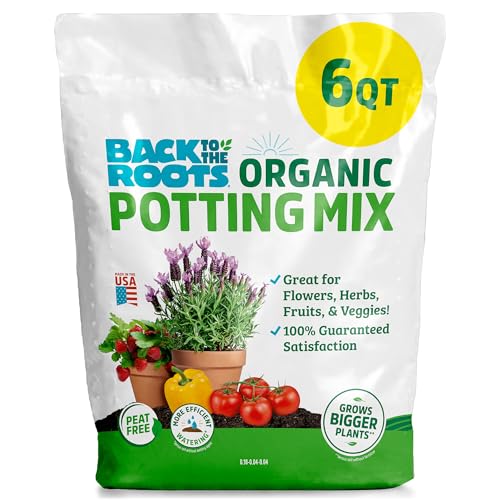
Includes 6qt of Back to the Roots Premium Blend Potting Mix. 100% Organic and Peat-Free, made from upcycled plant matter and wood fines from across the U.S. No imported peat, just better soil with a lighter carbon footprint.
Swiss Chard
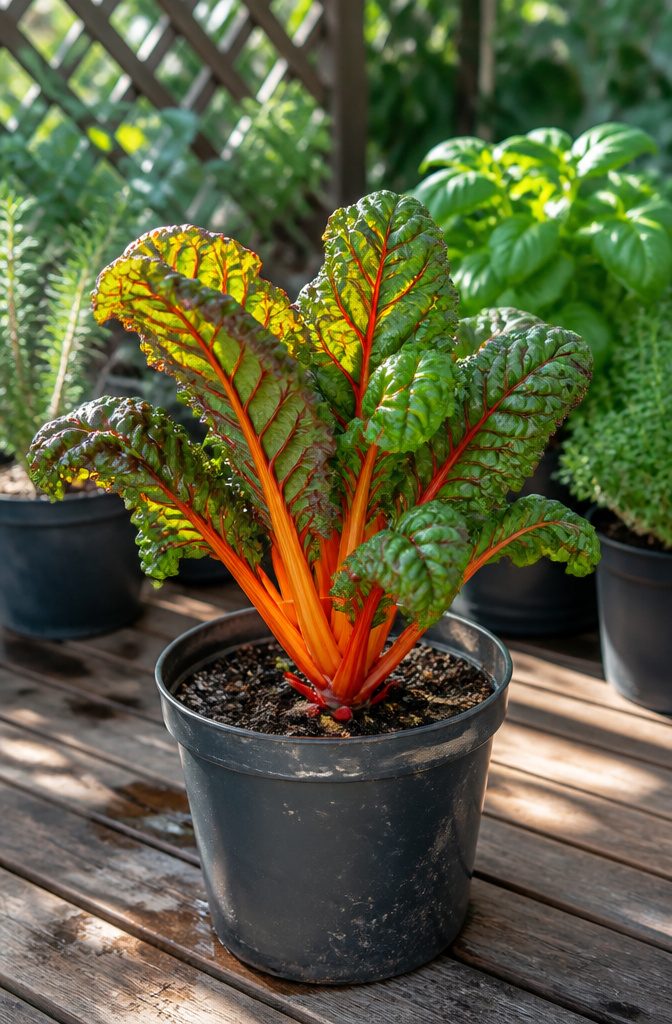
An 8-inch pot is all the depth Swiss chard needs, which puts it in the same shallow-container league as spinach but with one critical difference: chard keeps producing through summer heat that sends spinach straight to seed.
I learned this the hard way after watching a spring spinach patch bolt before Memorial Day, while the chard I’d tucked into a matching container on the same railing kept throwing new leaves until October.
The stalks are half the reason I grow it. Bright Lights mixes give you neon red and sunset orange stems; Fordhook Giant stays white and grows thicker.
Both fit in that same 8-inch profile, though the dwarf habit of container chard means you harvest outer leaves and let the center keep pushing rather than cutting the whole plant at once.
One chard plant, picked steadily, fed me for three months last year. That is the math that matters on a balcony: one pot, one plant, repeated meals.
The semi-frost tolerance helps too. A light cover on cold nights in early spring or late fall stretches the season on either end, but the plant does not need coddling the way true cold-weather crops sometimes do.

Deep planting space promotes root growth to keep plants healthy

Lyincat 4 Pack 10 Gallon Potato Grow Bags with Flap and Handles, Heavy Duty Fabric Pots for Planting Potato,Carrots,Taro

【Amazing Design】The plastic planter pots design with water ripple appearance, complemented by a variety of vibrant color options, it is both artistic and perfectly matches any living room, bedroom, or outdoor decor, making plants appear closer to nature (Note: Plants Not Included)
Beets
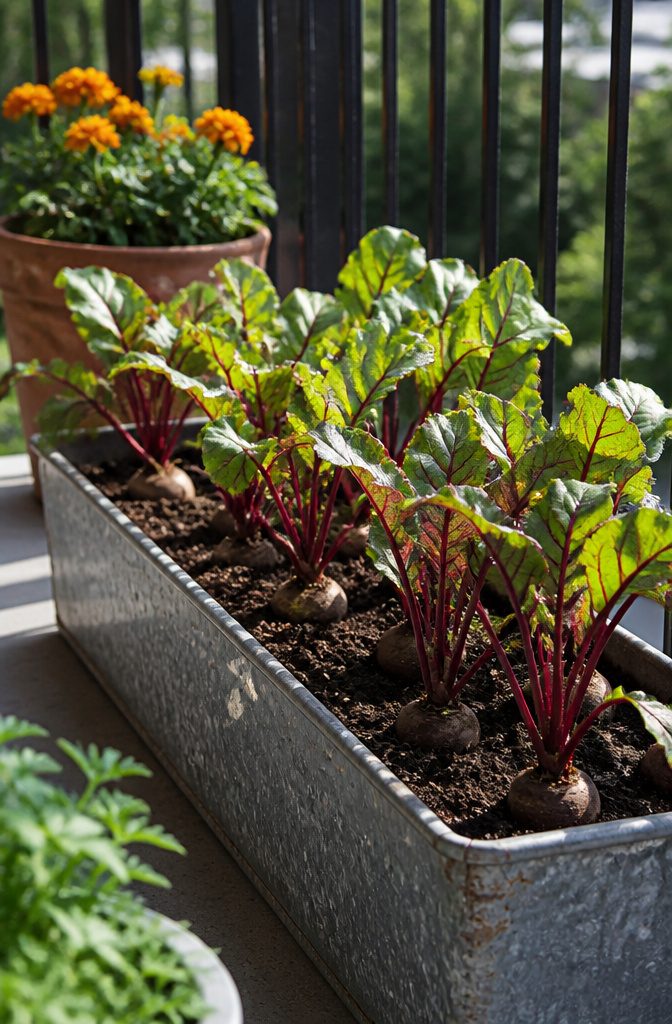
Beets give you two harvests from one planting if you play it right.
The greens come up first, tender enough for a quick sauté while the root below is still swelling. Pull too late and the leaves turn leathery; pull too early and you leave the second harvest on the table.
An 8-inch soil depth is the workable minimum, though plenty of guides will tell you to double that for every vegetable under the sun.
My beets hit golf-ball size and stall there, not because the variety is wrong but because the container is too polite.
The shoulders press against the pot wall, the tip curls, and the plant decides that is enough root for this life. A trough with real length helps more than extra depth; the beet wants to travel outward, not just down.
Variety matters more than I expected. The standard round types bump that wall fastest.
Longer, cylindrical kinds run straighter and seem less bothered by the confinement, though they still need thinning early. Crowded seedlings compete for the little space they have, and no amount of later watering fixes the stunted shape that results.

Premium Annual Daikon Radish Seed Plant premium Annual Daikon Radish seed from CZ Grain for cover crops, food plots, gardens, and soil-building projects. A cool-season annual valued for its vigorous growth and versatility.

Fully rooted live plant: 1 fully rooted Horseradish plant approximately 3-6 inches tall, established in a pot for easy transplanting.

Root health excellence: plastic nursery pots utilize a unique technology to avoid root circling and support healthier plant growth in flower plant pots for both home and garden,pots for flowers,planter flower pots
Onions
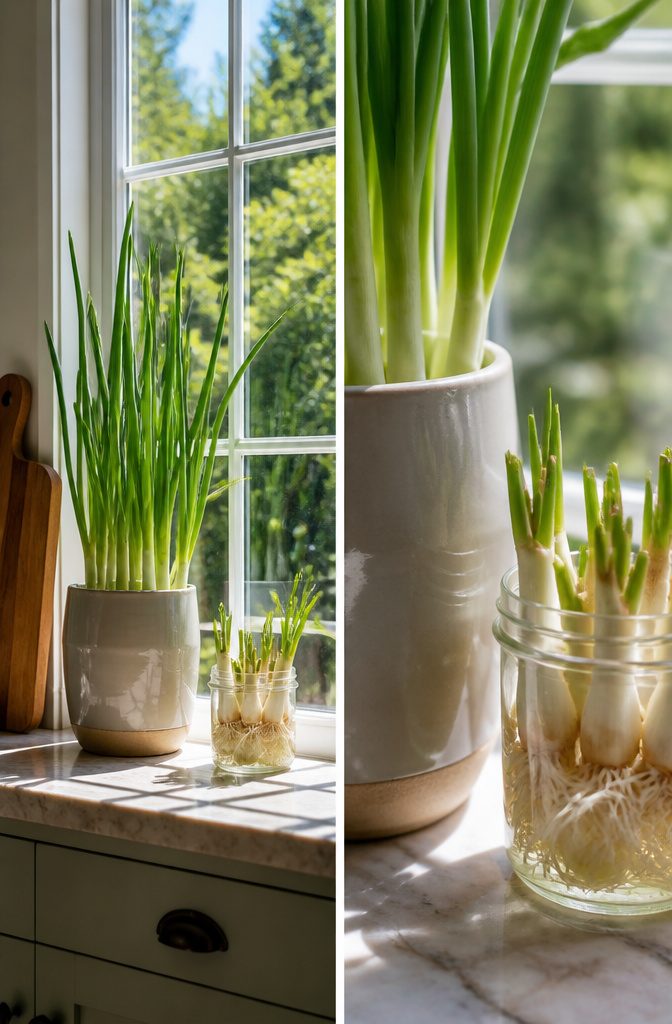
Green onions ask for 4 inches of soil minimum, while a bulb onion needs 6 inches or more to form anything worth digging.
I tried full-size onions in a 5-gallon bucket once, and the bulbs stayed golf-ball sized; the plant had run out of room weeks before it was ready to finish.
Shallow containers suit scallions better anyway, since you’re harvesting the green stalk long before a bulb develops.
The grocery-store trick works with the rooted ends you’d otherwise toss.
Cut most of the green off for cooking, leaving an inch or two above the root plate, and stand those stubs in a jar with just enough water to cover the base.
In a few days new green shoots push up. Transplant them into that 4 inches of soil once the roots look busy, or keep refreshing the water and harvest the tops two or three times before the flavor weakens.
It is not a perpetual machine; the stored energy in that root base eventually runs dry, usually after a couple of cuts.
Still, a windowsill jar to a patio pot is a zero-dollar start, and for a renter with a weekend, that is often the whole project.

VALUE-PACKED 6-PIECE SET FOR COHESIVE DISPLAYS: Create a beautifully harmonious botanical arrangement with this premium set of 6 shallow planter pots. Specially for plant enthusiasts, this 6-pack value allows you to group multiple plants together for a stunning visual impact or scatter them across different rooms to achieve a unified, modern green aesthetic throughout your space

Premium Quality Construction – Crafted from durable, high-quality porcelain with a glossy finish, these succulent pots add a refined touch to your indoor garden while keeping your plants healthy.

Sizes and Accessories: The top outer diameter of the succulent pot is 5.6"/ 14.2cm, the waist diameter is 6.1"/ 15.5cm, and the height including tray is 2.6"/ 6.5cm, with a removable ceramic plant saucer and a mesh pad(ONLY CERAMIC PLANTER IS INCLUDED, PLANTS ARE NOT INCLUDED)
Garlic
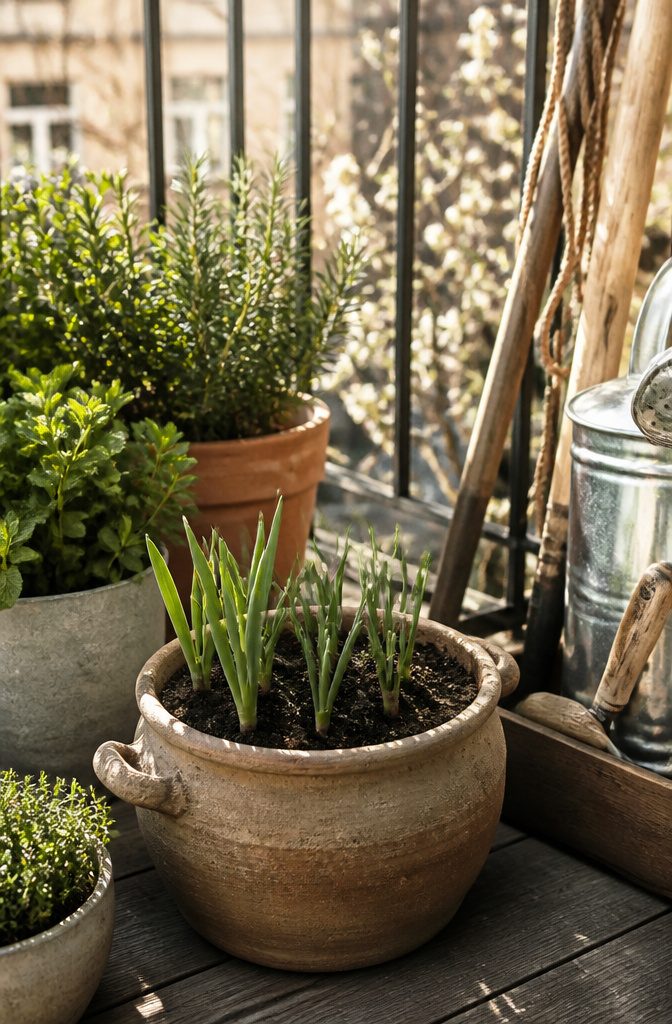
Garlic needs only six inches of soil depth, which makes it one of the most forgiving choices for a container that already sits on your patio.
I learned the hard way that timing matters more than depth. One spring I found leftover cloves in the kitchen and tucked them into a pot in April, figuring green shoots were green shoots.
The tops came up fine, but by July I had nothing below them, just small rounded nodules where full bulbs should have formed. Garlic wants the cold months; it needs that fall start to divide and swell.
A single standard pot, roughly twelve inches across, holds five or six cloves spaced four inches apart without crowding.
I use the same plastic planters I move everything else through, nothing special, and they come inside only if the forecast drops past what my hardiness zone calls normal for winter.
The reward comes the following summer: pull when half the leaves have browned, cure for two weeks in dry shade, and you’ve got bulbs that last until you forget to plant again.

EFFICIENT & INTELLIGENT: LED Grow Lights are a better alternative to sunlight in terms of stability and planting results, even surpassing natural light in terms of stability and planting results. Soil-grown planters with full-spectrum grow lights are often more efficient than traditional planters.

Yarlung 6 pack self watering planters, measure 5''L x 5''W x 4.3''H, white external pot, black internal 4.7''L x 4.7''W x 4''H. Made of durable plastic materials, unbreakable, it will not leak water on your tables, floors or indoor garden. Square lovely plant pots are perfect for holding and displaying orchid, herb, succulent, cactus, aloe and flowers, decorate your living space
Tomatoes
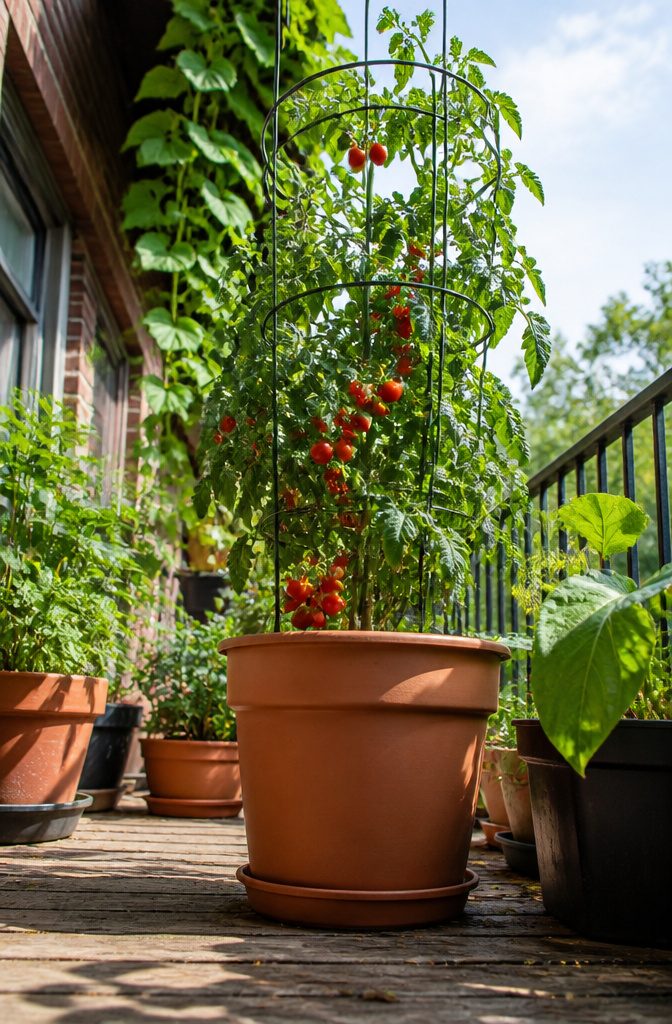
Tomatoes need a minimum soil depth of 12 inches, a lesson I learned the hard way after my first year with a 10-inch pot.
The roots ran out of room, the plant dried out twice as fast as my neighbor’s, and the fruit stayed small all season.
The 12-inch rule comes with a second decision: determinate versus indeterminate. Determinate varieties grow to a fixed size, set fruit in one batch, and stop.
Indeterminate ones keep climbing and producing until frost kills them. For containers, determinate is the practical choice unless you want a tomato vine overtaking your balcony railing and a support structure taller than you are.
Support matters either way. Even a patio-sized determinate plant will slump under the weight of ripening fruit and snap stems against the container rim.
A basic cage or a stake driven in at planting time costs maybe ten dollars and saves the harvest. Wait until the plant is knee-high and you are wrestling thorns through a cage that no longer fits over the top.

NATURAL AND ORGANIC NUTRIENT RICH FERTILIZER: We’re on a mission to get America growing again and it all starts with what’s right beneath us — your soil; Grow a bountiful garden in your home with the Back to the Roots All-Purpose Peat-Free Potting Mix, packed with the nutrients needed for your plants, flowers, and vegetables to thrive

Miracle-Gro Indoor Potting Mix for Seed Starting grows stronger roots for seeding success (vs unfed when used as directed)

FEEDS UP TO 6 MONTHS: Miracle-Gro Potting Mix is a gardening soil for outdoor containers that feeds all types of potted plants, including flowers, vegetables, shrubs, annuals, and perennials for up to 6 months
Peppers
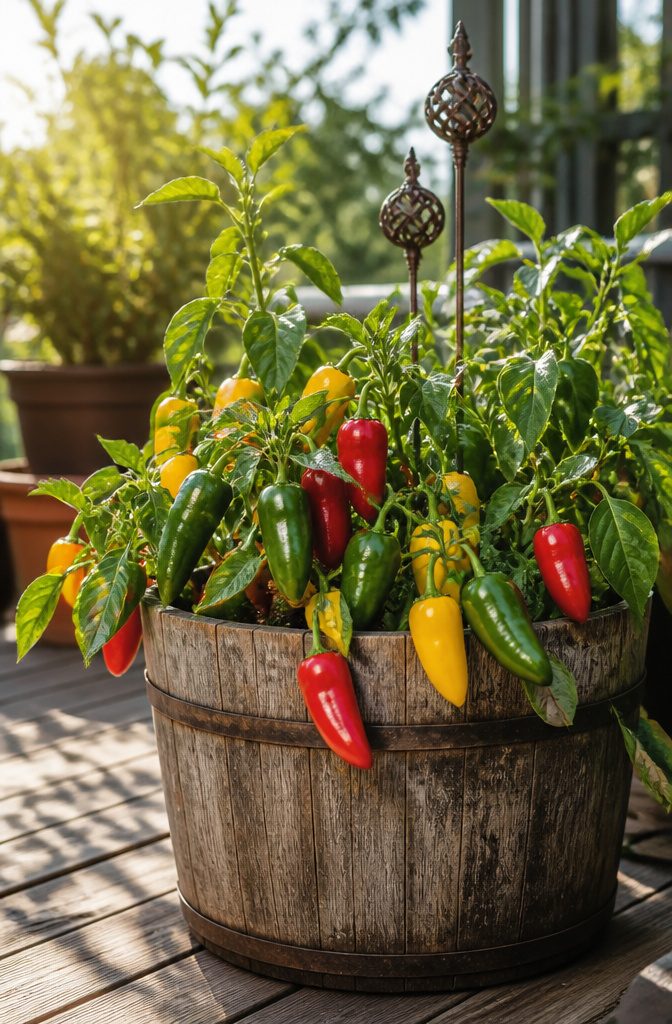
Peppers need 12 inches of soil depth to root properly, which puts them at the shallow end of what most vegetables want. Sweet peppers and chili peppers need different treatment; sweet ones want steady warmth, chilies tolerate more cold and drought.
Heat is the real gatekeeper. Peppers want the warmest spot you have, and partial shade costs you fruit.
I learned this with two plants in identical 12-inch pots on the same fire escape: the jalapeño that caught six hours of direct sun produced all summer, while the bell pepper tucked behind it, in maybe four hours, set half a dozen fruits and sulked.
Same depth, same soil, same watering schedule. The difference was light and temperature, not container size.
Bells also want more room above ground; their canopies spread wider and block their own lower leaves if crowded.
A 12-inch pot holds one bell comfortably, or two jalapeños if you push it. For renters with limited railing space, that efficiency matters.
I would not bother with bells in anything smaller than 12 inches, and I would not place them anywhere that loses afternoon sun to a neighboring building. The jalapeños, though, handled the boundary fine.
Cucumbers
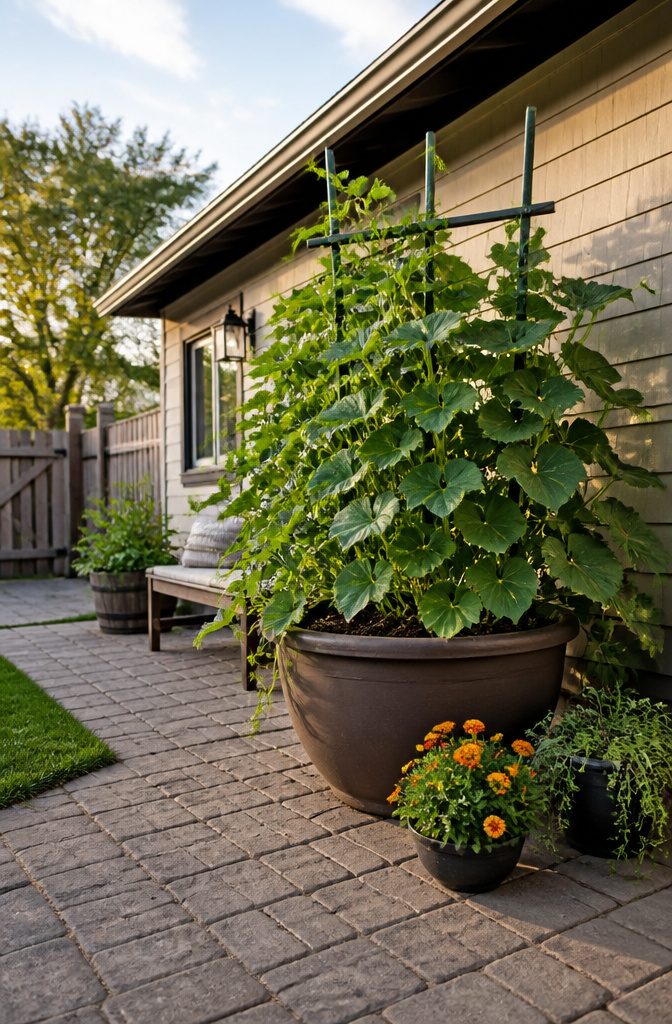
Cucumbers fall into two camps for container growing, and the choice matters more than most seed packets let on.
Bush varieties stay compact enough for a single pot, while vining types need a trellis jammed into the same container if you do not want stems flopping over the railing and snapping under their own fruit.
Either way, 12 inches of soil depth is the floor; anything less and the roots hit bottom before the plant hits its stride.
My balcony taught me the rest. Two summers back I crowded three pots against the wall to save space, and the leaves stayed wet for hours after every morning watering.
Powdery mildew moved in by late July, a gray film that started on the oldest leaves and worked upward until I was picking cucumbers off half-dead vines by August.
Air circulation is not a footnote on the seed packet; it is the difference between picking into September and pulling a plant that smells like damp basement.
Now I leave a full pot’s width between containers and prune the lowest leaves once fruit starts setting, which costs me maybe ten minutes a week and buys me six more weeks of harvest.
Squash
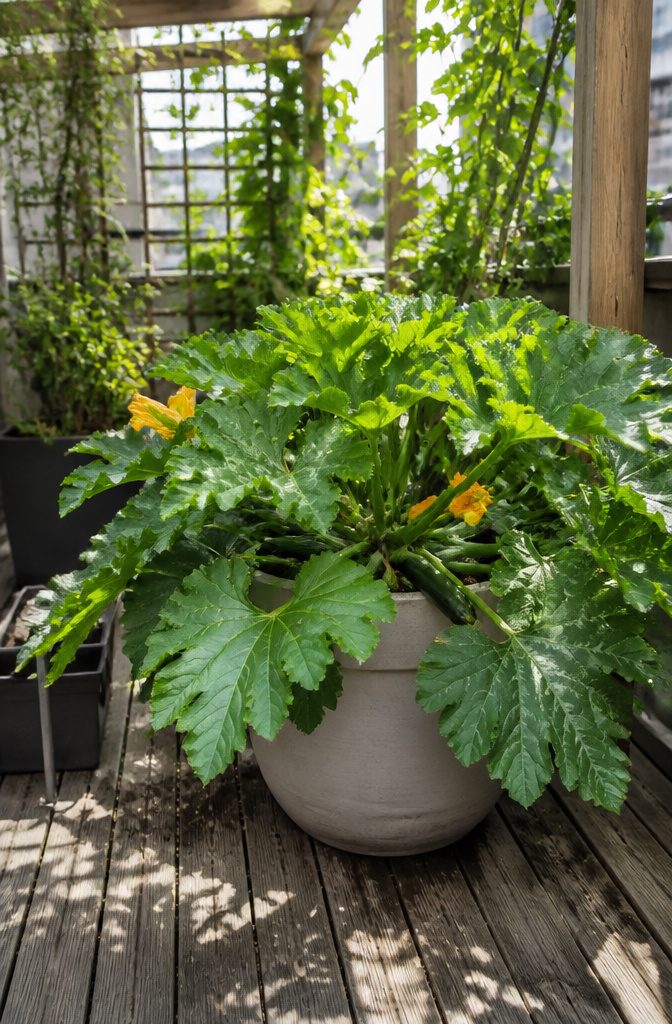
Bush squash varieties stay small enough for pots, though they still spread wider than most container crops. The real issue is depth: the roots want at least 12 inches of soil, and skimping there stunts the plant before it sets fruit.
I learned that with a patty-pan in a 10-inch pot that never produced more than two golf-ball-sized squash all summer.
Summer squash is where I stopped.
The plants are thirsty and greedy, and a single zucchini bush in a 15-gallon container still looked stressed compared to its in-ground neighbors. The yield never justified the water bill or the floor space it hogged on my balcony.
Pollination is the quieter problem. Squash needs male and female flowers open at the same time, and in a small space you might have only one plant with sporadic blooms.
No bee traffic means hand-pollinating with a small brush, which works fine but adds a daily check to a crop that already demands too much for what it gives back.
Beans
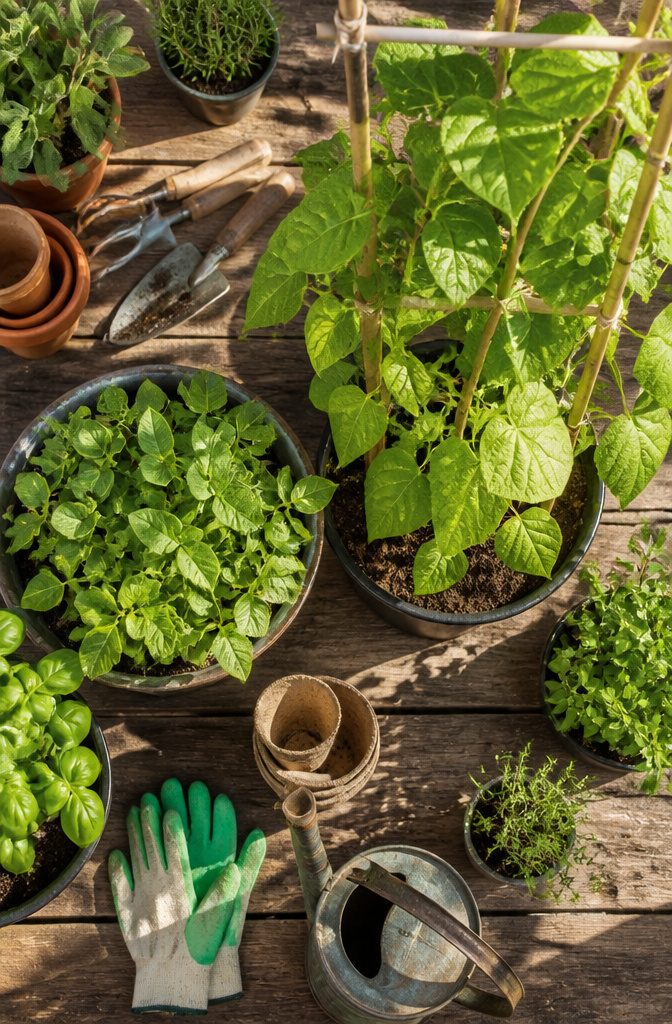
Bush beans and pole beans split the container decision right down the middle, and the yield gap is wider than the space they take. Bush varieties need only 8 inches of soil depth, sit low, and finish in about 50 days.
Pole beans climb whatever you give them, a tomato cage or twine on a balcony railing works, and keep producing for weeks after the bush plants have quit.
In my two-pot test one summer, the pole beans outproduced the bush by roughly three to one, though I spent more time untangling the vines from the neighbor’s side of the railing.
Succession planting is where beans really pay off in a container setup. A new sowing every two weeks keeps the harvest from hitting all at once and then vanishing.
I start the first round when nighttime temperatures stay above 55°F, drop five or six seeds per 12-inch pot, and have the next batch ready before the first is even flowering.
Two weeks sounds rushed until you realize bush beans finish that fast; without the stagger, you are staring at an empty pot by July and wishing you had planned ahead.
Potatoes
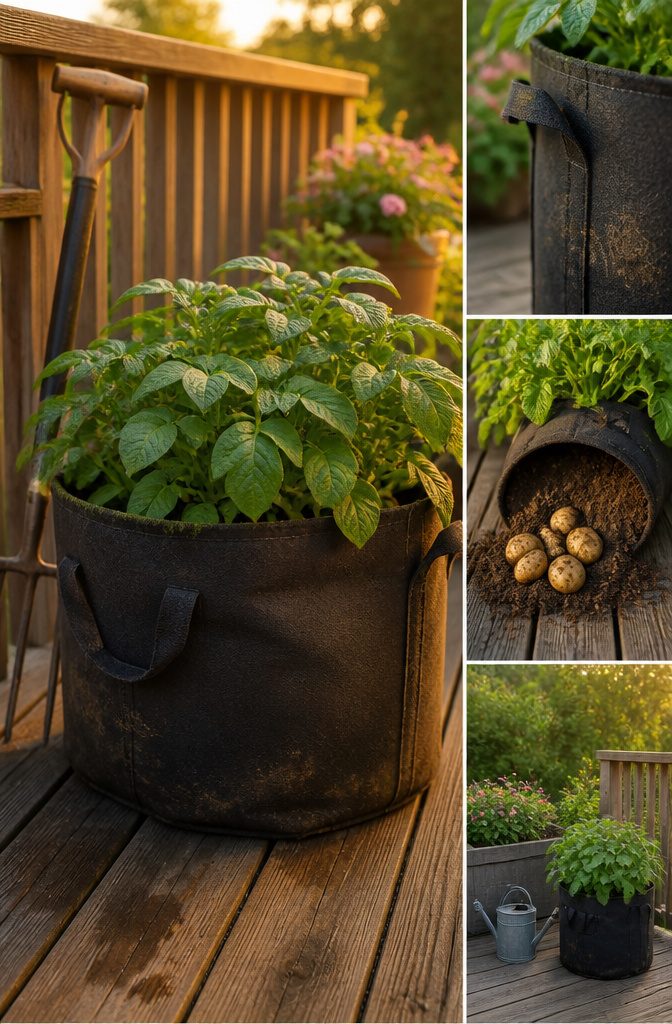
Potatoes in containers start with 12 inches of soil, which is deeper than what shallow-rooted vegetables need. I hill them as they grow, adding layers of soil or compost around the stems so the tubers stay covered and keep producing.
The 12-week harvest timeline from planting to first new potatoes runs tight enough that I mark it on a calendar; missing it by even a few days means rubbery spuds or ones that have already started breaking dormancy.
Grow bags beat rigid pots for this crop, at least in my experience. The fabric sides let me roll them down at planting time, then unroll and fill as the haulms get taller, which makes hilling almost automatic.
When harvest comes, I dump the whole bag onto a tarp rather than digging and risking a sliced potato with a trowel.
The layered soil method works the same in either container, but the bag’s flexibility means I do not need to repot or wrestle with a heavy ceramic planter at the end of the season.
Sweet Potatoes
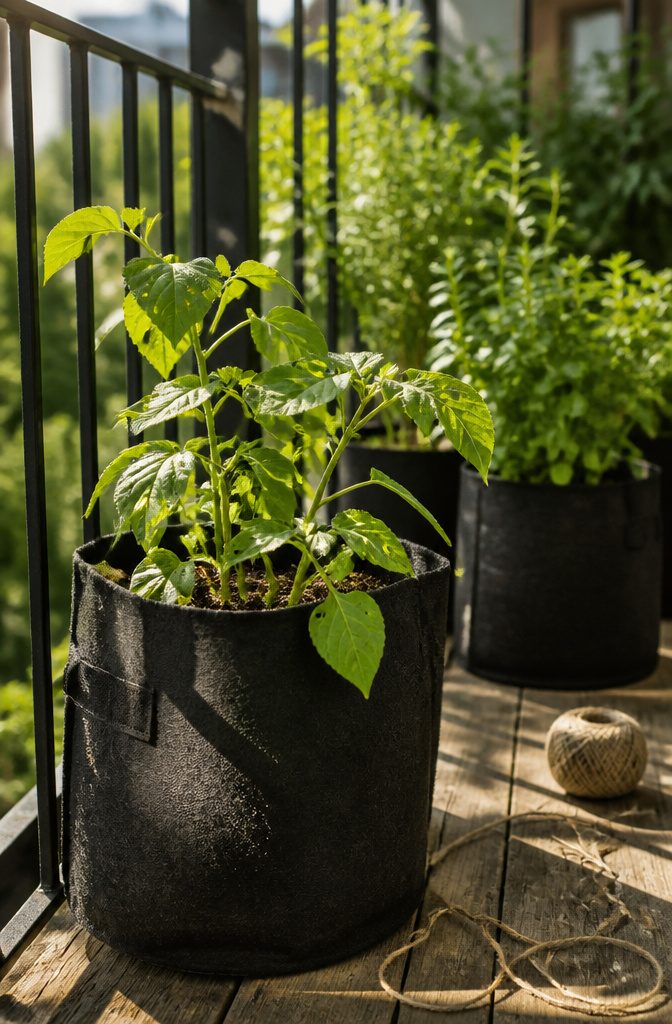
Sweet potatoes need 12 inches of depth minimum, and the container type matters more than I expected. My first try sat a grocery-store tuber in a standard pot with about that much soil.
The vines looked healthy for months, then lifted easily in fall with nothing beneath them. The tuber had twisted against the hard base and stalled.
Fabric grow bags changed that.
The same 12-inch depth in soft-sided material lets the forming potatoes push outward instead of circling. Sources mention the 90 to 120 day timeline, which means planting slips in late spring and staying patient through early frost warnings.
Starting slips from a store-bought sweet potato is straightforward. Half-submerge the tuber in water, wait for shoots to reach 6 inches, then twist them off and root them in their own jars.
I have done this on a kitchen windowsill in March. The slips look fragile but harden quickly once they hit soil.
The grow bags also warm faster in spring and drain better after heavy rain, two conditions sweet potatoes prefer.
A hard pot holds cold water; the bag lets excess run through. That difference, not the depth alone, is what turned my second attempt into actual harvest.
Microgreens
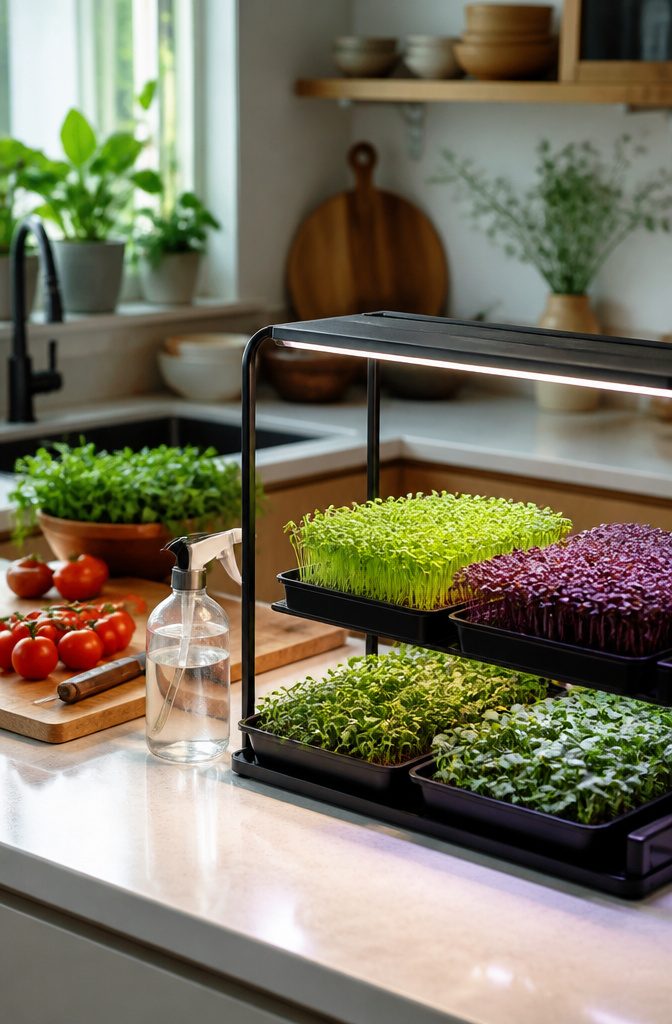
Microgreens are the closest thing to instant gratification in container gardening. These young vegetable greens grow only 1–3 inches tall and harvest in 7 to 14 days, which means a south-facing windowsill becomes a year-round salad bar without stepping outside.
The setup is minimal. A shallow container holding just 2 inches of soil works fine; I use the same disposable trays mushrooms come in, punched with a few drainage holes and nested inside a slightly larger solid tray to catch water.
Evenly scattered seeds on potting compost or coconut coir need only gentle, regular watering. Microgreens rot at the stem if water pools; mist just until the pad is damp, not soaked.
My first attempt went under a south-facing kitchen window and produced decent results from October through March, though the growth leaned hard toward the glass and the far side of each tray stayed pale.
A basic LED grow light fixed that. The window still works for most of the year, but during the short-day months the light pays for itself in even harvests.
Either way, the shallow trays take up less counter space than a coffee maker and ask for maybe two minutes of attention a day.
Herbs
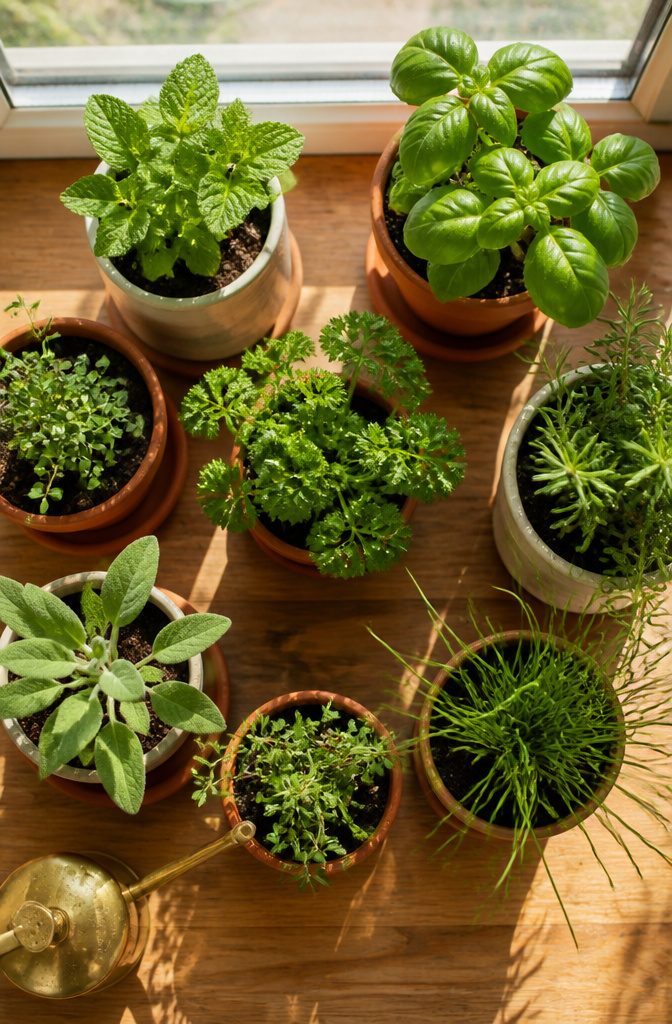
Herbs are where most container gardeners start, and they are where I still start every spring.
Mint, thyme, and basil will all grow in pots as shallow as 4 inches, which matters when you are working with a windowsill or a railing planter that cannot hold much weight.
The four-inch depth is the minimum; anything less and the roots dry out before noon on a hot day.
Mint is the exception that needs its own pot, and it needs it because of what happens underground. The roots run sideways and keep running, crowding out anything else in the container.
I learned this the hard way with a mixed herb pot that became a mint pot by July. Now I give mint a solo container and let it colonize the space it wants.
Thyme is a perennial, so a pot that survives winter can carry it into a second or third year. Basil is an annual; it grows fast, bolts when the weather turns, and then it is done.
My windowsill runs on a rotation: I start a new basil pot every three to four weeks through the season, so there is always a young plant ready before the current one goes to seed.
The old pot gets pulled, the soil gets refreshed, and the cycle starts again.
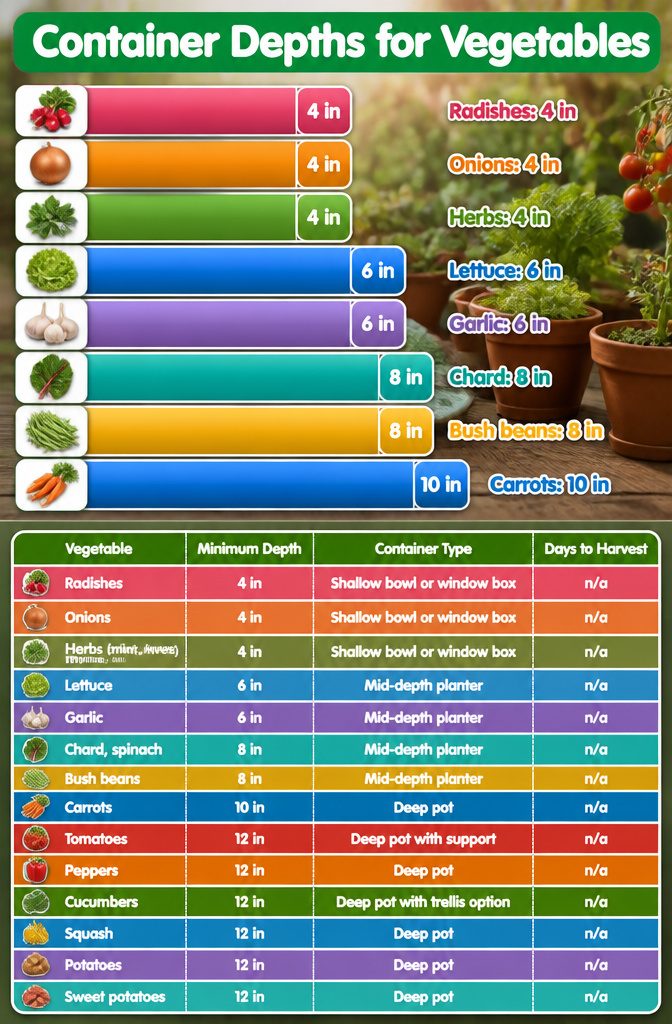
Container Depths at a Glance
The first year I tried container gardening, I planted tomatoes in 6 inches of potting mix because the nursery pot looked deep enough. The plants survived, but the fruit came in small and late.
12 inches of soil is the floor for tomatoes, peppers, cucumbers, squash, potatoes, and sweet potatoes; anything less and the roots hit the bottom before the plant has resources to produce.
Carrots need 10 inches; anything shorter forks the root or stops it short.
Bush beans, chard, and spinach get by on 8. Lettuce and garlic handle 6, while radishes, onions, and most herbs ask for only 4.
| Vegetable | Minimum Depth | Container Type | Days to Harvest |
|---|---|---|---|
| Radishes | 4 in | Shallow bowl or window box | n/a |
| Onions | 4 in | Shallow bowl or window box | n/a |
| Herbs (mint, thyme, chives) | 4 in | Shallow bowl or window box | n/a |
| Lettuce | 6 in | Mid-depth planter | n/a |
| Garlic | 6 in | Mid-depth planter | n/a |
| Chard, spinach | 8 in | Mid-depth planter | n/a |
| Bush beans | 8 in | Mid-depth planter | n/a |
| Carrots | 10 in | Deep pot | n/a |
| Tomatoes | 12 in | Deep pot with support | n/a |
| Peppers | 12 in | Deep pot | n/a |
| Cucumbers | 12 in | Deep pot with trellis option | n/a |
| Squash | 12 in | Deep pot | n/a |
| Potatoes | 12 in | Deep pot | n/a |
| Sweet potatoes | 12 in | Deep pot | n/a |
I now keep a tape measure by my seed drawer. A pot that looks deep often measures half what I guessed, and the plants do not guess.
Soil Mix and Drainage
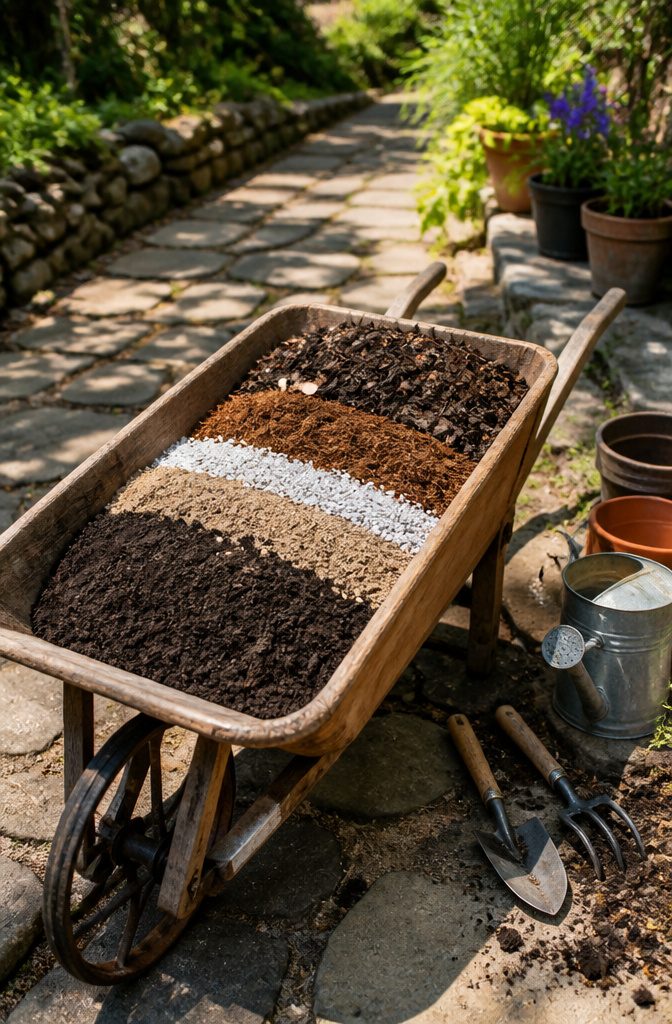
Garden soil from the yard compacts in a pot, squeezing out the air pockets roots need to breathe, and it stays wet at the bottom long after the top looks dry.
That spring I lost half my pepper plants to root rot because I thought I could save money by using what I already had.
The stems turned dark at the base, the leaves yellowed from the bottom up, and by the time I realized the roots were sitting in soggy black muck, the damage was done.
Now I fill containers only with bagged potting mix, which runs about five to eight dollars per cubic foot at the hardware store, and I do the drainage test before I commit a single plant: pour water into the empty pot and watch whether it streams out the bottom within seconds or pools and drips.
If it drips, I add more holes or I find a different container. Clay and wood breathe better than plastic, but any material works if the exit path is clear.
Frequently Asked Questions
What vegetables can I grow in containers?
You can grow tomatoes, peppers, carrots, lettuce, spinach, kale, Swiss chard, beets, onions, garlic, cucumbers, squash, beans, potatoes, sweet potatoes, microgreens, and herbs in containers.
Root vegetables like carrots need at least 10 inches of soil depth, while shallow crops like radishes and green onions thrive in 4 to 6 inches.
How deep should my container be for vegetables?
Depth varies by vegetable. Tomatoes, peppers, cucumbers, squash, potatoes, and sweet potatoes need 12 inches minimum.
Carrots need 10 inches or they fork and stunt. Bush beans, chard, and spinach manage on 8 inches.
Lettuce, garlic, and beets handle 6 inches. Radishes and green onions need only 4 inches.
Can I grow vegetables indoors in containers?
Yes, microgreens and herbs grow well indoors year-round. Microgreens need just 2 inches of soil and harvest in 7 to 14 days on a south-facing windowsill.
Herbs like basil, thyme, and mint grow in pots as shallow as 4 inches, though mint needs its own container since its roots crowd out other plants.
What are the best vegetables to plant in a planter?
Radishes, lettuce, and herbs are the easiest starting points for planters. Radishes harvest in about four weeks and need only 4 inches of soil.
Lettuce asks for 6 inches and keeps producing if you snip outer leaves rather than pulling the whole head. Herbs fit shallow planters and give repeated harvests with minimal space.
What is the lowest maintenance vegetable to grow?
Kale is the hardiest option for minimal effort. An 8-inch pot is deep enough, and the plant survives frost and snow without protection.
Growth slows in freezing weather but the leaves stay harvestable through winter; by March the same ragged plants push sweet new growth before other crops have started.
What are the best vegetables to grow in buckets?
Tomatoes, potatoes, and bush beans work well in buckets. Tomatoes need 12 inches of soil depth and a determinate variety to stay manageable.
Potatoes start at 12 inches and get hilled higher as they grow; fabric grow bags work better than rigid buckets since you can dump them for harvest. Bush beans need only 8 inches of soil and finish in about 50 days.